Creating a High-Quality Zipline Attraction in the Philippines
Zipline attractions have become an appealing feature for resorts, adventure parks, eco-tourism destinations, and recreational facilities across the Philippines. They provide visitors with an opportunity to experience height, speed, nature, and outdoor adventure in a controlled environment. However, developing a zipline attraction requires considerably more planning than simply purchasing cable and riding equipment. Every part of the system must work together, from the supporting structures and anchors to the rider equipment and braking arrangement. This is why choosing an experienced zipline contractor supplier Philippines can be an important step for businesses planning a new installation. A qualified provider can help assess the site, recommend suitable components, coordinate installation, and support maintenance requirements. With the right professional assistance, a zipline project can be planned around safety, functionality, durability, and the needs of its intended users.
Understanding Zipline Contractor and Supply Services
A zipline contractor supplier combines equipment supply with professional project services designed to support the development of a complete zipline system. Rather than supplying isolated components without considering the overall installation, a contractor can evaluate how the equipment, structures, and operating environment need to work together. Services may include consultation, site assessment, system planning, equipment sourcing, installation, testing, and maintenance. The exact scope depends on the provider and the size of the project. For commercial properties, this integrated approach can make project coordination easier and reduce the need to communicate with numerous unrelated suppliers. It can also help ensure that equipment selections are compatible with the proposed configuration. Property owners should always clarify the contractor’s responsibilities and deliverables before beginning a project.
Assessing the Site Before Zipline Installation
A thorough site assessment provides valuable information before a zipline system is designed or installed. The contractor may evaluate the terrain, elevation differences, available space, access routes, potential anchor locations, and surrounding structures. Environmental conditions should also be considered because outdoor installations can be exposed to rainfall, humidity, heat, and strong weather conditions. The proposed rider route needs to be examined to determine appropriate locations for launching, traveling, braking, and landing. Maintenance access should also be considered because technicians need practical ways to inspect and service the equipment. A detailed site assessment can reveal challenges that may otherwise create additional costs or delays during construction. For this reason, property owners should be cautious about providers that propose equipment or layouts without first understanding the actual installation site.
Important Components of a Zipline System
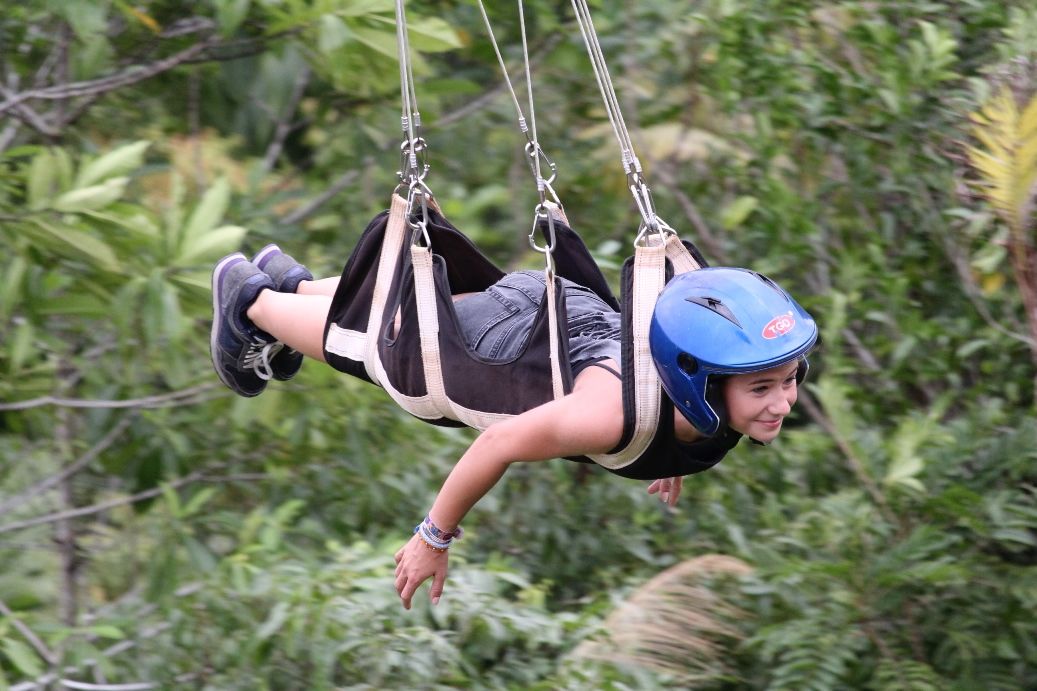
A professional zipline installation consists of multiple components that must function as a coordinated system. The main cable provides the travel path, while a compatible trolley allows the participant to move along the line. Harnesses, connectors, helmets, and other protective equipment are used to help secure riders during the activity. Anchor systems connect the zipline structure to suitable supporting points and require appropriate engineering and installation. Platforms provide areas where participants can prepare for departure or safely exit after completing the ride. Braking equipment is another critical component because the rider needs to reach the landing area at a controlled speed. Each component should be selected according to the system’s design, intended use, expected capacity, environmental conditions, and applicable technical requirements.
Safety-Focused Zipline Design
Safety needs to be incorporated into a zipline project from the earliest planning stages rather than treated as an afterthought. The system should be designed and installed with appropriate attention to structural integrity, anchorage, rider protection, and operational procedures. Personal protective equipment should be suitable for the application and used according to manufacturer guidance. Operators should also receive appropriate training so they understand equipment checks, participant procedures, communication, and emergency response. Regular inspections can help detect wear, corrosion, damage, deformation, or loose components before they become more serious concerns. Emergency procedures should account for situations such as a rider stopping along the line or requiring assistance before reaching the landing area. A qualified zipline contractor supplier Philippines can help clients address these considerations while coordinating the technical aspects of the installation.
Selecting Durable Equipment for the Philippine Environment
Environmental exposure is an important consideration when selecting equipment for an outdoor zipline in the Philippines. Tropical weather can expose equipment to moisture, heat, heavy rainfall, and high humidity for extended periods. Locations near the coast may also present additional corrosion concerns because of salt exposure. Equipment materials and protective finishes should therefore be evaluated according to the actual location and operating environment. The expected number of riders and frequency of operation should also influence equipment selection. A system operating daily at a commercial adventure park may experience significantly different demands from one used occasionally at a private facility. Working with a knowledgeable supplier can help project owners evaluate equipment specifications and maintenance requirements before making purchasing decisions.
Zipline Solutions for Resorts and Adventure Parks
Resorts can use zipline attractions to add an exciting outdoor activity to their existing guest experience. Adventure parks may incorporate several zipline routes or combine ziplines with other recreational activities to create a broader attraction. Eco-tourism facilities may benefit from systems that allow visitors to experience scenic areas while working within the limitations of the existing terrain. Each project can require a different configuration based on land characteristics, expected visitor numbers, available infrastructure, and operational goals. A contractor can help determine whether the proposed site can accommodate the intended system and what supporting structures may be required. Custom planning can also help make better use of available space without compromising operational considerations. The result can be a more purposeful attraction designed around the actual property rather than a generic installation.
Professional Zipline Installation
Installation is a critical stage because the performance of the finished system depends on how its components are assembled and integrated. Before installation starts, the contractor should confirm the approved layout, equipment specifications, structural requirements, and site preparation. Cable installation requires careful attention to the supporting structures, connection points, alignment, and system configuration. Platforms and access systems also need to be securely installed and positioned for practical participant movement. Braking systems, rider connection equipment, and other components should be incorporated according to the system design and applicable requirements. Once installation is completed, appropriate inspection and testing should take place before the attraction is placed into regular service. Proper documentation can provide useful information for future inspections, maintenance, repairs, and equipment replacement.
Maintenance for Reliable Zipline Operations
A zipline requires continuing maintenance after installation because regular use and environmental exposure can gradually affect its components. Operators should establish routine pre-operation checks to identify obvious problems before riders use the system. More comprehensive inspections should be performed according to equipment requirements and appropriate professional guidance. Cables should be monitored for conditions such as visible damage, corrosion, or unusual wear. Trolleys, connectors, harnesses, anchors, platforms, and braking components should also receive appropriate inspection. Maintenance records can help operators identify recurring issues and determine when components may need professional service or replacement. A contractor supplier that provides ongoing technical support can be especially useful for commercial facilities that depend on their zipline attraction for regular visitor activities.
Evaluating a Zipline Contractor Supplier Philippines
Selecting a contractor should involve a careful evaluation of both technical capabilities and service quality. Project owners should examine the provider’s experience with zipline systems and determine whether its capabilities match the complexity of the planned installation. The quality and suitability of the proposed equipment should also be reviewed. Clients can ask for technical documentation, product information, installation procedures, inspection processes, and available support services. It is also important to understand who is responsible for site assessment, engineering coordination, installation, testing, and maintenance. A detailed quotation should clearly identify what is included and what may require additional costs. Choosing a supplier based on experience, technical competence, equipment quality, and long-term support can provide more value than selecting the lowest initial price.
Factors That Influence Zipline Project Costs
The cost of a zipline installation can vary significantly depending on the characteristics of the project. Cable length, elevation, terrain, supporting structures, platforms, access systems, braking arrangements, and equipment specifications can all influence the budget. Installation complexity may increase when the site has difficult terrain or limited access for construction personnel and equipment. Transportation costs can also become an important consideration for remote resorts and tourism destinations. Custom design requirements may add expenses when specialized components or structures are necessary. Long-term expenses should also account for routine maintenance, inspections, replacement components, and operational support. Requesting a detailed project quotation can help property owners understand where their investment is going and compare proposals more effectively.
Questions to Ask a Potential Zipline Contractor
Asking the right questions can help property owners determine whether a contractor is appropriate for their project. Start by asking about the provider’s experience with similar zipline installations and the types of facilities it has supported. Ask whether the company conducts site assessments before recommending equipment or finalizing a design. Request information about the equipment specifications, installation process, testing procedures, and documentation that will be provided. It is also useful to ask how the contractor handles maintenance, repairs, replacement parts, and technical support after installation. Clarify the project timeline and identify factors that could affect completion. These discussions can help establish realistic expectations and reduce confusion once the project moves into the installation stage.
Why Long-Term Contractor Support Matters
A zipline should be viewed as a long-term recreational asset rather than a one-time construction project. Equipment will need to be inspected, maintained, and potentially replaced throughout its operating life. Having access to a knowledgeable contractor can make it easier to address technical questions and maintenance requirements as they arise. A supplier familiar with the original system can also provide useful information about compatible replacement components. Ongoing support may be particularly valuable for commercial facilities where equipment downtime can affect scheduled activities and customer satisfaction. Regular professional attention can help operators maintain organized records and identify issues before they develop into larger operational problems. Establishing a relationship with a dependable zipline contractor supplier Philippines can therefore support the attraction beyond its initial installation.
FAQ About Zipline Contractor Supplier Philippines
What is a zipline contractor supplier?
A zipline contractor supplier is a provider that can support both the supply and installation aspects of a zipline project. Depending on the company, services may include site assessment, planning, equipment supply, installation, testing, inspection, and maintenance. This approach can help clients coordinate several project requirements through one provider. The scope of services should be confirmed before an agreement is signed. Clients should also determine which engineering, construction, and operational responsibilities are assigned to each party.
Why is site assessment important for a zipline project?
Site assessment helps identify terrain, elevation, available space, access requirements, anchor locations, and environmental considerations. These factors can directly affect the proposed system configuration. A professional assessment may also identify challenges involving installation and future maintenance. Understanding the site before purchasing equipment can reduce the risk of selecting unsuitable components. It provides a stronger basis for planning the complete project. Site-specific recommendations are generally more useful than relying on generic equipment selections.
What equipment does a zipline require?
A zipline may require cables, trolleys, harnesses, connectors, helmets, anchors, platforms, braking systems, and access components. The exact equipment depends on the design and intended application. Components need to be compatible and suitable for their operating environment. Commercial systems may also require additional infrastructure and operational equipment. A qualified supplier can help identify the appropriate components based on the project requirements. Regular inspection remains necessary regardless of the equipment’s initial quality.
Can a zipline contractor create a customized system?
Many professional providers can help develop customized solutions based on site conditions and project objectives. Customization can involve the route, cable configuration, platforms, access arrangements, equipment, and other supporting elements. The design needs to account for terrain, available space, intended users, operating frequency, and safety requirements. A site assessment is useful before making final customization decisions. Project owners should discuss their desired visitor experience and operational objectives with the contractor. The final system should prioritize appropriate technical requirements alongside the attraction’s visual and recreational appeal.
How should a zipline be maintained?
Maintenance should include routine operational checks and periodic inspections appropriate for the specific system. Operators should look for visible signs of wear, corrosion, damage, loose components, or other unusual conditions. More detailed inspections should be performed by qualified personnel when required. Manufacturer recommendations and applicable requirements should also be considered when establishing maintenance procedures. Records of inspections, repairs, and component replacements should be maintained. Professional technical support can help operators address problems that require specialized knowledge.
What should I look for in a zipline supplier in the Philippines?
Look for experience, technical capability, suitable equipment, professional installation services, clear documentation, and dependable after-sales support. A good provider should be willing to understand the site and project requirements before proposing a solution. Clients should also ask about testing, maintenance, inspection, warranties where applicable, and replacement parts. Communication and project management are important when multiple parties are involved. Comparing the complete service package can provide a better assessment than comparing equipment prices alone. The supplier should be capable of supporting the project beyond the initial equipment delivery when possible.
Takeaway
A well-planned zipline can become a major attraction for resorts, adventure parks, tourism destinations, and recreational properties throughout the Philippines. Developing such a system requires careful attention to site conditions, equipment selection, structural requirements, installation, rider protection, and ongoing maintenance. Choosing an experienced zipline contractor supplier Philippines can help property owners coordinate these requirements with greater efficiency. Professional site assessment can establish a stronger foundation for system planning, while suitable equipment and installation practices can support reliable operation. Continuing inspections and maintenance are also essential for managing the system throughout its service life. When evaluating potential suppliers, project owners should consider technical expertise, equipment quality, installation capabilities, documentation, and long-term support. A provider that can address the complete project lifecycle can help businesses create an adventure attraction designed for dependable performance and an engaging visitor experience.