Creating Better Access With Aluminum Walkways
Safe and convenient access is an important consideration for buildings, industrial facilities, commercial properties, and large rooftop installations. Maintenance personnel often need to reach equipment and service areas that are not designed for ordinary pedestrian traffic. An aluminum walkway provides a designated route that can make these activities more organized and practical. Instead of requiring workers to navigate directly across potentially unsuitable surfaces, a dedicated walkway creates a defined path between access points and maintenance locations. Aluminum is particularly attractive for many applications because it combines lightweight construction with useful durability and corrosion resistance. Choosing a dependable aluminum walkway supplier Philippines can help property owners and facility managers obtain a system designed around their specific access requirements. With appropriate planning, an aluminum walkway can become an important part of a property’s long-term access and safety strategy.
What Makes Aluminum Suitable for Walkway Applications
Material selection has a significant effect on the performance and practicality of an access walkway. Aluminum is widely recognized for its lightweight characteristics, which can simplify transportation, handling, and installation compared with heavier metal alternatives. Its natural resistance to corrosion is another advantage, particularly for outdoor installations exposed to rain and humidity. This characteristic can be useful in Philippine environments where buildings may experience frequent moisture and changing weather conditions. Properly manufactured aluminum walkway components can also provide the strength required for their intended application when correctly designed and supported. Aluminum can be fabricated into different shapes and configurations, allowing walkway systems to accommodate various architectural and operational requirements. However, not all aluminum products are identical, so buyers should carefully review specifications and manufacturing quality before making a purchase. An experienced supplier can help determine which aluminum configuration is appropriate for the facility and its expected usage.
Where Aluminum Walkways Are Commonly Used
Aluminum walkways can be applied in a wide variety of facilities throughout the Philippines. Commercial rooftops may require walkways to provide access to air-conditioning equipment, ventilation systems, electrical installations, pipes, and other serviceable components. Industrial facilities may use them around production machinery, processing equipment, utility areas, and elevated work zones. Warehouses can also benefit from designated access routes where maintenance personnel need to reach rooftop or elevated installations. Large office buildings and mixed-use developments may incorporate walkways into their building maintenance plans. Utility facilities can use specialized access systems around equipment that requires regular inspection and servicing. The exact configuration depends on the building layout, equipment placement, frequency of access, and surrounding hazards. By identifying these requirements early, a qualified aluminum walkway supplier Philippines can recommend a system that supports practical movement without interfering with existing structures.
Selecting the Right Walkway Surface
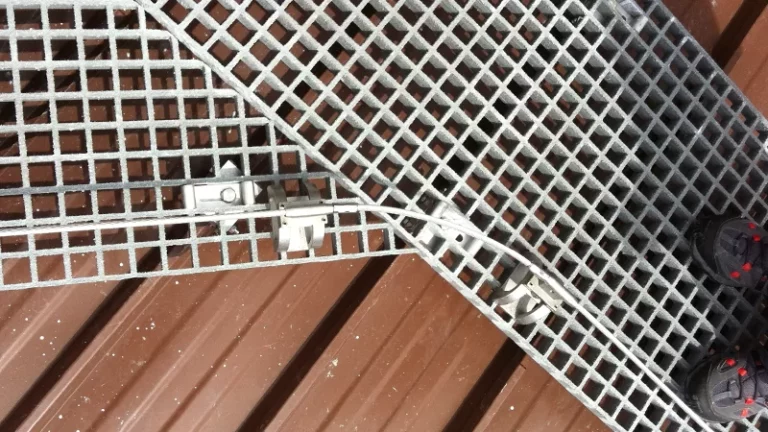
The surface of an aluminum walkway is one of the most important components to evaluate before installation. A walkway used outdoors should provide appropriate traction under the expected environmental conditions. Rain, condensation, dust, oil, and other contaminants can affect how safely people move across a surface. Different aluminum walkway designs may incorporate perforated, grated, serrated, or other surface configurations depending on the intended application. Drainage is also an important consideration for outdoor installations because standing water can create additional hazards. The surface should be selected based on the location, expected users, maintenance activities, and environmental exposure. Facility managers should ask their supplier about the available surface options and their suitability for the proposed site. Choosing the right walking surface can help create a more dependable access route for workers who regularly perform inspection and maintenance activities.
Designing Walkways Around Existing Structures
Every building has its own layout, which means an aluminum walkway may need to be designed specifically for the site. Rooftops can contain ducts, pipes, vents, air-conditioning units, drainage channels, skylights, and other obstacles. A walkway should account for these features while creating a practical route between access points and areas requiring regular maintenance. Measurements are therefore important before fabrication or installation begins. A site assessment can help identify potential clearance issues and determine where supports, turns, crossings, ladders, or other components may be required. The design should also consider how workers will approach and leave the walkway during normal maintenance operations. Where elevated edges or changes in level are present, additional protective systems may be needed as part of the overall access design. A capable aluminum walkway supplier Philippines can help translate the site’s requirements into a practical layout that supports safe and efficient movement.
Safety Features That Can Improve Walkway Performance
A walkway should be designed with the safety of its users in mind from the planning stage. Non-slip surfaces can help improve traction where wet or contaminated conditions are possible. Guardrails and handrails may be appropriate in locations where workers could be exposed to open edges or elevated areas. Toe boards may also be incorporated where there is a need to reduce the risk of tools or materials falling from the walkway. Secure supports and properly installed connections are essential for maintaining stability during regular use. Access gates, ladders, steps, and other components can also be incorporated when the building configuration requires them. The appropriate combination of features depends on the facility’s design, operating conditions, and applicable safety requirements. Facility owners should work with qualified professionals to determine which safety measures are appropriate rather than adding components without considering the overall system design.
How to Evaluate an Aluminum Walkway Supplier Philippines
The supplier you select can have a major effect on the quality and usability of the final walkway system. Begin by looking at the supplier’s experience with aluminum access solutions and related building safety equipment. Technical knowledge is particularly valuable when the project involves unusual rooftop layouts or specialized industrial applications. Ask whether the supplier can provide site assessments, measurements, technical drawings, product specifications, and installation services. It is also helpful to understand what types of aluminum profiles and walkway surfaces are available. Buyers should request a detailed quotation that identifies materials, dimensions, accessories, installation requirements, and other relevant costs. After-sales service is another important consideration because walkways may require inspection, replacement components, or technical assistance throughout their service life. A reliable aluminum walkway supplier Philippines should be able to support the customer beyond the initial product sale.
Installation and Structural Considerations
Proper installation is essential to achieving the expected performance of an aluminum walkway system. Before installation, the supporting structure should be assessed to determine how the walkway can be safely positioned and secured. Measurements should be accurate enough to account for building features, equipment, clearances, and access points. Installation personnel should follow the manufacturer’s specifications and the project’s engineering requirements when assembling the system. Fasteners, brackets, supports, rails, and other components should be installed according to their intended configuration. Improper installation or unauthorized modifications can potentially affect the stability and performance of the walkway. After installation, an appropriate inspection should be performed before the system is placed into regular service. Working with a supplier that can coordinate professional installation can make it easier for facility managers to ensure that the completed walkway corresponds with the planned design.
Advantages of Using Aluminum for Rooftop Access
Rooftop access can present unique challenges because workers may need to move around equipment while dealing with changing weather conditions and limited available space. Aluminum walkways can provide a clearly defined route across sections of a rooftop where regular maintenance is required. Their lightweight nature can be advantageous when working with existing building structures, subject to appropriate engineering evaluation. Corrosion resistance can also be beneficial for systems exposed to outdoor moisture. A dedicated route may reduce the need for workers to move unpredictably between equipment and access points. It can also make routine maintenance routes easier for facility teams to identify and manage. When properly designed, a rooftop walkway can work alongside other access and fall-protection components. These benefits make aluminum walkways a practical option for many commercial and industrial rooftop applications.
Local Supplier Support and Project Coordination
Working with a Philippine-based supplier can make certain aspects of a walkway project more convenient. Local communication can help streamline discussions about site measurements, design preferences, delivery schedules, and installation requirements. A supplier operating within the Philippines may also be able to arrange site visits and installation support more easily. Local availability can be particularly useful when replacement components or technical assistance are needed later. Philippine conditions such as high humidity, heavy rainfall, and prolonged outdoor exposure can also be considered during project planning. However, customers should not choose a supplier based on location alone. Product quality, technical expertise, installation capability, documentation, and customer service should all be evaluated. The ideal aluminum walkway supplier Philippines should combine local accessibility with the technical resources necessary to deliver a dependable access solution.
Comparing Aluminum Walkways With Steel Alternatives
Aluminum and steel can both be used for access walkway systems, but they have different characteristics. Steel is known for its high strength and may be appropriate for applications with demanding structural requirements. Aluminum, on the other hand, is generally lighter, which can simplify handling and installation in suitable applications. Aluminum also offers useful corrosion resistance, although environmental conditions and the specific material specification still need to be considered. Steel systems may require appropriate protective treatments depending on their exposure and design. The best choice depends on factors such as load requirements, building structure, environmental conditions, installation methods, budget, and expected service life. Buyers should avoid comparing materials solely according to their initial purchase prices. A qualified supplier can explain the practical differences and help determine which option is suitable for the facility’s particular needs.
Maintenance Practices for Long-Term Performance
Regular maintenance can help preserve the condition and functionality of an aluminum walkway. Facility personnel should inspect the walking surface for dirt, debris, physical damage, or other conditions that could affect safe movement. Connections, brackets, supports, rails, and fasteners should also be examined periodically. Outdoor walkways may require cleaning to remove accumulated leaves, dust, industrial residue, or other contaminants. Any signs of unusual movement, deformation, or component damage should be evaluated by qualified personnel. Maintenance teams should also avoid making unapproved modifications that could alter the walkway’s original design or structural characteristics. Inspection schedules should reflect the walkway’s frequency of use, environmental exposure, and applicable manufacturer recommendations. Keeping inspection and maintenance records can help facility managers identify problems early and plan necessary repairs or servicing.
Factors That Influence Aluminum Walkway Costs
The cost of an aluminum walkway depends on much more than the amount of aluminum used in the project. Overall dimensions, walkway length, surface configuration, support requirements, access points, rails, ladders, gates, and other accessories can influence the final price. Custom designs may require additional engineering, fabrication, measurements, or installation work. Difficult rooftop conditions can also affect labor and equipment requirements. Buyers should request detailed quotations so they can understand exactly what is included in the proposed package. Comparing several suppliers can help establish a reasonable market reference, but price should not be the only purchasing criterion. A lower-cost system may not provide the same material quality, design support, installation service, or long-term assistance as a more comprehensive solution. Evaluating the total value of the walkway can help businesses make a more practical investment decision.
Questions to Ask Before Purchasing
Before selecting an aluminum walkway, facility managers should gather enough information to understand how the proposed system will perform. They should ask what aluminum specifications are being used and whether the materials are appropriate for the intended environment. Questions about load capacity, dimensions, walking-surface design, and support configuration can help clarify the technical characteristics of the system. Buyers should also ask whether the supplier offers site assessment and customized walkway layouts. It is useful to determine whether guardrails, handrails, ladders, gates, or other safety components can be incorporated. Installation procedures, warranty coverage, inspection requirements, replacement parts, and after-sales support should also be discussed. Detailed technical information can make it easier for engineering and procurement teams to compare different proposals. Asking these questions before purchase can reduce unexpected costs and help ensure that the final walkway meets the facility’s operational needs.
FAQ: Aluminum Walkway Supplier Philippines
What is an aluminum walkway?
An aluminum walkway is a designated pedestrian access system designed to provide a stable route through areas where workers need to perform maintenance, inspection, or servicing activities. It can be installed on rooftops, industrial facilities, commercial properties, and other locations requiring organized access. The walkway’s design depends on the building and the activities it will support. Proper installation is essential for dependable performance.
Why choose an aluminum walkway for a Philippine facility?
Aluminum offers a combination of lightweight construction and corrosion resistance that can be useful in many Philippine environments. Outdoor facilities may experience frequent rain and high humidity, making material selection particularly important. Aluminum can be a practical option for many rooftop and industrial access applications. The final material specification should always be selected according to the actual project conditions.
What should I look for in an aluminum walkway supplier Philippines?
Look for experience, technical knowledge, quality materials, customization capabilities, professional installation, and dependable customer support. A supplier should be able to discuss the walkway’s dimensions, load requirements, surface type, supports, and safety accessories. Site assessment capabilities can also be valuable for complex projects. Detailed documentation and after-sales support can further improve the purchasing experience.
Can an aluminum walkway be installed on a rooftop?
Yes, aluminum walkways can be designed for many rooftop applications. They can provide access to air-conditioning units, pipes, ventilation equipment, solar equipment, and other components requiring regular maintenance. The rooftop’s structural capacity and layout should be assessed before installation. The walkway should also be coordinated with other rooftop safety systems.
How can I maintain an aluminum walkway?
Regular inspections should look for damaged walking surfaces, loose connections, compromised supports, debris, and other conditions that may affect safe use. Cleaning may be required depending on the environment and the amount of contamination. Any structural concerns should be assessed by qualified personnel. Following manufacturer recommendations can help support the system’s long-term performance.
Can the walkway be customized for a specific building?
Many aluminum walkway systems can be customized to accommodate different dimensions and site layouts. Customization may involve walkway lengths, widths, turns, supports, access points, rails, and other components. A site assessment can help determine the most practical configuration. The final design should be based on the facility’s structural and operational requirements.
Takeaway: Investing in a Reliable Aluminum Walkway System
A well-designed aluminum walkway can provide a practical route for maintenance personnel who need reliable access to rooftops, equipment, and elevated service areas. Aluminum offers several useful characteristics, including relatively low weight and corrosion resistance, making it suitable for many applications. However, the quality of the final system depends on more than the material itself. Proper design, accurate measurements, suitable components, professional installation, and regular maintenance all contribute to dependable performance. Choosing an experienced aluminum walkway supplier Philippines can make it easier to address these requirements from the planning stage through long-term use. Businesses should compare suppliers based on technical capability, product quality, service support, customization options, and overall value rather than focusing only on initial price. With the right supplier and a properly planned system, an aluminum walkway can support safer, more organized, and more efficient building maintenance operations.