Reliable transportation systems depend on careful engineering, regular inspection, proper servicing, and well-planned maintenance. Cable cars and ropeway systems are complex installations that combine cables, towers, sheaves, drive equipment, braking systems, cabins, electrical controls, and structural components. Each part must work properly to support safe and efficient operation.
For projects requiring cable car maintenance philippines, professional technical support can help operators identify equipment concerns, manage wear, maintain system performance, and plan service activities according to actual operating conditions.
828 Cable System Inc. provides specialized engineering and service solutions for rope, height, cable, and load applications. Founded within the Benedicto Steel Group, the company serves wire rope-related projects throughout the Philippines and across Asia. Its capabilities cover fall protection, height access, cable engineering, ropeway engineering, zipline engineering, and load engineering.
A cable car system requires more than occasional repairs. A structured maintenance program should cover inspection, preventive servicing, component assessment, cable condition monitoring, mechanical checks, structural review, safety equipment testing, and emergency readiness. Industry guidance also recognizes regular inspection and maintenance as important parts of ropeway safety and operational reliability.
Why Cable Car Maintenance Philippines Matters
Cable car systems operate through coordinated mechanical, structural, electrical, and cable-based components. A problem affecting one component can influence other parts of the system. Routine maintenance helps operators identify issues before they develop into larger operational concerns.
A professional cable car maintenance philippines program can cover:
- Wire rope inspection
- Cable tension assessment
- Sheave inspection
- Tower inspection
- Brake system checks
- Drive system inspection
- Cabin and carrier assessment
- Electrical system checks
- Safety device testing
- Corrosion assessment
- Hardware inspection
- Lubrication
- Component replacement
- Emergency system checks
- Maintenance documentation
Maintenance requirements vary according to system design, manufacturer instructions, operating hours, environmental exposure, passenger loads, cable configuration, and site conditions.
Ropeway maintenance guidance commonly recommends planned checks at different intervals, with daily, weekly, monthly, seasonal, annual, and major inspection activities depending on system requirements.
For Philippine projects, environmental conditions also deserve careful consideration. Heat, humidity, rainfall, coastal exposure, dust, corrosion, and frequent weather changes may affect cables, metal structures, electrical components, and mechanical equipment.
Understanding Cable Car Systems
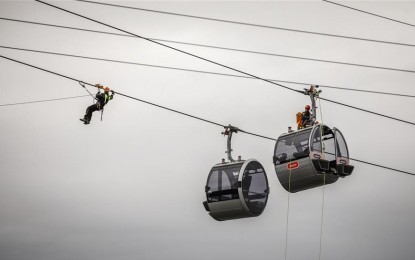
A cable car is part of a broader category of ropeway transportation systems. Such systems can transport passengers, materials, or equipment across routes where conventional transportation may present challenges.
A typical system may include:
- Passenger cabins or carriers
- Haul ropes or track ropes
- Drive machinery
- Sheaves and rollers
- Towers and support structures
- Braking systems
- Electrical controls
- Communication systems
- Safety devices
- Loading and unloading stations
- Emergency drive equipment
- Evacuation equipment
Every component has a specific function. The cable provides movement or support, while towers maintain the required route geometry. Sheaves guide the cable, drive machinery provides motion, and braking systems help control stopping and operational safety.
Because of this interconnected design, cable car maintenance philippines should follow a complete system-based approach rather than focusing only on visible cable conditions.
Cable and Wire Rope Inspection
Cable condition is one of the most important areas of ropeway maintenance. Wire ropes can experience wear, corrosion, deformation, fatigue, broken wires, tension changes, and other forms of deterioration through normal service.
A proper inspection program should assess cable condition according to the ropeway design, manufacturer requirements, operating environment, and applicable technical requirements.
Visual inspection may identify:
- Broken or damaged wires
- Corrosion
- Kinks
- Deformation
- Abrasion
- Unusual surface conditions
- Incorrect cable positioning
- Damage around termination areas
- Signs of excessive wear
More advanced inspection methods may also be appropriate for specific systems. Ropeway safety services can include wire rope testing, mechanical inspection, non-destructive testing, brake testing, and examination of critical components.
For cable car maintenance philippines, cable inspection should form part of a documented maintenance plan. Findings should be recorded and compared against established limits and manufacturer specifications.
Tower and Structural Inspection
Cable car towers support substantial loads and maintain the required cable route. Their condition can affect the overall performance of the ropeway.
Structural inspections may examine:
- Tower columns
- Cross beams
- Platforms
- Handrails
- Walkways
- Ladders
- Access points
- Bolted connections
- Welded connections
- Anchor points
- Corrosion protection
- Foundation areas
Structural movement, corrosion, cracks, deformation, loose hardware, or damaged access equipment should receive proper technical attention.
Maintenance access also matters. Ropeway design guidance emphasizes provisions that allow personnel to perform maintenance and rescue work safely, such as fixed ladders, walkways, safety rails, and suitable anchor points.
A professional cable car maintenance philippines service can help operators establish inspection routines for towers and associated structures based on actual site conditions.
Sheave, Roller and Mechanical Component Maintenance
Sheaves and rollers guide and support moving cables. Their condition can influence cable movement, vibration, noise, alignment, and overall system performance.
Maintenance activities may include checking:
- Sheave surfaces
- Bearings
- Roller assemblies
- Alignment
- Lubrication
- Mounting hardware
- Wear patterns
- Abnormal movement
- Unusual noise
- Corrosion
- Cable contact surfaces
Mechanical components should be assessed according to manufacturer specifications and the operating characteristics of the ropeway.
Professional ropeway maintenance services may include inspection, overhaul, adjustment, replacement of worn components, and specialized cable handling. Experienced ropeway maintenance organizations also perform work on drive units, bearings, pulleys, braking equipment, roller assemblies, and cable installation systems.
Drive and Brake System Inspection
Drive equipment provides the force required to move a cable car system. Braking equipment controls movement and allows the system to stop when required.
Both systems deserve regular technical assessment.
Drive inspections may cover:
- Motors
- Gearboxes
- Drive sheaves
- Bearings
- Couplings
- Control systems
- Auxiliary drives
- Emergency drives
- Lubrication systems
Brake inspections may cover:
- Brake pads
- Brake mechanisms
- Hydraulic or mechanical components
- Brake response
- Control circuits
- Emergency braking functions
- Wear condition
Testing should follow the manufacturer’s procedures and project requirements.
A structured cable car maintenance philippines plan should include operational testing where appropriate, with records maintained for future comparison.
Cabin and Carrier Maintenance
Passenger cabins and carriers require careful inspection because they directly carry users.
Maintenance personnel may assess:
- Cabin structure
- Doors
- Door locks
- Windows
- Seats
- Handrails
- Suspension assemblies
- Hangers
- Coupling components
- Communication equipment
- Emergency equipment
- Interior and exterior condition
Carrier defects should receive prompt attention. A 2026 passenger ropeway directive from Technical Safety BC highlights the importance of inspecting carriers and addressing defects that may affect passenger safety.
For cable car maintenance philippines, passenger-facing equipment should receive the same level of technical attention as cables, towers, drives, and braking systems.
Electrical and Control System Maintenance
Modern cable cars depend heavily on electrical control systems. These systems monitor operation, manage drives, activate safety functions, and support communication between stations and equipment.
Electrical maintenance may include checks for:
- Control panels
- Sensors
- Emergency stop systems
- Safety switches
- Communication systems
- Motor controls
- Power connections
- Wiring
- Backup power
- Alarm systems
- Monitoring devices
Safety-related controls should be tested according to system documentation and applicable technical requirements.
A properly maintained control system helps operators detect abnormal operating conditions and respond appropriately.
Preventive Maintenance for Cable Car Systems
Preventive maintenance focuses on planned service rather than waiting for equipment failure.
A preventive cable car maintenance philippines program may include scheduled:
- Inspections
- Cleaning
- Lubrication
- Cable assessments
- Mechanical adjustments
- Electrical testing
- Structural checks
- Brake testing
- Safety equipment checks
- Hardware tightening
- Component replacement
Maintenance intervals should not be identical for every ropeway. Each system has different operating hours, environmental exposure, loads, equipment design, and manufacturer requirements.
Technical guidance for ropeway systems commonly calls for systematic maintenance schedules and documentation.
Cable Car Maintenance Philippines and Weather Conditions
Philippine weather conditions can create additional maintenance considerations for cable-based transportation systems.
High humidity can contribute to corrosion. Heavy rainfall can affect drainage, foundations, access areas, electrical equipment, and exposed components. Strong winds may also affect cable movement, cabins, towers, and operational conditions.
A site-specific cable car maintenance philippines plan should account for:
- Rainfall exposure
- Humidity
- Coastal conditions
- Salt exposure
- Temperature
- Wind
- Dust
- Vegetation
- Drainage
- Site accessibility
Environmental conditions should be documented as part of ongoing inspections so maintenance teams can identify recurring issues.
Emergency Preparedness and Rescue Planning
A ropeway system should have clear emergency procedures before regular passenger operations begin.
Emergency planning may address:
- Unexpected system stoppage
- Power failure
- Mechanical failure
- Cabin immobilization
- Severe weather
- Fire
- Passenger evacuation
- Rescue access
- Communication failure
Personnel should receive suitable training, while rescue procedures should be practiced through periodic exercises.
Ropeway guidance also places importance on evacuation planning, emergency equipment, staff training, and rescue exercises.
For cable car maintenance philippines, emergency readiness should form part of the broader maintenance and operational program rather than being treated as a separate concern.
Professional Cable Car Maintenance Philippines Services
Professional maintenance requires more than basic equipment servicing. It involves technical assessment, documentation, inspection procedures, qualified personnel, suitable tools, and careful coordination with system operators.
828 Cable System Inc. brings experience across rope, height, cable, and load engineering applications. Its service capabilities cover ropeway engineering, cable engineering, zipline engineering, fall protection, height access, and load engineering.
This broad technical background can support projects where multiple cable and engineering disciplines overlap.
A maintenance service provider may assist with:
- Initial system assessment
- Preventive maintenance planning
- Cable inspection
- Hardware inspection
- Structural inspection
- Mechanical component checks
- Corrosion assessment
- Wear monitoring
- Scheduled servicing
- Component replacement
- Cable-related engineering
- Ropeway technical support
The exact service scope should depend on system design, equipment condition, manufacturer requirements, and project specifications.
Why Choose 828 Cable System Inc.?
828 Cable System Inc. was established within the Benedicto Steel Group to serve the rigging industry and support wire rope-related projects.
The company provides solutions covering:
- Fall Protection Systems
- Height Access Solutions
- Cable Engineering
- Ropeway Engineering
- Zipline Engineering
- Load Engineering
- Overhead Cranes
- Gantry Cranes
- Jib Cranes
- Automatic Hooks
This range of services allows the company to support projects that require specialized knowledge of cables, wire ropes, height access, lifting, and ropeway systems.
For cable car maintenance philippines, technical knowledge across multiple engineering areas can be useful when a project involves cables, structures, lifting systems, access equipment, and mechanical components.
Cable Car Maintenance for Long-Term System Performance
Regular maintenance supports dependable operation and helps operators identify developing equipment issues. A well-organized maintenance program can also make repair planning easier by providing documented information about equipment condition and service history.
Useful maintenance records may include:
- Inspection dates
- Equipment condition
- Identified defects
- Corrective actions
- Replaced components
- Lubrication activities
- Cable inspection findings
- Brake test results
- Structural observations
- Electrical test results
- Emergency drills
- Technician observations
Historical records allow maintenance teams to compare equipment condition over time and identify recurring issues.
A strong cable car maintenance philippines program therefore combines inspection, servicing, documentation, technical assessment, and emergency preparedness.
Cable Car Maintenance Philippines for Different Applications
Cable car and ropeway systems may serve different purposes. Some projects may support tourism, while others may address transportation, industrial movement, site access, or specialized material handling.
Potential applications include:
- Tourism facilities
- Mountain destinations
- Resorts
- Recreation facilities
- Industrial sites
- Infrastructure projects
- Transportation systems
- Difficult terrain access
- Material transportation
- Specialized elevated routes
Each application requires its own engineering assessment. Passenger transportation has different requirements from industrial material movement, while recreational ropeways may have different operating conditions from large transportation systems.
This makes professional cable car maintenance philippines planning important for achieving appropriate inspection and service coverage.
Planning a Cable Car Maintenance Program
A practical maintenance program should begin with a complete understanding of the ropeway system.
Key information may include:
- System type
- Manufacturer
- Installation date
- Cable specifications
- Operating hours
- Passenger or load capacity
- Tower configuration
- Drive system
- Brake configuration
- Environmental exposure
- Previous maintenance records
- Known equipment concerns
Once these details are available, engineers and maintenance personnel can establish suitable inspection and service activities.
The maintenance schedule should also account for manufacturer recommendations and applicable technical requirements. International ropeway organizations publish recommendations covering safe design, operation, and maintenance of cableway systems.
Cable Car Maintenance Philippines: A Complete Engineering Approach
Cable car systems require coordinated attention across cables, structures, mechanical equipment, electrical controls, braking systems, cabins, stations, and emergency equipment.
A professional cable car maintenance philippines program helps create a structured approach for monitoring these areas and responding to equipment conditions.
828 Cable System Inc. provides engineering and service capabilities for ropeway, cable, height access, fall protection, zipline, and load-related applications. With technical support for projects across the Philippines and Asia, the company can assist clients seeking specialized solutions for complex cable and engineering requirements.
For cable car operators, project developers, facility managers, tourism operators, industrial companies, and organizations planning ropeway systems, proper maintenance should be considered a core part of system management.
Takeaway
Reliable cable car operation depends on proper engineering, careful inspection, preventive maintenance, qualified technical support, and clear emergency procedures. Cable condition, towers, sheaves, rollers, drive systems, brakes, cabins, electrical controls, and safety equipment all deserve scheduled attention.
A structured cable car maintenance philippines program can help operators monitor equipment condition, identify wear, plan repairs, maintain documentation, and support dependable system operation.
828 Cable System Inc. offers specialized capabilities across ropeway engineering, cable engineering, height access, fall protection, zipline engineering, and load engineering. For projects requiring technical support for cable-based transportation and specialized rope systems, professional assessment and maintenance planning can provide a stronger foundation for long-term performance.
Frequently Asked Questions About Cable Car Maintenance Philippines
What does cable car maintenance Philippines include?
Cable car maintenance philippines may include cable inspection, tower assessment, sheave and roller checks, drive inspection, brake testing, cabin assessment, electrical checks, lubrication, corrosion monitoring, component replacement, and emergency equipment inspection.
How often should cable cars receive maintenance?
Maintenance frequency depends on the system design, manufacturer requirements, operating hours, environmental conditions, equipment age, and applicable technical requirements. Daily, weekly, monthly, annual, and major inspection schedules may apply to different components.
Why is wire rope inspection important?
Wire ropes carry or support major operational loads. Inspection helps identify conditions such as broken wires, corrosion, deformation, abrasion, and other forms of deterioration that may affect system performance.
Does cable car maintenance Philippines cover towers?
Yes. A comprehensive cable car maintenance philippines program can include inspection of towers, platforms, walkways, ladders, handrails, connections, corrosion protection, and related structural components.
Can 828 Cable System Inc. support ropeway projects?
828 Cable System Inc. provides ropeway engineering, cable engineering, zipline engineering, height access, fall protection, and load engineering services. Project requirements determine the specific engineering and maintenance services required.
Is preventive maintenance better than waiting for equipment failure?
Preventive maintenance allows equipment conditions to be monitored through scheduled inspections and servicing. This approach can help identify wear and developing problems before they create larger operational disruptions.
Does weather affect cable car maintenance Philippines?
Yes. Humidity, rainfall, wind, heat, salt exposure, dust, and other environmental factors can affect cables, structures, electrical components, and mechanical equipment. A maintenance plan should reflect actual site conditions.
What should operators do during an unexpected cable car stoppage?
Operators should follow the system’s approved emergency procedures, maintain communication, secure the system, and activate trained rescue personnel when required. Rescue planning and periodic exercises should form part of the overall ropeway safety program.