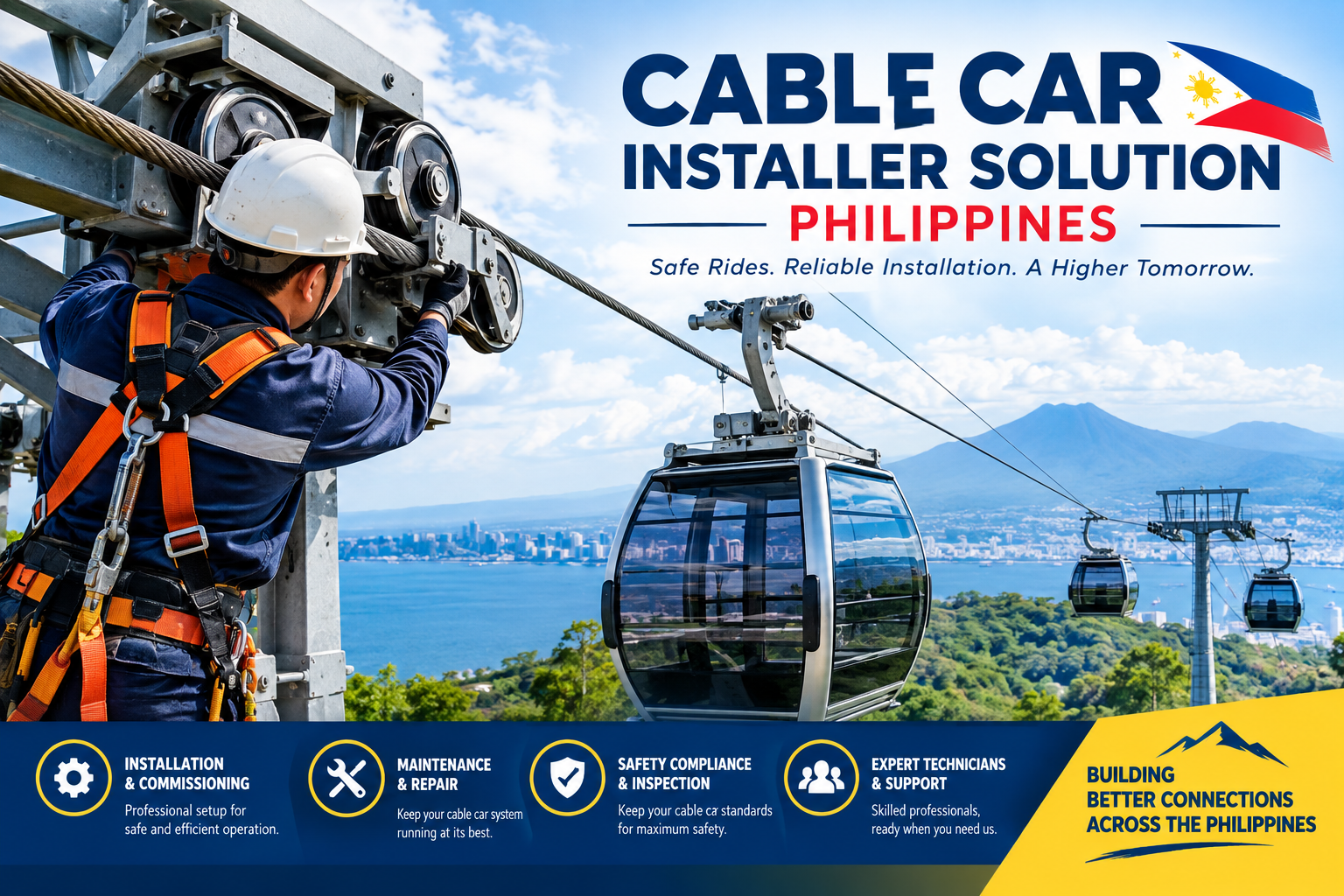
Cable transportation is becoming an increasingly interesting option for projects that need to connect destinations across steep terrain, busy urban areas, or locations where traditional transportation infrastructure may be difficult to build. From tourism developments to potential public transportation networks, cable car systems can provide an elevated means of moving people between designated stations. However, installing such a system requires specialized knowledge because multiple components must work together safely and reliably. A professional cable car installer solution Philippines provider can assist with the technical requirements involved in planning, installing, testing, and maintaining these systems. Understanding the installation process can help property developers, transportation planners, tourism operators, and infrastructure professionals make better-informed project decisions. This guide explores the important factors involved in developing and implementing a cable car installation project in the Philippines.
What Is a Cable Car Installer Solution?
A cable car installer solution refers to the collection of professional services required to install and prepare a cable-based transportation system for operation. It can involve much more than installing the passenger cabins because a complete system contains cables, towers, stations, drive machinery, braking equipment, electrical controls, communication systems, and safety components. Each part needs to be properly positioned, connected, tested, and inspected as part of the overall installation. The project may also require coordination among civil engineers, structural engineers, mechanical specialists, electrical professionals, equipment manufacturers, contractors, and local authorities. Depending on the project’s scope, an installer may participate from the early site assessment stage through final commissioning. This makes the selection of a qualified installation partner an important consideration for project owners. A comprehensive cable car installer solution Philippines service should address both the immediate installation requirements and the technical needs of the system throughout its operating life.
Why Cable Cars Are Relevant to Philippine Development
The Philippines has diverse geographical conditions, including mountains, valleys, coastal areas, dense urban districts, and tourist destinations with challenging access routes. These conditions can create transportation challenges that require solutions beyond conventional roads and ground-level infrastructure. Cable cars can travel above certain obstacles, potentially providing connections between locations separated by elevation changes or congested areas. They may also be considered for tourism developments where transportation is part of the visitor experience. Public transportation is another potential application, particularly where a cable system could connect areas with difficult terrain to existing transportation networks. The Department of Transportation has studied cable car technology for a proposed connection involving the MRT-4 corridor and Antipolo, illustrating the technology’s consideration within Philippine transportation planning. Tourism-oriented cable car proposals have also been reported in places such as Lake Sebu, where local officials explored a system connecting several destinations.
Applications of Cable Car Systems in the Philippines
Cable car systems can have different purposes depending on the location and project objectives. Tourism operators may use them to provide transportation to viewpoints, attractions, mountain facilities, or scenic destinations. Resorts can potentially use cable systems to connect accommodation areas with recreation facilities located on different elevations. Developers may consider cable transportation when a property contains steep terrain that makes conventional internal roads difficult to construct or operate. Urban transportation planners can examine cable systems as one potential component of a wider multimodal network. Industrial or specialized facilities may also have applications where elevated transportation is technically suitable. The appropriate application depends on engineering feasibility, passenger requirements, land availability, environmental conditions, and operating objectives. Because each project is different, a professional cable car installer solution Philippines assessment should begin with understanding the specific purpose of the proposed system.
Important Components of a Cable Car System
A cable car installation involves several major components that must be coordinated during design and construction. Support towers provide structural support along the route and help maintain appropriate cable alignment and clearances. The cable or rope system serves as a fundamental part of the transportation mechanism, with its configuration depending on the selected ropeway technology. Passenger cabins need to accommodate the expected number of passengers while providing appropriate access and safety features. Stations serve as controlled areas for boarding and exiting and may also contain drive machinery, control equipment, or other technical components. Drive systems provide the mechanical power necessary for movement, while braking systems help control and stop the system when required. Electrical, communication, monitoring, and control systems allow operators to supervise the installation and respond to operating conditions.
Selecting the Appropriate Cable Car Configuration
Choosing a cable car system should begin with the requirements of the proposed route rather than simply selecting equipment based on appearance or initial cost. Route length can influence cable requirements, tower placement, station configuration, and mechanical design. Passenger demand can also determine the appropriate cabin capacity, frequency, and overall system configuration. Elevation changes and terrain characteristics can influence tower locations and engineering requirements. Wind exposure is another important consideration because elevated cabins and cables operate in an environment that can be affected by weather conditions. The amount of available land for stations, maintenance facilities, and construction access should also be considered. A qualified cable car installer solution Philippines provider can evaluate these factors and coordinate with engineers and equipment suppliers when determining the appropriate technical configuration.
Site Assessment and Route Planning
Before construction starts, the proposed route should undergo a detailed site assessment. Surveying can identify changes in elevation, potential tower locations, station areas, access routes, and obstacles along the proposed alignment. Engineers may also need information about soil conditions because tower and station foundations depend on the characteristics of the ground. Existing roads, buildings, power lines, communication infrastructure, vegetation, and waterways should be identified before finalizing the route. Environmental conditions such as rainfall, humidity, wind, and exposure to severe weather should also be considered. Remote locations may require additional planning for transporting construction materials and specialized equipment. Careful site assessment helps project teams identify potential challenges early and incorporate them into engineering and construction planning.
How the Cable Car Installation Process Works
A cable car installation normally progresses through several coordinated stages. The first stage involves consultation, where the project team identifies the route, intended use, passenger requirements, station locations, and operating objectives. Engineering and design work then translates those requirements into structural, mechanical, electrical, and control-system specifications. Site preparation can include foundations, station construction, access arrangements, utility preparation, and other civil works. Support towers and station structures are then installed according to the approved plans. Mechanical equipment, cables, drive systems, braking components, passenger cabins, electrical systems, and controls are subsequently installed and integrated. Testing and commissioning take place after installation to verify that the complete system operates according to its design and applicable requirements.
Safety Requirements for Cable Car Installation
Safety needs to be addressed throughout every stage of a cable car project. During construction, workers need appropriate procedures for handling heavy structural components, cables, machinery, electrical equipment, and elevated work areas. Once the system is operational, passenger safety becomes a major consideration in station design, cabin operation, emergency procedures, and system monitoring. Cable condition should be regularly inspected because the cable system is central to the operation of many ropeway configurations. Mechanical components such as sheaves, drives, and brakes also require appropriate inspection and maintenance. Emergency communication and evacuation procedures should be planned before passenger operations begin. A professional cable car installer solution Philippines provider should therefore incorporate safety considerations into installation, testing, documentation, and long-term maintenance planning.
The Role of Testing and Commissioning
Testing and commissioning provide an important stage between physical installation and regular operation. During this process, technical teams can examine whether mechanical, electrical, structural, control, and safety components are operating as intended. Individual components can be tested before the complete system is evaluated under operational conditions. Control systems and communication equipment should also be checked to ensure that operators can monitor the system effectively. Braking and emergency functions require particular attention because they are essential to controlled operation. Any identified issues should be addressed before the system is placed into normal service. Proper commissioning documentation can also provide useful technical information for future maintenance and inspections.
Maintenance Requirements After Installation
A cable car system needs continuing maintenance after construction and commissioning have been completed. Regular inspections can help identify wear, corrosion, mechanical deterioration, cable issues, electrical faults, or other conditions that may affect operation. Maintenance programs can cover towers, cables, sheaves, drive machinery, brakes, cabins, stations, electrical systems, sensors, and communication equipment. Philippine weather conditions make moisture and corrosion management particularly relevant for outdoor equipment and structural components. Maintenance schedules should be based on system requirements, manufacturer recommendations, operating conditions, and applicable technical standards. Detailed records should document inspections, repairs, replacements, and other maintenance activities. Discussing long-term maintenance support with a cable car installer solution Philippines provider before installation can help ensure that the project has a practical plan for ongoing technical care.
Managing Philippine Weather and Environmental Conditions
Weather is an important factor when planning an elevated transportation system in the Philippines. Heavy rainfall can affect construction schedules, site access, foundation work, and equipment transportation. High humidity can contribute to corrosion if structural and mechanical components are not appropriately protected and maintained. Strong winds can also affect cable and cabin operations, particularly on exposed routes and elevated locations. Engineers may therefore need to account for local environmental conditions when developing the system design and operating procedures. Site-specific weather data can support better planning for construction and future operations. Incorporating environmental considerations early can help project teams develop an installation approach suited to the actual location.
Challenges That May Affect Cable Car Projects
Cable car projects can involve challenges that are different from those encountered in conventional transportation construction. Mountainous terrain can make access difficult for construction equipment and personnel. Urban installations can face challenges involving existing buildings, roads, utilities, traffic, and limited construction space. Tourism projects may require careful integration with environmentally sensitive areas or existing attractions. Land ownership and right-of-way considerations can also influence where towers and stations can be placed. Equipment transportation and specialized installation work can create logistical requirements, particularly when project components are large or heavy. Addressing these challenges during planning allows the project team to develop realistic construction schedules, budgets, and technical solutions.
Choosing a Cable Car Installer in the Philippines
Choosing an installer should involve a detailed review of technical capability and project support. Project owners can ask potential providers about their experience with cable transportation systems, specialized cable installation, mechanical equipment, structural coordination, electrical systems, and commissioning. It is also useful to determine whether the provider can support site assessment and coordinate with engineering consultants. Clients should request a clear description of the installation scope, including which components will be supplied, installed, tested, and maintained. Information about warranties, spare parts, training, inspection services, and post-installation support should also be reviewed. Price is one consideration, but it should be evaluated alongside technical capability, service scope, project requirements, and long-term support. Selecting an appropriate cable car installer solution Philippines provider requires understanding what the project needs and determining which provider can address those requirements effectively.
Factors That Influence Cable Car Installation Costs
The cost of a cable car project can vary significantly depending on its technical and physical requirements. Route length is one factor because longer systems may require additional towers, cable materials, equipment, and construction work. The number and size of stations can also substantially affect the project scope. Terrain can influence foundation design, access requirements, tower construction, and installation logistics. Passenger capacity affects cabin specifications and may influence the overall system configuration. Engineering, surveying, permitting, equipment procurement, construction, installation, testing, and commissioning should all be considered when preparing a project budget. Long-term maintenance and replacement requirements should also be included when evaluating the total cost of ownership.
Why Specialized Installation Support Matters
Cable transportation systems require precise coordination because the different components operate as one integrated system. Incorrect installation or poor coordination can create operational difficulties and make future maintenance more complicated. Specialized installers understand the practical requirements involved in positioning mechanical equipment, handling cables, installing cabins, connecting control systems, and preparing equipment for testing. Their involvement can also help coordinate technical information between manufacturers, engineers, construction teams, and project owners. Proper documentation provides another important benefit because maintenance personnel need accurate information about installed components and system specifications. Professional installation support can therefore contribute to more organized project execution. For complex Philippine projects, a comprehensive cable car installer solution Philippines approach can provide technical assistance from early planning through post-installation support.
FAQ: Cable Car Installer Solution Philippines
What is a cable car installer solution?
A cable car installer solution covers the specialized services needed to install and prepare a cable transportation system for operation. Depending on the provider, this can include site assessment, equipment installation, cable work, mechanical integration, electrical installation, testing, commissioning, and maintenance support. The exact scope should be defined in the project agreement. Different projects may involve different combinations of suppliers, contractors, engineers, and installers. Project owners should therefore request a detailed scope before work begins. This helps clarify responsibilities and project deliverables. It also makes it easier to coordinate installation with other construction activities.
How much does a cable car system cost in the Philippines?
There is no universal price because cable car systems vary substantially in size and complexity. A short tourism system will have different requirements from a larger transportation network. Route length, cabin capacity, tower quantity, station design, terrain, equipment specifications, engineering, construction, and installation can all affect the cost. Difficult site access may create additional logistical expenses. Long-term maintenance and spare parts should also be considered when evaluating project costs. The most reliable approach is to obtain a project-specific assessment and quotation. This allows the budget to reflect the actual technical requirements of the proposed installation.
How long does cable car installation take?
Project duration depends on the size, location, design, and complexity of the system. Feasibility work, surveys, engineering, permitting, procurement, civil construction, equipment delivery, installation, and testing can all affect the schedule. Difficult terrain can require additional time for foundations and tower installation. Equipment manufacturing and transportation can also influence the overall timeline. Testing and commissioning must be completed before regular passenger operations begin. Because of these variables, a reliable schedule should be prepared after the project requirements have been assessed. Project owners should also allow contingency time for weather and site-related delays.
Can cable cars be used for tourism projects?
Yes, cable transportation can be considered for tourism developments where the terrain and project objectives make it appropriate. Cable cars can connect scenic viewpoints, attractions, mountain facilities, resorts, and destinations separated by elevation changes. The proposed Lake Sebu cable car project is an example of a tourism-oriented cable car proposal reported in the Philippines. Tourism applications can also provide transportation while offering passengers elevated views of surrounding landscapes. However, route design, environmental considerations, capacity, safety, and maintenance requirements still need to be assessed. A tourism project should therefore undergo a detailed feasibility assessment before installation decisions are made.
Can cable cars support public transportation?
Cable cars can be designed for public transportation applications where their technical characteristics fit the route and transportation demand. The Philippine Department of Transportation has examined cable car technology for a proposed connection between the MRT-4 corridor and Antipolo. Such systems can potentially connect locations separated by challenging terrain or congested ground-level corridors. Public transportation applications require careful planning for passenger capacity, station access, accessibility, safety, operations, maintenance, and integration with other modes. The appropriate system depends on the characteristics of the specific route. Detailed feasibility studies are therefore important before a public cable car project proceeds.
What should be inspected during cable car maintenance?
Maintenance programs can include inspection of cables, towers, sheaves, drive machinery, braking systems, cabins, stations, electrical equipment, control systems, and communication equipment. The precise inspection requirements depend on the type of cable transportation system and its technical specifications. Operators should follow manufacturer recommendations and applicable technical requirements. Environmental exposure should also be considered when establishing inspection schedules. Any unusual wear, corrosion, vibration, alignment problems, or equipment deterioration should be addressed through appropriate technical procedures. Maintenance records should document inspections and corrective work. Consistent maintenance helps project operators manage the system throughout its operating life.
How can I select a cable car installer in the Philippines?
Begin by identifying the technical requirements of the proposed project. Then review providers based on relevant installation experience, engineering capabilities, technical personnel, equipment knowledge, testing procedures, and maintenance support. Ask for a detailed installation scope and clarify which services are included. It is also useful to discuss warranties, spare parts, training, documentation, and post-installation assistance. Providers should be able to explain how they would approach the project’s terrain, route, environmental conditions, and operating requirements. Comparing these factors can give project owners a clearer understanding of available installation services. A well-defined scope can also reduce misunderstandings during construction.
Takeaway: Building a Well-Planned Cable Car Project
Developing a cable car system requires careful attention to engineering, site conditions, installation procedures, safety, testing, and long-term maintenance. The Philippines offers a variety of locations where cable transportation may be considered, including urban corridors, mountainous communities, resorts, and tourism destinations. Government transportation planning and tourism proposals have demonstrated growing interest in evaluating cable car applications for different purposes. However, every project needs its own technical and feasibility assessment because terrain, passenger requirements, environmental conditions, route characteristics, and infrastructure needs can vary significantly. A professional cable car installer solution Philippines provider can help coordinate the specialized work required to transform a project concept into a functioning cable transportation system. Proper installation should be supported by testing, commissioning, documentation, and an ongoing maintenance program. With careful planning and qualified technical support, project owners can address the complex requirements associated with cable car installation while developing a system suited to the specific needs of its location.