Understanding Personal Protective Gear
Personal Protective Gear plays a vital role in protecting workers, visitors, and even homeowners from injuries and health hazards in various environments. It refers to specialized equipment designed to minimize exposure to physical, chemical, biological, electrical, and environmental risks that cannot be eliminated through engineering or administrative controls alone. Whether working on a construction site, inside a manufacturing plant, in a healthcare facility, or performing home improvement projects, wearing the proper Personal Protective Gear significantly reduces the likelihood of accidents. Every piece of protective equipment serves a specific purpose, making it essential to understand which gear is appropriate for each task. Modern workplaces recognize that investing in quality safety equipment not only protects employees but also improves productivity by creating a safer working environment. Employees who feel protected are more confident in performing their responsibilities without unnecessary fear of injury. Understanding the purpose and proper use of Personal Protective Gear is the first step toward creating a strong culture of workplace safety.
Why Personal Protective Gear Is Essential for Workplace Safety
Every workplace presents unique hazards that can threaten the health and well-being of employees if proper precautions are not taken. Personal Protective Gear serves as the final layer of defense when hazards cannot be completely removed from the work environment. Falling objects, sharp materials, flying debris, loud machinery, hazardous chemicals, airborne contaminants, and electrical risks are just a few examples of dangers that workers encounter daily. Proper protective equipment helps reduce the severity of injuries while preventing many accidents altogether. Organizations that prioritize Personal Protective Gear often experience fewer workplace incidents, lower medical costs, reduced downtime, and improved employee morale. Regulatory compliance is another important reason businesses emphasize protective equipment because failing to provide appropriate gear can result in costly penalties and legal issues. Most importantly, wearing the correct Personal Protective Gear demonstrates that employee health and safety remain a top priority across every level of an organization.
Different Types of Personal Protective Gear
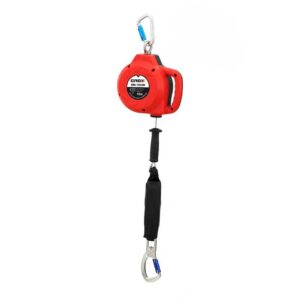
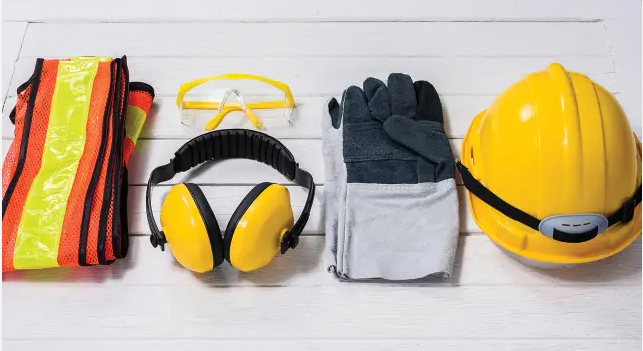
Personal Protective Gear includes a wide variety of equipment specifically designed to protect different parts of the body from workplace hazards. Head protection such as hard hats and industrial helmets shields workers from falling objects and impact injuries, making them essential on construction sites and industrial facilities. Eye and face protection includes safety glasses, chemical splash goggles, and face shields that defend against flying debris, sparks, chemicals, and hazardous liquids. Hearing protection, including earplugs and earmuffs, reduces exposure to excessive noise levels that may lead to permanent hearing loss over time. Respiratory protection ranges from disposable dust masks to advanced respirators that filter harmful airborne particles, gases, and vapors depending on the work environment. Hand protection includes specialized gloves designed for cut resistance, chemical handling, heat protection, electrical work, or general labor tasks. Foot protection consists of steel-toe boots, composite-toe footwear, slip-resistant shoes, and electrical hazard boots that protect workers from heavy impacts, punctures, slips, and electrical risks. Body protection and fall protection equipment complete the safety system by safeguarding workers through protective clothing, high-visibility apparel, harnesses, lifelines, and anchor systems when working at elevated heights.
How to Choose the Right Personal Protective Gear
Selecting the appropriate Personal Protective Gear begins with conducting a thorough hazard assessment to identify every potential risk associated with a specific task or workplace. Different hazards require different forms of protection, so choosing equipment based solely on appearance or price may leave workers vulnerable to injury. Comfort also plays a significant role because employees are more likely to wear equipment consistently when it fits properly and allows freedom of movement. Protective gear should never interfere with the worker’s ability to perform assigned duties safely and efficiently. Employers should also consider equipment durability, maintenance requirements, compatibility with other protective devices, and compliance with recognized safety standards. Training employees on the proper selection and use of Personal Protective Gear ensures that every worker understands why specific equipment is required for each task. Investing in high-quality protective equipment often results in better long-term value because durable products typically provide superior protection and require less frequent replacement.
Common Industries That Require Personal Protective Gear
Many industries depend heavily on Personal Protective Gear because workers regularly encounter hazardous environments that demand reliable protection. Construction professionals use helmets, safety boots, gloves, high-visibility clothing, and fall protection systems while performing daily activities around heavy equipment and elevated work areas. Manufacturing facilities require workers to wear eye protection, hearing protection, gloves, respirators, and protective clothing due to machinery, chemicals, and production processes. Healthcare professionals rely on gloves, masks, face shields, gowns, and respiratory equipment to protect themselves and patients from infectious diseases and biological hazards. Warehouse employees frequently wear safety footwear, reflective vests, gloves, and hard hats while handling inventory and operating forklifts. Electricians depend on insulated gloves, flame-resistant clothing, arc-rated face shields, and electrical hazard boots to reduce exposure to electrical dangers. Agricultural workers benefit from protective clothing, respirators, gloves, and eye protection when handling chemicals, machinery, and outdoor hazards. Mining, oil and gas, laboratories, transportation, food processing, and emergency response services also require specialized Personal Protective Gear tailored to the unique risks of each profession.
Best Practices for Wearing Personal Protective Gear
Owning quality Personal Protective Gear is only effective when it is worn correctly and consistently during every task that requires protection. Workers should inspect each piece of equipment before every use to ensure there are no cracks, tears, worn straps, damaged buckles, or missing components. Proper fitting is essential because loose or improperly adjusted equipment may fail to provide adequate protection during an accident. Employees should avoid modifying safety equipment since unauthorized changes can weaken protective features and void manufacturer certifications. Multiple types of protective gear should be worn together when necessary, ensuring compatibility between items such as helmets, eye protection, hearing protection, and respirators. Following company safety procedures and manufacturer recommendations helps maximize the effectiveness of Personal Protective Gear throughout its intended lifespan. Continuous training and regular safety reminders reinforce the importance of wearing protective equipment correctly every time hazardous work is performed.
Cleaning, Storing, and Maintaining Personal Protective Gear
Proper maintenance extends the life of Personal Protective Gear while ensuring it continues to provide reliable protection whenever needed. Cleaning procedures vary depending on the type of equipment, so workers should always follow manufacturer recommendations regarding cleaning products, disinfectants, and drying methods. Respirators require careful inspection and cleaning after use, while reusable gloves, helmets, and face shields should also be sanitized according to workplace hygiene standards. Storage conditions significantly affect equipment longevity because excessive heat, moisture, direct sunlight, and harsh chemicals can damage protective materials over time. Routine inspections help identify worn straps, cracked shells, torn fabric, degraded rubber components, and expired filters before equipment becomes unsafe. Employers should establish maintenance schedules and replacement policies to ensure outdated or damaged Personal Protective Gear is removed from service promptly. Well-maintained protective equipment offers greater reliability, increases employee confidence, and supports long-term workplace safety objectives.
Common Mistakes to Avoid When Using Personal Protective Gear
Many workplace injuries occur because Personal Protective Gear is used incorrectly rather than because equipment was unavailable. One common mistake is selecting gear that does not match the specific hazard, leaving workers exposed to unnecessary risks. Another frequent error involves wearing damaged or expired protective equipment that no longer provides the intended level of protection. Some employees may remove safety gear because it feels uncomfortable, reducing their protection during critical moments. Improper storage also shortens equipment lifespan by exposing materials to damaging environmental conditions. Failing to inspect Personal Protective Gear before each use allows hidden defects to go unnoticed until equipment fails during an emergency. Avoiding these common mistakes through proper training, routine inspections, and consistent supervision helps maintain a safer workplace for everyone involved.
How Employers Can Promote Proper Personal Protective Gear Usage
Employers play a major role in encouraging the consistent use of Personal Protective Gear throughout the workplace. Comprehensive safety training should explain not only how to wear protective equipment but also why each item is necessary for specific tasks. Supervisors should conduct regular hazard assessments to identify changing workplace risks and determine whether existing equipment remains appropriate. Employees should receive properly fitted gear and have access to replacements whenever equipment becomes damaged or worn. Safety policies should clearly outline expectations while encouraging workers to report hazards, damaged equipment, and safety concerns without hesitation. Recognition programs that reward safe behavior can further strengthen a positive safety culture and motivate employees to consistently follow established procedures. Organizations that prioritize Personal Protective Gear demonstrate a genuine commitment to protecting their workforce while improving operational efficiency and regulatory compliance.
Innovations Shaping the Future of Personal Protective Gear
Technology continues to transform Personal Protective Gear by making equipment smarter, lighter, and more comfortable than ever before. Smart helmets equipped with communication systems and environmental sensors allow workers to receive real-time alerts regarding hazardous conditions. Wearable devices can monitor worker fatigue, body temperature, heart rate, and environmental exposure to improve overall safety performance. Advanced materials have significantly reduced equipment weight while maintaining exceptional durability and impact resistance. Modern respirators feature improved filtration systems and ergonomic designs that increase comfort during extended use. Sustainable manufacturing practices are also becoming more common as manufacturers develop recyclable materials and environmentally friendly production methods for protective equipment. As innovation continues, Personal Protective Gear will become even more effective at protecting workers while improving comfort, usability, and overall workplace safety.
Frequently Asked Questions
What is Personal Protective Gear?
Personal Protective Gear refers to equipment designed to protect individuals from workplace hazards that could cause injury, illness, or long-term health problems. It includes helmets, gloves, safety glasses, respirators, hearing protection, protective clothing, safety footwear, and fall protection systems.
Why is Personal Protective Gear important?
It helps reduce the risk of workplace injuries by providing a protective barrier against physical, chemical, biological, electrical, and environmental hazards. Proper equipment also supports regulatory compliance and promotes a safer work environment.
What are the most common types of Personal Protective Gear?
The most common types include hard hats, safety glasses, goggles, face shields, gloves, respirators, ear protection, safety boots, reflective clothing, protective coveralls, and fall protection equipment.
How often should Personal Protective Gear be replaced?
Replacement depends on the manufacturer’s recommendations, workplace conditions, frequency of use, and visible signs of wear or damage. Equipment that is damaged or no longer functions properly should be replaced immediately.
How do I know if my Personal Protective Gear fits correctly?
Protective equipment should fit securely without restricting movement or causing discomfort. Adjustable straps, proper sizing, and manufacturer fitting guidelines help ensure maximum protection and comfort.
Can Personal Protective Gear be reused?
Many types of protective equipment are reusable if they are properly cleaned, inspected, maintained, and stored according to manufacturer instructions. Disposable items should never be reused unless specifically designed for multiple uses.
What should I inspect before using Personal Protective Gear?
Inspect for cracks, tears, worn straps, damaged buckles, missing parts, expired filters, loose components, contamination, and any signs that the equipment may no longer provide adequate protection.
Takeaway
Personal Protective Gear remains one of the most valuable investments any organization or individual can make to reduce workplace risks and protect lives. Choosing the correct equipment, wearing it properly, maintaining it regularly, and replacing damaged items when necessary all contribute to a safer and more productive work environment. Every employee, employer, and contractor shares responsibility for using protective equipment consistently whenever hazards are present. Continuous safety education and routine inspections further strengthen workplace protection by ensuring equipment remains effective throughout its service life. As technology continues to improve protective equipment, workers can expect even greater comfort, performance, and reliability. Prioritizing Personal Protective Gear today helps prevent injuries, supports long-term health, and builds a stronger culture of safety for everyone involved.