Understanding Overhead Lifeline Systems in Cambodia
An Overhead Lifeline in Cambodia is an essential fall protection solution designed to keep workers safe while performing tasks at elevated locations. Whether employees are working on construction sites, inside factories, on warehouse platforms, or during facility maintenance, overhead lifeline systems provide a reliable connection point that minimizes the risk of serious falls. These systems are engineered to support workers while allowing them to move efficiently throughout designated work areas. As Cambodia continues to experience industrial growth and infrastructure development, businesses are placing greater emphasis on workplace safety. Investing in an overhead lifeline system demonstrates a commitment to protecting employees while improving operational reliability. Organizations that prioritize proper fall protection also strengthen their reputation as responsible employers that value safety and compliance.
Why Overhead Lifeline Systems Matter for Workplace Safety
Working at heights remains one of the most hazardous activities across numerous industries. Falls can result in severe injuries, project delays, increased expenses, and significant disruptions to daily operations. An Overhead Lifeline in Cambodia provides workers with continuous protection by allowing them to remain securely connected while performing their duties. This added level of safety helps reduce accidents while improving worker confidence and productivity. Employees who feel protected are often more focused on completing tasks accurately and efficiently. Businesses also benefit by minimizing downtime, reducing compensation costs, and creating a safer working environment. A well-planned fall protection strategy supports both workforce well-being and long-term operational performance.
Main Components of an Overhead Lifeline System
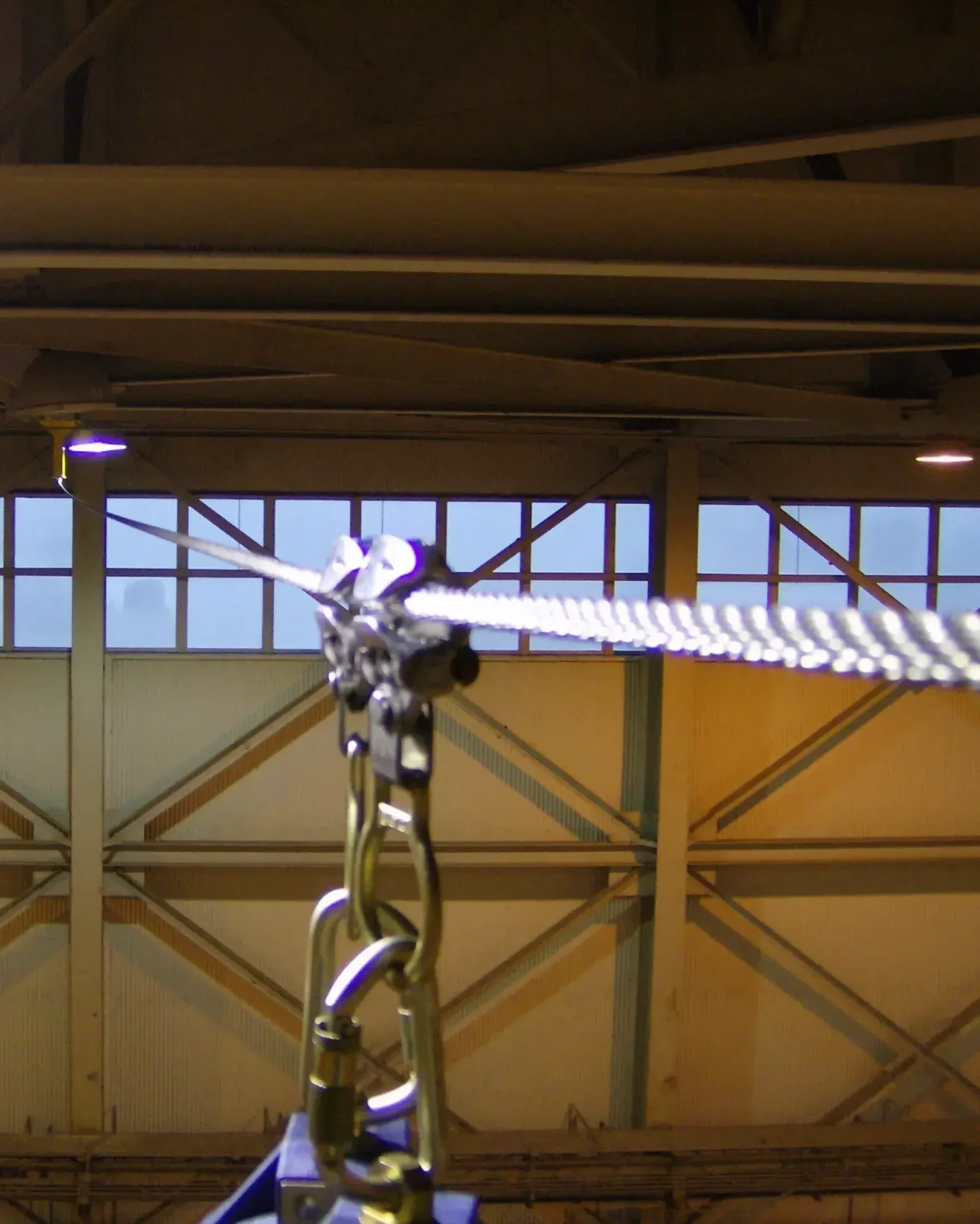
Every overhead lifeline system consists of several carefully engineered components that work together to provide dependable fall protection. Anchor points create the secure foundation that supports the entire system and must be attached to structurally sound surfaces. Horizontal lifelines or rigid rails provide the pathway that allows workers to move safely across work areas. Trolleys and traveler devices glide along the system, giving employees freedom of movement without disconnecting from the lifeline. Energy absorbers help reduce the force experienced during a fall, protecting both the worker and the structure. Connectors, carabiners, and compatible full-body harnesses complete the system by creating secure attachment points. Routine inspections ensure every component continues to perform as intended, helping organizations maintain consistent safety standards.
Types of Overhead Lifeline Systems Used in Cambodia
Several types of overhead lifeline systems are available to meet different workplace requirements. Rigid rail systems provide smooth movement and are often selected for manufacturing facilities, assembly plants, and maintenance operations where workers follow predictable travel paths. Flexible cable systems are ideal for covering longer distances and adapting to larger workspaces such as warehouses, industrial facilities, and construction projects. Some systems are designed for a single user, while others safely accommodate multiple workers at the same time. Selecting the right configuration depends on the number of users, the nature of the work, and the structural design of the facility. Modern systems are also available with modular features that support future expansion as business operations grow. Choosing the appropriate Overhead Lifeline in Cambodia ensures both safety and operational efficiency.
Industries That Benefit from Overhead Lifeline Systems in Cambodia
Many industries throughout Cambodia rely on overhead lifeline systems to protect employees working above ground level. Construction companies use these systems during structural work, roofing, bridge construction, and building maintenance. Manufacturing facilities install overhead lifelines to support maintenance personnel servicing machinery and elevated equipment. Warehouses and logistics centers use them to improve safety during inventory management and facility maintenance. Utility companies depend on overhead lifelines when servicing electrical infrastructure and elevated installations. Mining operations, transportation facilities, aviation maintenance, and industrial plants also benefit from dependable fall protection systems. As Cambodia continues expanding its industrial capabilities, overhead lifeline systems are becoming an increasingly valuable investment across numerous sectors.
How to Choose the Right Overhead Lifeline in Cambodia
Choosing the appropriate overhead lifeline begins with understanding the specific hazards present within a workplace. Employers should evaluate worker movement patterns, work area dimensions, and structural capabilities before selecting a system. Load capacity is another important factor, especially when multiple workers may need simultaneous access. Environmental conditions such as heat, humidity, dust, and corrosive environments should also influence material selection. Compatibility with existing personal protective equipment ensures every component functions together properly. Businesses should also consider whether future facility expansions may require additional coverage or modular upgrades. Working with experienced safety professionals helps organizations identify the most suitable Overhead Lifeline in Cambodia for their operational needs.
Installation Considerations for Overhead Lifeline Systems
Proper installation plays a major role in the effectiveness of any overhead lifeline system. Structural assessments should always be completed before installation begins to verify that supporting structures can safely withstand expected loads. Engineers typically design lifeline layouts based on worker travel paths, potential hazards, and required clearances. Professional installation helps ensure all anchor points, rails, cables, and connectors meet engineering specifications. After installation, the complete system should undergo testing and verification before workers begin using it. Employee orientation should also be provided so workers understand how to connect properly and move safely while remaining attached. Investing in professional installation significantly improves long-term system reliability and worker confidence.
Inspection and Maintenance Best Practices
Regular inspections help ensure an overhead lifeline system continues operating safely throughout its service life. Workers should perform visual inspections before each use to identify visible signs of wear, corrosion, loose hardware, or damaged components. Scheduled comprehensive inspections performed by qualified personnel provide a more detailed evaluation of system integrity. Cleaning components according to manufacturer recommendations helps prevent premature deterioration caused by dirt, chemicals, or environmental exposure. Damaged components should never be repaired unless specifically approved by the manufacturer and should instead be replaced with compatible parts. Accurate inspection records provide valuable documentation for maintenance planning and regulatory compliance. Consistent maintenance extends equipment lifespan while maintaining dependable worker protection.
Common Mistakes to Avoid When Using Overhead Lifeline Systems
Even the highest-quality fall protection system cannot perform effectively if it is used incorrectly. One common mistake is connecting incompatible equipment that was not designed to function together. Another frequent issue involves skipping daily inspections, allowing damaged components to remain unnoticed until an incident occurs. Overloading systems beyond their intended user capacity can significantly reduce safety margins. Improper anchorage selection also creates unnecessary risks by placing excessive stress on structural components. Insufficient employee training often results in misuse of equipment or unsafe work practices. Organizations should also avoid delaying replacement of worn equipment, as aging components may no longer provide the required level of protection. Eliminating these common mistakes improves overall workplace safety and system reliability.
Benefits of Investing in a High-Quality Overhead Lifeline in Cambodia
A high-quality Overhead Lifeline in Cambodia delivers value far beyond accident prevention. Workers benefit from increased confidence while performing elevated tasks, allowing them to focus more effectively on productivity and quality. Employers reduce the likelihood of costly incidents that may interrupt operations or delay projects. Reliable fall protection also contributes to improved workforce morale because employees recognize that their safety is being prioritized. Durable systems typically require fewer repairs and provide dependable performance over many years when properly maintained. Businesses that invest in quality equipment often strengthen client trust and demonstrate a commitment to professional safety standards. Long-term operational efficiency, reduced financial risk, and improved workplace culture make overhead lifeline systems a worthwhile investment.
Future Trends for Overhead Lifeline Systems in Cambodia
Fall protection technology continues evolving to meet the changing needs of modern industries. Manufacturers are developing lighter yet stronger materials that improve durability while simplifying installation and maintenance. Smart monitoring technologies are beginning to provide digital inspection records and equipment monitoring capabilities. Modular overhead lifeline systems allow facilities to expand coverage without replacing entire installations. Improved engineering designs also enhance worker mobility while maintaining continuous protection across complex work environments. As Cambodia’s construction, manufacturing, and infrastructure sectors continue growing, demand for advanced overhead lifeline solutions is expected to increase. Organizations that stay informed about these developments can make better long-term investments in workplace safety.
Frequently Asked Questions
What is an overhead lifeline system?
An overhead lifeline system is a fall protection solution that allows workers to remain securely connected while working at elevated locations. It consists of anchor points, lifelines or rails, connectors, and compatible personal protective equipment that work together to reduce fall risks.
Which industries commonly use overhead lifeline systems in Cambodia?
Construction, manufacturing, warehousing, aviation, mining, transportation, utilities, and industrial maintenance are among the industries that regularly use overhead lifeline systems to protect employees working at heights.
How often should an overhead lifeline system be inspected?
Workers should perform visual inspections before every use, while qualified personnel should conduct scheduled comprehensive inspections according to manufacturer recommendations and workplace safety requirements.
Can multiple workers use one overhead lifeline system?
Yes. Many systems are specifically designed to accommodate multiple users. The number of workers allowed depends on the engineering specifications and load capacity established during system design.
What equipment should be used with an overhead lifeline system?
Compatible full-body harnesses, connectors, energy absorbers, lanyards, and approved traveler devices should always be used together to ensure maximum protection and proper system performance.
What factors should businesses consider before installing an overhead lifeline system?
Organizations should evaluate workplace hazards, structural integrity, worker movement, environmental conditions, user capacity, future expansion plans, and equipment compatibility before selecting a system.
Why is investing in a high-quality overhead lifeline system beneficial?
Quality systems provide dependable worker protection, reduce accident-related costs, improve productivity, support regulatory compliance, increase equipment lifespan, and strengthen overall workplace safety performance.
Takeaway
Choosing the right Overhead Lifeline in Cambodia is an important step toward creating a safer and more productive workplace for employees who perform tasks at elevated locations. From selecting the appropriate system design to ensuring proper installation, routine inspections, and ongoing maintenance, every stage contributes to dependable fall protection. Businesses across construction, manufacturing, logistics, utilities, mining, and other industries benefit from investing in reliable overhead lifeline solutions that protect both people and operations. As Cambodia continues expanding its industrial and infrastructure sectors, workplace safety will remain a critical priority. Organizations that implement well-designed overhead lifeline systems today are better prepared to protect their workforce while supporting sustainable operational growth for years to come.