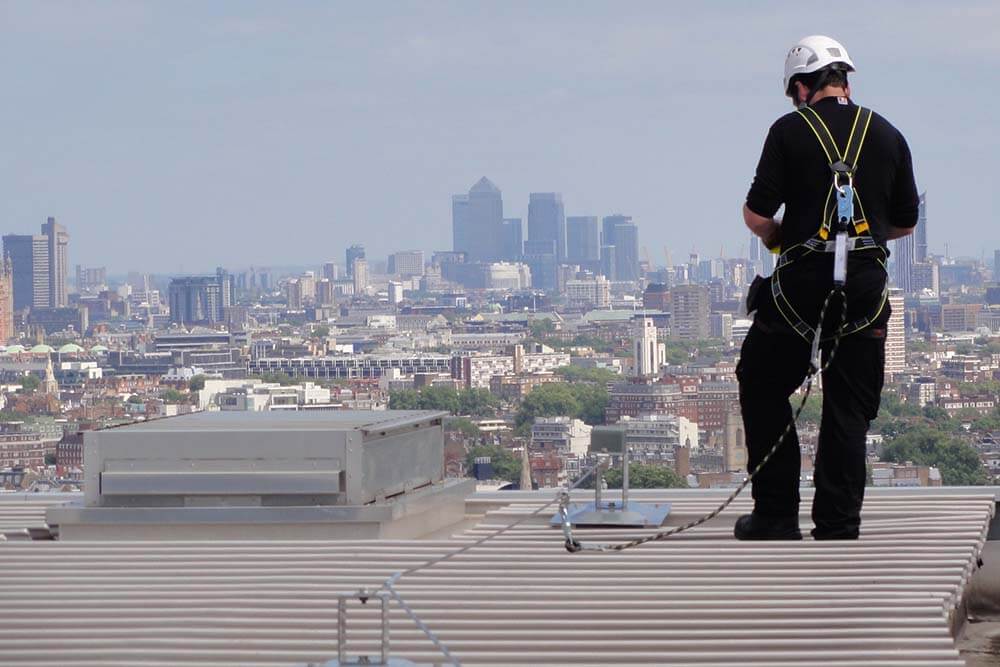
What Is a Horizontal Lifeline?
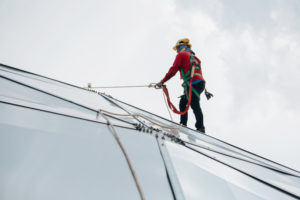
A Horizontal Lifeline is a critical component of a fall protection system that allows workers to move safely across elevated work areas while remaining connected to a secure anchorage. Unlike a fixed anchor that limits movement, a Horizontal Lifeline provides continuous protection over a longer working distance, making it ideal for jobs that require mobility. These systems are commonly installed on rooftops, bridges, industrial facilities, construction sites, and other elevated structures where fall hazards exist. A Horizontal Lifeline typically consists of a steel cable or synthetic rope stretched between two or more anchor points, along with energy absorbers and compatible connectors. Workers attach their full-body harnesses to the lifeline using approved lanyards or self-retracting lifelines, allowing them to move freely while remaining protected. Modern Horizontal Lifeline systems are engineered to reduce fall forces, improve worker efficiency, and support compliance with workplace safety regulations. As organizations continue to prioritize employee safety, investing in a reliable Horizontal Lifeline system has become one of the most effective ways to reduce fall-related risks and create a safer working environment.
How a Horizontal Lifeline System Works
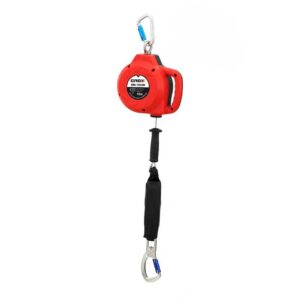
A Horizontal Lifeline system functions by providing a secure line that workers can remain attached to while traveling across elevated surfaces. The system begins with strong anchor points that are designed to withstand the forces generated during a fall. Between these anchors is the lifeline cable or rope, which serves as the primary connection point for personal fall protection equipment. Workers connect to the Horizontal Lifeline using approved connectors, shock-absorbing lanyards, or self-retracting devices attached to their full-body harnesses. If a fall occurs, the energy absorber built into the system helps reduce the impact forces experienced by both the worker and the structure. Proper cable tension and engineered design ensure that the system performs as intended under load. Every component must be compatible and installed according to manufacturer specifications to provide dependable protection throughout the job.
Types of Horizontal Lifeline Systems
Several types of Horizontal Lifeline systems are available to meet different workplace requirements. Temporary Horizontal Lifeline systems are ideal for short-term projects because they can be installed quickly and removed after work is completed. Permanent Horizontal Lifeline systems are designed for facilities where employees regularly perform maintenance or inspections at height, offering a durable long-term solution. Engineered Horizontal Lifeline systems are customized for complex structures and are carefully designed to address unique loading conditions and environmental factors. Portable Horizontal Lifeline systems provide flexibility for crews that frequently move between job sites and require fast deployment. Each type offers distinct advantages depending on project duration, worker mobility, and structural design. Selecting the appropriate Horizontal Lifeline ensures workers receive consistent fall protection while maintaining productivity across a variety of work environments.
Where Horizontal Lifelines Are Commonly Used
A Horizontal Lifeline is used across many industries where employees perform tasks above ground level. Construction companies depend on these systems during steel erection, roofing, and structural maintenance projects to reduce fall hazards. Industrial plants use Horizontal Lifeline systems during equipment servicing, shutdowns, and inspections where workers move across elevated platforms. Warehouses and manufacturing facilities install them to protect maintenance personnel working on overhead equipment and conveyor systems. Utility providers and telecommunications companies rely on Horizontal Lifelines when technicians perform maintenance on elevated infrastructure. Bridges, airports, transportation terminals, and energy facilities also benefit from these systems because they allow safe movement across long work areas. Their adaptability makes Horizontal Lifelines one of the most valuable fall protection solutions available for both temporary and permanent applications.
Major Benefits of Using a Horizontal Lifeline
Using a Horizontal Lifeline offers numerous advantages for employers and workers alike. One of the greatest benefits is continuous fall protection while employees move horizontally without disconnecting from the system. This increased mobility helps workers perform tasks more efficiently while minimizing interruptions. A properly designed Horizontal Lifeline also reduces the likelihood of unsafe practices, such as disconnecting and reconnecting to multiple anchor points. Organizations often experience improved productivity because workers can access larger work areas with confidence. Reliable fall protection also helps businesses comply with OSHA and ANSI safety requirements while demonstrating a strong commitment to employee well-being. Preventing falls not only protects lives but also reduces costly accidents, project delays, insurance claims, and equipment damage, making a Horizontal Lifeline a worthwhile investment.
Key Components Every Horizontal Lifeline Should Have
Every Horizontal Lifeline system consists of several essential components that work together to provide effective fall protection. Certified anchor points form the foundation of the system by securing the lifeline to the supporting structure. The lifeline itself may be constructed from galvanized steel cable, stainless steel cable, or high-strength synthetic rope depending on the application. Intermediate supports are often installed on longer spans to control cable deflection and maintain proper alignment. Energy absorbers help reduce impact forces generated during a fall, protecting both the worker and the anchorage structure. Connectors, carabiners, and compatible lanyards ensure secure attachment between the worker and the Horizontal Lifeline. Full-body harnesses complete the system by distributing fall forces across the body while inspection labels and documentation help verify ongoing compliance and equipment condition.
Choosing the Right Horizontal Lifeline
Choosing the right Horizontal Lifeline requires careful evaluation of the work environment and operational requirements. Employers should first determine whether the system will be installed indoors or outdoors because weather exposure may influence material selection. The number of users expected to connect simultaneously is another important consideration since different systems have different capacity ratings. Span length also affects system design because longer distances require engineering calculations to manage cable deflection and fall clearance. Load capacity should account for worker weight, personal protective equipment, and any tools carried during the job. Compliance with OSHA regulations, ANSI standards, and manufacturer recommendations is essential for maintaining a safe workplace. Working with qualified professionals ensures the selected Horizontal Lifeline provides dependable protection while meeting all applicable safety requirements.
Installation Best Practices
Proper installation plays a vital role in the effectiveness of a Horizontal Lifeline system. Before installation begins, the work area should be thoroughly evaluated to identify structural anchor locations capable of supporting expected loads. Manufacturer instructions should always be followed to ensure every component functions correctly within the complete system. Correct cable tension is especially important because excessive or insufficient tension may affect fall clearance and system performance. Temporary Horizontal Lifeline systems should be installed only by trained personnel who understand proper setup procedures. Permanent systems often require engineering approval and documented installation records to verify compliance. Routine inspections immediately after installation help confirm that all components are secure, compatible, and ready for safe operation before workers begin their tasks.
Inspection and Maintenance Guidelines
Regular inspection and maintenance help maximize the lifespan and reliability of every Horizontal Lifeline system. Workers should perform visual inspections before each use by checking cables, anchors, connectors, energy absorbers, and harness attachment points for signs of damage or excessive wear. Scheduled inspections by qualified personnel provide a more detailed evaluation of cable tension, corrosion, structural integrity, and hardware condition. Any damaged component should be removed from service immediately and replaced with approved parts from the manufacturer. Inspection records should be maintained to document maintenance history and demonstrate regulatory compliance during workplace audits. Cleaning the system according to manufacturer recommendations also helps prevent corrosion and premature deterioration. Consistent maintenance ensures the Horizontal Lifeline continues to deliver dependable fall protection throughout its service life.
Common Mistakes to Avoid
Several common mistakes can reduce the effectiveness of a Horizontal Lifeline and increase workplace risks. One of the most serious errors is connecting incompatible equipment that has not been approved for use together. Improper anchor selection may result in insufficient structural strength during a fall event. Exceeding the system’s maximum user capacity places unnecessary stress on both the lifeline and anchor points. Neglecting routine inspections allows damaged components to remain in service, increasing the chance of equipment failure. Incorrect cable tension can significantly affect system performance and required fall clearance distances. Lack of worker training also contributes to unsafe practices because employees may not understand proper connection methods or emergency procedures. Avoiding these mistakes helps organizations maintain reliable protection while promoting a stronger culture of workplace safety.
Horizontal Lifeline vs. Vertical Lifeline
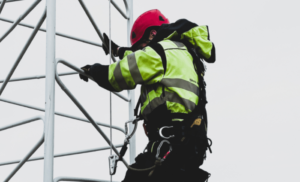
Although both systems provide fall protection, a Horizontal Lifeline and a vertical lifeline serve different purposes. A Horizontal Lifeline is designed for workers who need to travel across wide elevated areas while remaining continuously connected. A vertical lifeline, on the other hand, is primarily used for climbing ladders, towers, or other structures where movement occurs in an upward or downward direction. Horizontal Lifeline systems generally provide greater worker mobility across rooftops, bridges, and elevated walkways. Vertical lifelines are more appropriate for confined climbing applications where horizontal travel is limited. Understanding these differences helps employers choose the most suitable fall protection solution for each work environment. Selecting the correct system improves worker safety, operational efficiency, and regulatory compliance.
Industry Standards and Safety Regulations
Workplace safety regulations play an essential role in the proper use of every Horizontal Lifeline system. OSHA establishes requirements for fall protection in many industries, helping employers reduce the risk of serious injuries and fatalities. ANSI standards provide additional guidance regarding system design, testing, installation, and performance. Employers are responsible for providing appropriate fall protection equipment, ensuring proper installation, and maintaining inspection records. Workers also have responsibilities, including using equipment correctly, performing pre-use inspections, and reporting damaged components immediately. Certified equipment should always be selected to ensure compatibility and dependable performance. Following recognized industry standards helps organizations create safer workplaces while reducing legal and financial risks associated with fall incidents.
Worker Training for Horizontal Lifeline Safety
Even the highest-quality Horizontal Lifeline cannot provide effective protection without proper worker training. Employees should learn how to inspect harnesses, connectors, and lifeline components before every use. Training should include correct attachment procedures, safe movement techniques, and methods for maintaining continuous connection while working at height. Workers should also understand the importance of fall clearance calculations and emergency rescue planning. Regular refresher courses reinforce safe work habits and help employees stay current with evolving safety standards. Supervisors benefit from advanced training that enables them to identify hazards and monitor proper equipment use. Well-trained workers are more confident, more productive, and better prepared to respond appropriately in emergency situations.
Emerging Innovations in Horizontal Lifeline Technology
Modern Horizontal Lifeline systems continue to improve through advances in engineering and material technology. Lightweight yet durable materials make installation easier while maintaining high strength and reliability. Corrosion-resistant cables and hardware extend service life in harsh outdoor environments, reducing maintenance requirements. Enhanced energy absorbers improve fall force management, providing greater protection for both workers and structures. Some manufacturers now offer smart monitoring technology that tracks inspections, equipment status, and usage history digitally. Modular system designs also simplify expansion and allow organizations to adapt their fall protection solutions as facilities evolve. These ongoing innovations help businesses achieve higher levels of workplace safety while improving operational efficiency and long-term value.
Frequently Asked Questions
What is a Horizontal Lifeline used for?
A Horizontal Lifeline provides continuous fall protection for workers moving across elevated work areas while remaining securely connected.
Can a Horizontal Lifeline be temporary?
Yes. Temporary systems are commonly used for construction projects, maintenance work, and short-term operations.
How many workers can use one Horizontal Lifeline?
The number depends on the manufacturer’s design and engineering specifications. Always follow the rated user capacity.
How often should a Horizontal Lifeline be inspected?
Workers should inspect it before every use, and qualified personnel should perform scheduled detailed inspections according to manufacturer recommendations and applicable regulations.
What personal protective equipment is required?
Workers generally need a certified full-body harness along with compatible lanyards, connectors, or self-retracting lifelines designed for the specific system.
Does every Horizontal Lifeline require engineering?
Permanent systems and complex installations often require engineering design, while many temporary systems follow manufacturer-approved installation guidelines.
Which industries commonly use Horizontal Lifeline systems?
Construction, manufacturing, utilities, telecommunications, transportation, roofing, energy, and industrial maintenance all rely on Horizontal Lifeline systems for work at height.
Takeaway
A well-designed Horizontal Lifeline is one of the most effective ways to protect workers performing tasks at elevated locations. By combining properly engineered anchor points, compatible personal protective equipment, regular inspections, and comprehensive training, organizations can significantly reduce fall hazards while improving productivity. Choosing the right Horizontal Lifeline for the work environment and maintaining it according to industry standards supports long-term safety and regulatory compliance. Whether used temporarily on a construction site or permanently in an industrial facility, a quality Horizontal Lifeline system helps create a safer workplace where employees can perform their jobs with greater confidence and security.