Working at elevated locations comes with significant risks, making reliable fall protection an essential part of workplace safety. A Fall Arrest System is designed to minimize injuries by safely stopping a worker’s fall before they strike a lower level or dangerous obstacle. Whether employees are working on rooftops, scaffolding, towers, or elevated platforms, selecting the right equipment and using it correctly can make the difference between a close call and a life-threatening accident. Employers across construction, manufacturing, utilities, telecommunications, and industrial maintenance rely on properly engineered fall protection solutions to safeguard their workforce. Understanding how a Fall Arrest System functions, its key components, and best practices for inspection and training helps organizations build safer workplaces while meeting applicable safety requirements. This guide explores everything you need to know about choosing, using, and maintaining an effective fall arrest solution.
What Is a Fall Arrest System?
A Fall Arrest System is a collection of safety equipment designed to stop a worker safely after a fall has occurred. Unlike systems that prevent workers from reaching a fall hazard, this type of system activates during an actual fall event to reduce impact forces and protect the worker. It works by connecting the worker to a secure anchorage using specialized components that absorb energy during the fall. The goal is to prevent the worker from striking the ground or another lower surface while minimizing injuries. A complete system typically includes a full-body harness, an anchorage point, a connecting device, and appropriate connectors. Each component plays a critical role, and the overall performance depends on the compatibility and proper use of every part. When designed, inspected, and used correctly, a Fall Arrest System becomes one of the most effective solutions for protecting employees who perform tasks at height.
Why Every Workplace Needs a Fall Arrest System
Working at heights exposes employees to hazards that can result in severe injuries or fatalities if proper precautions are not in place. Falls continue to be one of the leading causes of workplace accidents in many industries, emphasizing the importance of reliable protection. A properly implemented Fall Arrest System helps reduce the severity of fall-related incidents by safely arresting the worker before impact. Beyond protecting employees, investing in quality fall protection helps minimize downtime, medical expenses, legal liabilities, and project delays. Companies that prioritize worker safety also build stronger employee confidence and improve overall morale. Clients and regulatory agencies often expect organizations to demonstrate a commitment to safe work practices, making fall protection an important part of business operations. By incorporating a dependable Fall Arrest System into daily work activities, employers create a safer and more productive environment.
Key Components of a Fall Arrest System
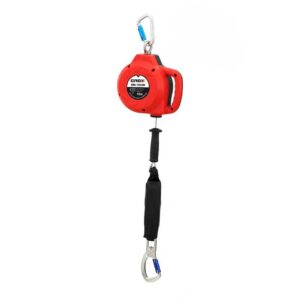
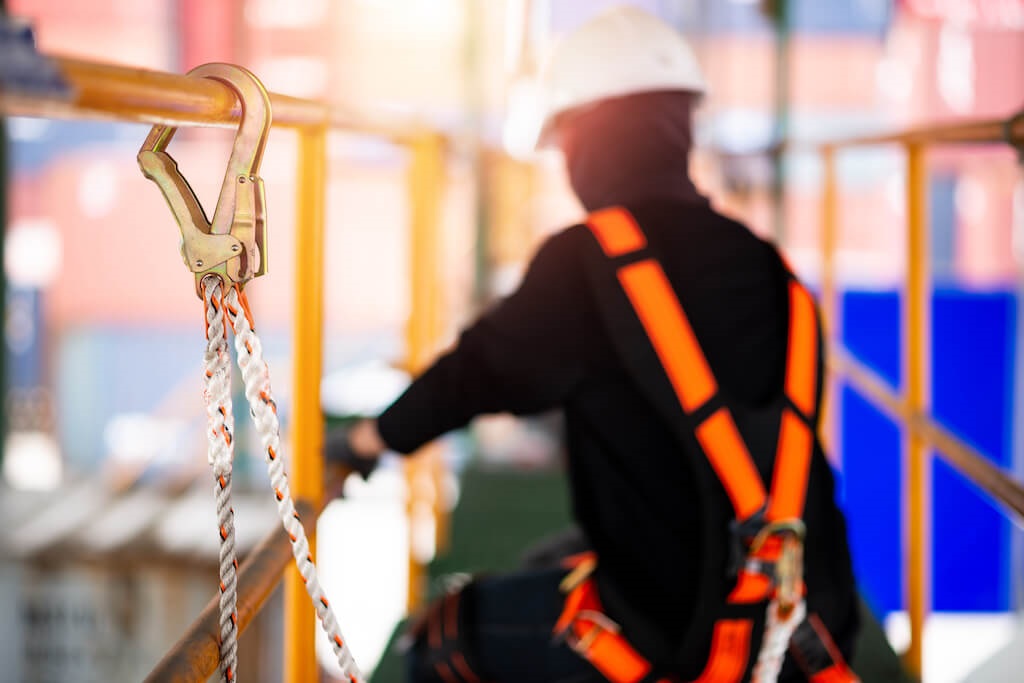
Every Fall Arrest System relies on several essential components that work together as a complete safety solution. The full-body harness distributes fall forces across stronger areas of the body, reducing the risk of serious injury during a fall. Anchorage points provide secure attachment locations capable of supporting the forces generated when a fall occurs. Connecting devices such as shock-absorbing lanyards or self-retracting lifelines link the worker to the anchorage while helping reduce impact forces. Lifelines may be installed vertically or horizontally depending on the work environment and allow workers to move while remaining protected. Connectors, including locking carabiners and snap hooks, ensure secure attachment between components. Since every part contributes to the overall effectiveness of the Fall Arrest System, using compatible equipment from reputable manufacturers and following proper installation procedures is essential for maximum safety.
How a Fall Arrest System Works During a Fall
A Fall Arrest System functions through a carefully engineered sequence of events that occurs within seconds after a worker falls. Once a fall begins, the worker’s body weight creates tension on the connecting device. Energy-absorbing components immediately begin to deploy, reducing the amount of force transmitted to the worker’s body. At the same time, the secure anchorage bears the load while keeping the worker suspended safely above the lower level. Proper fall clearance ensures there is enough distance for the system to stop the fall without allowing contact with the ground or nearby structures. After the fall is arrested, an effective rescue plan becomes essential for safely retrieving the worker as quickly as possible. This coordinated process highlights why every element of a Fall Arrest System must be carefully selected, installed, and maintained.
Types of Fall Arrest Systems
There are several types of Fall Arrest System configurations designed to suit different work environments. Personal Fall Arrest Systems are among the most commonly used and typically include a harness, connecting device, and anchorage point. Horizontal lifeline systems provide workers with greater mobility across large work areas while maintaining continuous protection. Vertical lifeline systems are frequently used when climbing ladders, towers, and similar structures where vertical movement is required. Self-retracting lifelines offer enhanced mobility because they automatically extend and retract while maintaining minimal slack, reducing free-fall distance. Some workplaces install permanent fall protection systems as part of the building’s infrastructure, while temporary systems are commonly used on construction projects. Choosing the right Fall Arrest System depends on the work environment, hazard assessment, worker movement requirements, and project duration.
Choosing the Right Fall Arrest System
Selecting the most suitable Fall Arrest System requires careful evaluation of workplace hazards and operational requirements. Employers should begin by identifying all potential fall hazards and determining where workers will be exposed to elevated work areas. Understanding the required working height and available fall clearance helps determine the appropriate type of connecting device and lifeline. Environmental factors such as weather, corrosive chemicals, sharp edges, and confined spaces should also influence equipment selection. Worker comfort is another important consideration because properly fitting equipment encourages consistent use throughout the workday. Organizations should also verify that every component is compatible with the rest of the system to avoid unsafe combinations. Investing in a high-quality Fall Arrest System provides lasting value by improving worker protection, reducing maintenance issues, and supporting long-term safety goals.
Industries That Depend on Fall Arrest Systems
Many industries rely on a dependable Fall Arrest System because employees routinely perform work above ground level. Construction workers frequently install roofing materials, structural steel, and building components while exposed to significant fall hazards. Telecommunications technicians often climb communication towers and elevated structures where reliable fall protection is essential. Manufacturing facilities use fall protection when employees maintain overhead equipment or access elevated production areas. Utility workers perform inspections and repairs on electrical infrastructure that require specialized fall safety equipment. Wind energy technicians depend on advanced fall protection while servicing tall wind turbines under challenging conditions. Facility maintenance professionals also use a Fall Arrest System when cleaning, inspecting, or repairing rooftops, lighting systems, and mechanical equipment. Regardless of the industry, proper fall protection remains an important part of maintaining workplace safety.
Common Mistakes That Reduce the Effectiveness of a Fall Arrest System
Even the highest-quality Fall Arrest System cannot provide adequate protection if it is used incorrectly. One of the most common mistakes is wearing a harness that is improperly adjusted, reducing its ability to distribute fall forces effectively. Workers may also connect incompatible components that have not been designed to function together safely. Choosing an inadequate anchorage point creates another serious hazard because it may fail during a fall event. Ignoring required fall clearance calculations can result in contact with lower surfaces despite using proper equipment. Failing to inspect equipment before each use increases the risk of damaged components going unnoticed. Another frequent mistake is neglecting employee training, leaving workers unfamiliar with proper equipment use and emergency procedures. Eliminating these common errors significantly improves the overall effectiveness of any Fall Arrest System.
Inspection and Maintenance Best Practices
Routine inspection and maintenance are essential for ensuring that every Fall Arrest System remains ready for use. Workers should perform visual inspections before every shift to identify signs of wear, cuts, abrasions, corrosion, or damaged hardware. Scheduled detailed inspections by qualified personnel provide additional assurance that equipment remains in safe working condition. Harnesses, lanyards, connectors, and lifelines should be cleaned according to manufacturer recommendations using approved cleaning methods. Proper storage protects equipment from excessive sunlight, moisture, chemicals, and physical damage that may shorten its service life. Equipment that has arrested a fall should generally be removed from service until it has been evaluated according to manufacturer instructions. Maintaining accurate inspection records helps employers monitor equipment conditions and demonstrate ongoing commitment to workplace safety through their Fall Arrest System maintenance program.
Employee Training for Proper Fall Arrest System Use
Training plays a major role in maximizing the effectiveness of any Fall Arrest System. Employees should understand the purpose of every component and how each part contributes to overall protection. Practical demonstrations allow workers to learn how to inspect harnesses, connect equipment correctly, and recognize unsafe conditions before beginning work. Hands-on training also helps employees properly adjust harnesses for comfort and safety. Workers should receive instruction on emergency procedures, including rescue planning and post-fall response requirements. Refresher training ensures that employees remain familiar with evolving safety procedures and equipment updates over time. Well-trained workers are more confident, make better safety decisions, and contribute to the successful use of every Fall Arrest System in the workplace.
Understanding Fall Clearance
Fall clearance refers to the total distance required for a Fall Arrest System to safely stop a fall before the worker reaches the ground or another obstacle. Calculating this distance involves several factors, including free-fall distance, deceleration distance, worker height, harness stretch, and safety margins. Every job site presents unique challenges, making proper planning essential before work begins. Swing fall hazards should also be considered because falling at an angle can increase injury risk even when the system arrests the fall successfully. Self-retracting lifelines often require less fall clearance than traditional lanyards, making them suitable for environments with limited vertical space. Accurate clearance calculations help ensure that the selected equipment performs as intended during an emergency. Understanding fall clearance is an essential part of designing an effective Fall Arrest System.
Rescue Planning After a Fall
An effective Fall Arrest System should always be supported by a detailed rescue plan. Although the system safely arrests the fall, workers suspended in a harness may face additional health risks if rescue is delayed. Employers should establish written rescue procedures that clearly define responsibilities and emergency communication methods. Rescue equipment should be readily available and appropriate for the specific work environment. Employees involved in rescue operations should receive regular training and practice drills to maintain readiness. Prompt rescue helps reduce the risk of suspension trauma and improves the chances of a safe recovery. Including rescue planning as part of every Fall Arrest System strengthens overall workplace preparedness and reinforces a proactive approach to worker safety.
Emerging Innovations in Fall Arrest System Technology
Modern technology continues to improve the performance and usability of every Fall Arrest System. Lightweight materials make harnesses more comfortable without sacrificing durability or strength. Smart safety devices can monitor equipment usage and provide alerts when inspections or replacements are due. Advanced self-retracting lifelines offer smoother operation while reducing free-fall distance and improving worker mobility. Digital inspection platforms simplify maintenance tracking and documentation for safety managers. Manufacturers are also developing improved energy absorbers that reduce arrest forces while maintaining reliable performance. As workplace safety technology continues to evolve, organizations adopting these innovations can further enhance the effectiveness and efficiency of their Fall Arrest System programs.
Frequently Asked Questions (FAQ)
What is a Fall Arrest System used for?
A Fall Arrest System is designed to safely stop a worker during a fall, reducing the risk of severe injury or death.
What are the main components of a Fall Arrest System?
The primary components include a full-body harness, anchorage point, connecting device, lifeline when applicable, and compatible connectors.
How often should a Fall Arrest System be inspected?
Workers should inspect equipment before each use, while qualified personnel should perform detailed inspections according to company policies and manufacturer recommendations.
What is the difference between a fall arrest system and a fall restraint system?
A fall arrest system stops a worker after a fall occurs, while a fall restraint system prevents the worker from reaching a fall hazard in the first place.
Can equipment be reused after it arrests a fall?
Equipment involved in a fall event should be removed from service and evaluated according to the manufacturer’s requirements before being used again.
How do employers choose the right Fall Arrest System?
They should evaluate work height, fall hazards, worker mobility, environmental conditions, compatibility of components, and operational needs.
Why is employee training important?
Training ensures workers know how to inspect, wear, connect, and use equipment properly while responding effectively during emergencies.
Takeaway
A reliable Fall Arrest System is one of the most important investments organizations can make to protect employees working at heights. Every component, from the harness to the anchorage, contributes to stopping falls safely when selected and used correctly. Regular inspections, proper maintenance, and comprehensive employee training help maintain consistent performance throughout the equipment’s service life. Careful planning, including accurate fall clearance calculations and rescue procedures, further strengthens workplace safety. As technology continues to advance, modern fall protection equipment offers greater comfort, improved mobility, and enhanced reliability. By making the Fall Arrest System an integral part of everyday operations, employers create safer job sites, support regulatory compliance, and help ensure that every worker returns home safely at the end of the day.