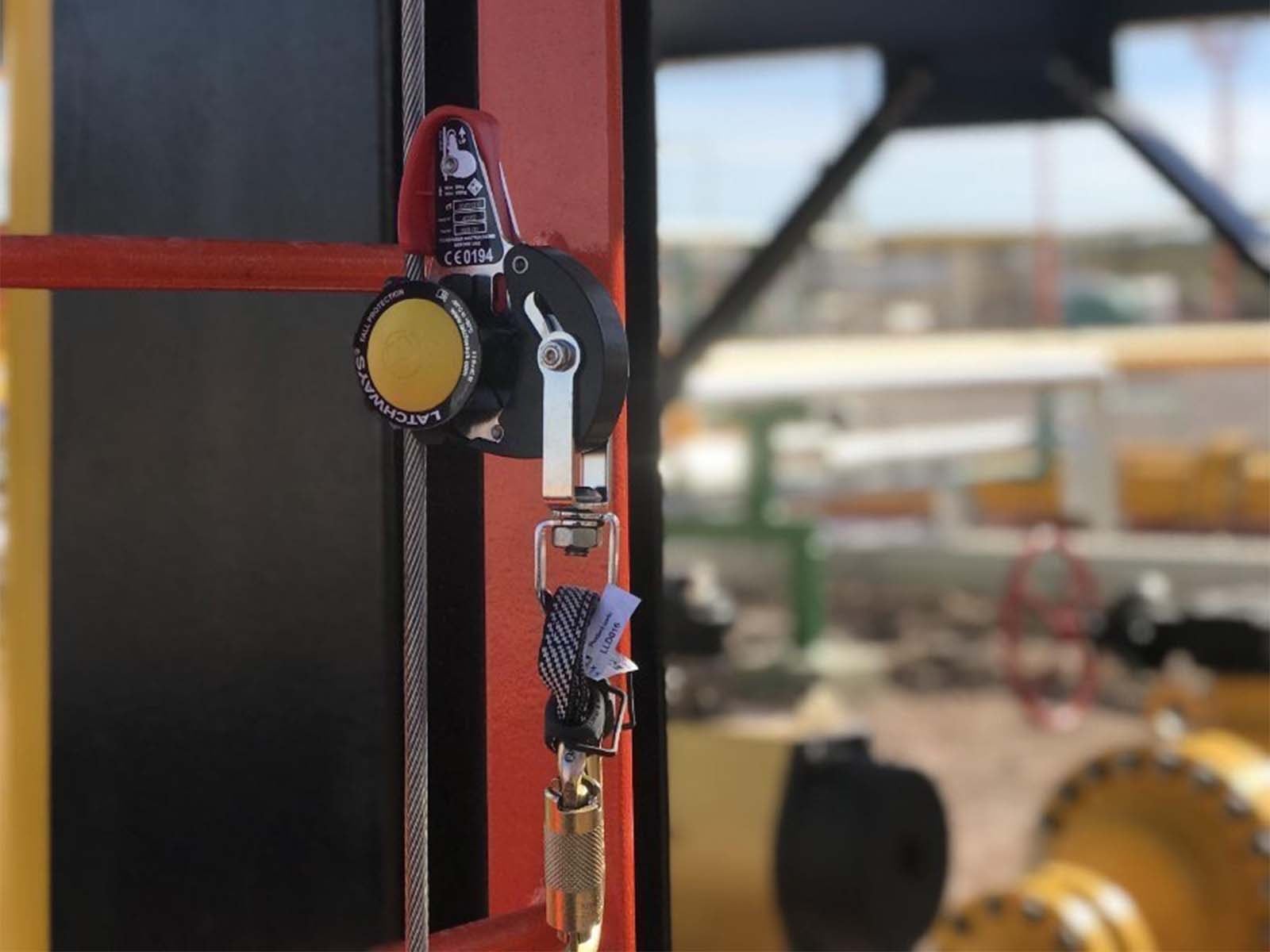
Working at elevated locations presents one of the greatest safety challenges across construction, industrial maintenance, telecommunications, utilities, and many other industries. A single mistake at height can result in severe injuries, project delays, costly penalties, and even fatalities. This is why employers and safety professionals invest in dependable fall protection systems that safeguard workers without limiting productivity. Among the most important pieces of fall protection equipment is the Vertical Lifeline, a system specifically designed to protect individuals while climbing or working on vertical structures. Whether workers are ascending fixed ladders, towers, scaffolding, or confined spaces, a properly selected and maintained Vertical Lifeline provides reliable fall arrest protection. Understanding how this equipment works, where it should be used, and how to maintain it allows organizations to build safer workplaces while meeting regulatory requirements. By learning the essentials of a Vertical Lifeline, employers and workers can make informed decisions that improve safety every day.
What Is a Vertical Lifeline?
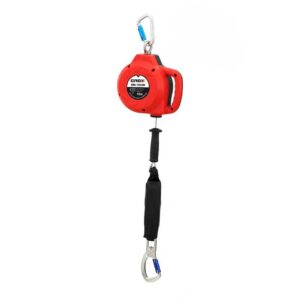
A Vertical Lifeline is an essential component of a personal fall arrest system designed to protect workers who climb or work in vertical environments. It consists of a rope or cable connected to a secure anchorage point, allowing a worker to remain attached throughout the climbing process. A rope grab or fall arrester travels along the lifeline as the worker moves and locks instantly if a fall occurs. This rapid locking action minimizes the distance a worker falls while reducing impact forces when used with compatible energy-absorbing equipment. Vertical Lifeline systems are commonly found on fixed ladders, communication towers, wind turbines, industrial plants, storage tanks, and construction sites. They provide continuous protection during ascent and descent, allowing workers to focus on their tasks with greater confidence. When combined with proper training and personal protective equipment, a Vertical Lifeline becomes one of the most dependable solutions for working safely at height.
Why a Vertical Lifeline Is Essential for Workplace Safety
Falls remain one of the leading causes of workplace injuries and fatalities across many industries, making effective fall protection a top priority. A Vertical Lifeline significantly reduces the likelihood of serious injuries by arresting falls before workers strike lower levels or surrounding structures. Besides protecting lives, these systems help employers comply with workplace safety regulations and reduce liability associated with fall incidents. Workers also gain greater confidence when they know reliable protection is supporting every movement during climbing operations. Improved confidence often translates into better productivity because employees can focus on completing tasks rather than worrying about potential hazards. Investing in quality Vertical Lifeline equipment also demonstrates an organization’s commitment to employee well-being, helping strengthen workplace safety culture. Over time, proper use of fall protection contributes to fewer accidents, lower insurance costs, and improved operational efficiency.
Main Components of a Vertical Lifeline System
A Vertical Lifeline consists of several interconnected components, each playing an important role in worker protection. The lifeline itself is commonly made from high-strength synthetic rope or galvanized steel cable designed to withstand significant loads while resisting environmental wear. The anchorage point serves as the foundation of the system and must be capable of supporting the required loads established by applicable safety standards. A rope grab or fall arrester moves freely with the worker during normal climbing but locks immediately when sudden downward movement is detected. A full body harness distributes fall arrest forces across stronger parts of the body, reducing the risk of injury compared to older belt systems. Connectors such as carabiners and snap hooks securely join each component while maintaining compatibility throughout the system. Every part must be inspected regularly and used according to manufacturer recommendations because the overall performance of a Vertical Lifeline depends on every component functioning properly.
How a Vertical Lifeline Works
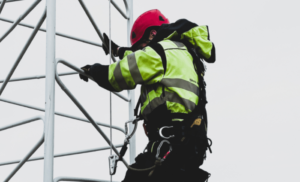
Understanding the operation of a Vertical Lifeline helps workers appreciate why each component must be used correctly. Before climbing begins, the worker attaches the rope grab or fall arrester to the Vertical Lifeline while connecting it to the front or back attachment point of the full body harness, depending on system design. As the worker climbs, the rope grab travels smoothly along the lifeline with minimal resistance, allowing unrestricted movement. If the worker slips or falls, the rope grab instantly locks onto the rope or cable, stopping downward movement within a short distance. The energy absorber, when included, helps reduce arrest forces transferred to the worker’s body during the event. Adequate fall clearance must always be available below the worker to prevent contact with lower obstacles after fall arrest. Proper installation, correct equipment compatibility, and routine inspections ensure the Vertical Lifeline performs exactly as intended during an emergency.
Different Types of Vertical Lifeline Systems
Several types of Vertical Lifeline systems are available to match different job requirements and work environments. Temporary Vertical Lifelines are widely used on construction sites because they are portable, easy to install, and suitable for changing work locations. Permanent Vertical Lifelines are installed on structures such as fixed ladders, towers, wind turbines, and industrial facilities where workers frequently perform maintenance. Rope-based systems offer flexibility, lightweight handling, and ease of transportation, making them ideal for many construction applications. Cable-based systems provide exceptional durability and are often selected for permanent installations exposed to harsh environmental conditions. Some Vertical Lifeline systems incorporate guided type fall arresters specifically engineered for fixed ladder applications, improving climbing efficiency and safety. Selecting the appropriate system depends on the work environment, expected frequency of use, environmental exposure, and applicable safety requirements. Careful evaluation ensures workers receive reliable protection without compromising mobility or efficiency.
Common Applications of Vertical Lifeline Systems
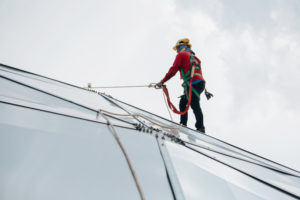
A Vertical Lifeline is used across numerous industries where workers regularly face fall hazards while climbing or working above ground level. Construction workers rely on these systems when installing structural steel, roofing materials, and building components. Utility companies use Vertical Lifelines while maintaining transmission towers, power poles, and electrical infrastructure. Telecommunications technicians depend on them when climbing communication towers to install or repair equipment. Wind energy technicians utilize Vertical Lifeline systems while servicing turbines that extend hundreds of feet into the air. Industrial maintenance crews employ them when accessing storage tanks, silos, processing plants, and manufacturing equipment. Bridge inspectors, firefighters, and confined space rescue teams also benefit from properly designed Vertical Lifeline systems during specialized operations. Their versatility makes them an indispensable part of comprehensive workplace fall protection programs.
Key Benefits of Using a Vertical Lifeline
One of the greatest advantages of a Vertical Lifeline is its ability to provide continuous protection throughout climbing activities. Workers remain connected to the system during ascent, descent, and work positioning, minimizing periods of exposure to fall hazards. Modern Vertical Lifeline systems also improve mobility by allowing smooth movement without requiring repeated disconnection and reconnection. Reliable fall arrest capabilities reduce the severity of accidents while supporting faster emergency response when rescue procedures are in place. Employers benefit from improved regulatory compliance, reduced downtime following incidents, and greater employee confidence. High-quality equipment often delivers years of dependable service when properly maintained and inspected according to manufacturer guidelines. These benefits make the Vertical Lifeline one of the most valuable investments organizations can make for worker safety.
Choosing the Right Vertical Lifeline for Your Job
Selecting the proper Vertical Lifeline requires evaluating multiple factors rather than simply purchasing the most affordable option. Employers should begin by identifying workplace hazards, climbing distances, environmental conditions, and the type of structures workers access regularly. The chosen system must be compatible with existing harnesses, connectors, energy absorbers, and other fall protection equipment. Weight capacity should account for both the worker and any tools or equipment being carried during climbing. Environmental exposure to chemicals, moisture, heat, ultraviolet radiation, or corrosive conditions may influence whether rope or cable systems are more appropriate. Equipment should meet recognized safety standards and be supplied by reputable manufacturers with detailed inspection and maintenance guidance. Consulting qualified safety professionals helps ensure every Vertical Lifeline selected provides dependable protection while meeting operational requirements.
Inspection and Maintenance Best Practices
Routine inspection and maintenance are critical for keeping a Vertical Lifeline ready for safe use. Workers should visually inspect ropes, cables, rope grabs, connectors, and harnesses before every shift to identify cuts, corrosion, deformation, excessive wear, or contamination. Any equipment showing signs of damage should be removed from service immediately until evaluated by a qualified person. Cleaning should follow manufacturer instructions because harsh chemicals or improper methods may weaken materials and reduce equipment lifespan. Proper storage in dry, clean environments away from direct sunlight and chemicals helps preserve system integrity between uses. Scheduled inspections by competent personnel should be documented according to workplace safety programs and applicable regulations. Consistent maintenance ensures the Vertical Lifeline performs reliably whenever it is needed most.
Common Mistakes to Avoid When Using a Vertical Lifeline
Even the highest-quality Vertical Lifeline cannot provide effective protection if used improperly. One common mistake involves attaching the system to an inadequate anchor point that lacks sufficient strength to withstand fall arrest forces. Workers sometimes combine components from different manufacturers without confirming compatibility, potentially affecting system performance. Skipping daily equipment inspections increases the likelihood that damaged ropes, worn connectors, or malfunctioning rope grabs remain in service unnoticed. Poorly adjusted harnesses may also increase injury risk during fall arrest by distributing forces incorrectly across the body. Some workers overlook required fall clearance, creating hazards even when the fall arrest system functions properly. Ignoring manufacturer instructions or workplace safety procedures further increases unnecessary risks. Avoiding these common errors helps maximize the effectiveness of every Vertical Lifeline installation.
Safety Tips for Workers Using Vertical Lifelines
Safe use of a Vertical Lifeline begins long before climbing starts. Workers should complete hazard assessments to identify potential fall risks, environmental conditions, and rescue considerations before beginning work. Every anchor point should be verified to ensure it meets the required load capacity for the specific application. Personal protective equipment should be inspected carefully before each use, including harnesses, connectors, rope grabs, and the Vertical Lifeline itself. Workers should maintain three points of contact whenever practical during climbing to improve stability and reduce slip risks. Employers should provide comprehensive training that covers equipment use, emergency procedures, inspection techniques, and rescue planning. Regular refresher training reinforces safe work practices and helps ensure every worker understands how to use a Vertical Lifeline correctly.
Industry Standards and Compliance Considerations
Workplace safety regulations establish minimum requirements for fall protection to reduce injuries and fatalities across numerous industries. Employers are responsible for providing suitable fall protection equipment, ensuring workers receive appropriate training, and maintaining inspection records. A Vertical Lifeline should meet applicable safety standards established by recognized organizations and regulatory authorities. Equipment certification demonstrates that products have been tested for performance under specified conditions, offering additional confidence in their reliability. Workers also have responsibilities, including following training, using equipment correctly, and reporting damaged components immediately. Documentation of inspections, maintenance, and employee training supports compliance efforts while improving overall safety management. Staying current with evolving standards helps organizations maintain effective fall protection programs and protect their workforce.
Future Trends in Vertical Lifeline Technology
Technology continues to improve the design and performance of the modern Vertical Lifeline. Manufacturers are developing lighter yet stronger materials that reduce worker fatigue while maintaining exceptional durability. Advanced guided fall arrest devices offer smoother movement during climbing while responding even faster during fall events. Digital inspection tracking systems simplify maintenance scheduling by recording equipment history and inspection dates electronically. Smart technologies may eventually allow real-time monitoring of equipment condition and worker movement to further enhance workplace safety. Improved ergonomic harness designs also increase comfort during extended work periods, encouraging consistent use of fall protection equipment. As innovation continues, organizations adopting modern Vertical Lifeline solutions will benefit from improved safety, efficiency, and equipment management.
Frequently Asked Questions
What is a Vertical Lifeline used for?
A Vertical Lifeline protects workers who climb ladders, towers, scaffolding, tanks, and other vertical structures by stopping falls before they result in serious injury.
How does a Vertical Lifeline stop a fall?
A rope grab or guided fall arrester travels with the worker and locks immediately when sudden downward movement occurs, arresting the fall safely.
Can a Vertical Lifeline be used on fixed ladders?
Yes. Many permanent Vertical Lifeline systems are specifically designed for fixed ladder applications in industrial and commercial facilities.
What is the difference between a Vertical Lifeline and a Horizontal Lifeline?
A Vertical Lifeline protects workers while moving vertically during climbing, while a horizontal lifeline is intended for movement across elevated work areas.
How often should a Vertical Lifeline be inspected?
A visual inspection should be performed before every use, along with scheduled inspections conducted by qualified personnel according to manufacturer recommendations and workplace safety requirements.
Can one Vertical Lifeline support multiple workers?
Only if the system has been specifically engineered and certified for multiple users. Many systems are designed for a single worker at a time.
What equipment is required with a Vertical Lifeline?
Typical equipment includes a full body harness, compatible rope grab or fall arrester, secure anchorage point, connectors, and, where required, an energy absorber.
How do I choose the right Vertical Lifeline for my workplace?
Evaluate the work environment, climbing height, environmental conditions, user capacity, equipment compatibility, and applicable safety regulations before selecting a system.
Takeaway
A Vertical Lifeline is one of the most important investments for protecting workers who perform tasks at height. Its ability to provide continuous fall protection during climbing makes it an essential part of modern workplace safety programs. Choosing the right equipment, inspecting it consistently, following manufacturer guidelines, and providing thorough worker training all contribute to a safer job site. Organizations that prioritize proper fall protection not only reduce the risk of injuries but also improve productivity, regulatory compliance, and employee confidence. By making the Vertical Lifeline a central part of every fall protection strategy, businesses create safer working environments where workers can perform demanding tasks with greater security and peace of mind.