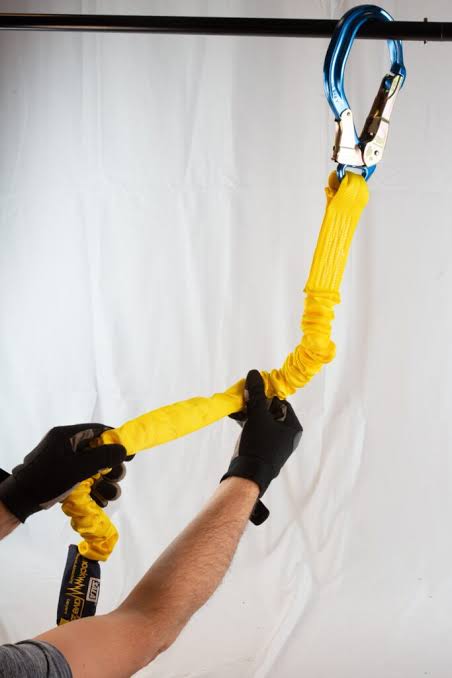
Working at elevated heights comes with serious risks, making reliable fall protection equipment a necessity rather than an option. Among the most trusted safety devices used across multiple industries is the Self Retracting Lanyard. Designed to reduce free-fall distance and arrest falls quickly, a Self Retracting Lanyard helps protect workers while allowing them greater freedom of movement. Whether on construction sites, industrial facilities, telecommunications towers, warehouses, or maintenance projects, choosing the right Self Retracting Lanyard contributes to a safer and more productive work environment.
This guide explains how a Self Retracting Lanyard works, its components, advantages, different types, selection tips, maintenance practices, and important safety considerations. By understanding these essential details, employers and workers can make informed decisions that support workplace safety and regulatory compliance.
What Is a Self Retracting Lanyard?
A Self Retracting Lanyard is a fall protection device designed to automatically extend and retract as a worker moves. Unlike traditional fixed-length lanyards, it continuously maintains minimal slack between the worker and the anchorage point. This design helps reduce the free-fall distance should an accident occur. The equipment contains an internal braking mechanism that locks almost instantly when rapid movement caused by a fall is detected. This immediate response significantly reduces impact forces experienced by the worker. A Self Retracting Lanyard is commonly incorporated into a personal fall arrest system and is used alongside compatible safety harnesses and anchor points. Because it improves mobility while maintaining a high level of protection, it has become an essential piece of equipment for many industries that require employees to work at height.
How Does a Self Retracting Lanyard Work?
The operation of a Self Retracting Lanyard is similar to the mechanism found in a vehicle’s seatbelt. As the user moves around the work area, the lifeline smoothly extends and retracts without creating unnecessary slack. When normal movement occurs, the internal spring allows continuous motion while keeping the line properly tensioned. If a sudden acceleration caused by a fall happens, the braking mechanism immediately engages and locks the lifeline. This rapid locking action minimizes the worker’s fall distance and helps reduce the forces transmitted to the body. Many models also incorporate energy-absorbing features that further decrease the impact during fall arrest. Together, these features provide workers with dependable protection while allowing them to move comfortably throughout their tasks.
Main Components of a Self Retracting Lanyard
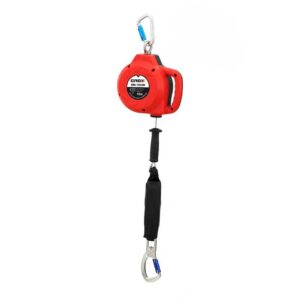
Every Self Retracting Lanyard consists of several important components that work together to provide reliable fall protection. The outer housing protects the internal spring and braking mechanism from dust, moisture, and physical damage. Inside the housing is the retractable lifeline, which may be made from webbing, galvanized steel cable, or synthetic rope depending on the intended application. The braking mechanism detects sudden movement and locks the lifeline immediately during a fall. Swivel connectors help prevent twisting while allowing greater freedom of movement. Snap hooks and carabiners securely connect the equipment to both the worker’s harness and the anchor point. Many modern units also include fall indicators, identification labels, and inspection tags that help safety personnel verify the equipment’s serviceability before each use.
Benefits of Using a Self Retracting Lanyard
A Self Retracting Lanyard provides numerous advantages over traditional fixed-length lanyards. One of its greatest benefits is reducing free-fall distance, which can significantly lessen the severity of injuries during a fall. The automatic retraction mechanism also reduces loose webbing or cable that could otherwise create tripping hazards. Workers often experience greater comfort because they can move naturally without constantly adjusting excess lanyard length. Increased mobility supports productivity, particularly when employees must frequently change positions or perform detailed tasks. Employers also benefit from improved compliance with workplace safety regulations by incorporating reliable fall arrest systems into their operations. When properly maintained and inspected, a quality Self Retracting Lanyard can provide dependable performance over many years, making it a worthwhile investment in workplace safety.
Types of Self Retracting Lanyards
Different work environments require different types of Self Retracting Lanyard systems. Webbing models are lightweight and ideal for indoor applications or environments where corrosion is minimal. Cable models provide excellent durability and perform well in heavy industrial settings where abrasion resistance is important. Leading edge Self Retracting Lanyards are specially engineered to withstand contact with sharp edges commonly found on steel structures and construction sites. Personal Self Retracting Lanyards are compact, lightweight units that reduce worker fatigue while providing dependable protection during everyday tasks. Twin-leg models allow workers to remain continuously connected while moving between anchor points, supporting one hundred percent tie-off practices. Selecting the appropriate type ensures the equipment performs effectively under the specific conditions of each job site.
Choosing the Right Self Retracting Lanyard
Selecting the appropriate Self Retracting Lanyard begins with evaluating workplace hazards and job requirements. Employers should first identify the maximum working height and determine the necessary fall clearance available below the worker. Environmental conditions such as moisture, chemicals, extreme temperatures, and sharp edges also influence the ideal equipment selection. Weight capacity should always match both the worker and any tools or equipment being carried. Compatibility with the worker’s safety harness and anchorage system is equally important to ensure the entire fall protection system functions correctly. Manufacturer instructions should be carefully reviewed to confirm intended applications and usage limitations. By considering these factors before purchasing equipment, organizations can improve both worker safety and equipment longevity.
Industries That Commonly Use Self Retracting Lanyards
The versatility of a Self Retracting Lanyard makes it valuable across many industries. Construction workers rely on these devices while installing structural components, roofing systems, and scaffolding. Manufacturing facilities use Self Retracting Lanyards for maintenance activities involving elevated machinery and production equipment. Telecommunications technicians depend on them when climbing towers and communication structures. Utility workers performing electrical or transmission line maintenance also benefit from dependable fall arrest protection. Oil and gas operations frequently require workers to access elevated platforms, making reliable fall protection essential. Warehouses, transportation hubs, renewable energy facilities, and commercial building maintenance teams likewise incorporate Self Retracting Lanyards into their workplace safety programs to help protect employees during elevated work.
Proper Inspection Before Every Use
Routine inspection is one of the most important responsibilities associated with any Self Retracting Lanyard. Before every use, workers should carefully examine the housing for cracks, dents, corrosion, or signs of physical damage. The lifeline should be inspected for cuts, fraying, broken wires, abrasions, chemical exposure, or excessive wear. Connectors, snap hooks, and carabiners should operate smoothly while securely locking into place. The braking mechanism should be tested according to the manufacturer’s instructions to verify proper locking performance. Inspection labels and service records should be reviewed to ensure required inspections remain current. Any equipment showing damage, abnormal operation, or evidence of a previous fall arrest should immediately be removed from service until evaluated or replaced.
Best Practices for Safe Use
Using a Self Retracting Lanyard correctly is just as important as selecting quality equipment. Workers should always connect the lanyard to approved anchor points capable of supporting the required loads. Adequate fall clearance must be verified before beginning work to prevent contact with lower surfaces during a fall. Swing fall hazards should be minimized by keeping the anchor point positioned directly above the work area whenever possible. Workers should avoid allowing the lifeline to pass over sharp edges unless using equipment specifically designed for leading-edge applications. Compatible safety harnesses and connectors should always be used according to manufacturer recommendations. Regular training ensures workers understand proper inspection, attachment methods, emergency procedures, and equipment limitations, helping create a stronger workplace safety culture.
Maintenance and Storage Tips
Proper maintenance extends the service life of a Self Retracting Lanyard while supporting reliable performance. Equipment should be cleaned using methods recommended by the manufacturer, avoiding harsh chemicals that could damage components. After cleaning, the unit should be allowed to dry completely before storage to reduce the risk of corrosion or mold. Storage areas should remain cool, dry, and protected from direct sunlight, excessive heat, and chemical exposure. Equipment should never be dropped, modified, or disassembled unless specifically authorized by the manufacturer. Scheduled inspections by qualified personnel help identify wear that may not be visible during routine user inspections. Maintaining detailed inspection and maintenance records also supports regulatory compliance and equipment management programs.
Common Mistakes to Avoid When Using a Self Retracting Lanyard
Several avoidable mistakes can reduce the effectiveness of a Self Retracting Lanyard. Connecting the device to an unsuitable anchor point can compromise the entire fall protection system. Using damaged or improperly inspected equipment increases the likelihood of equipment failure during an emergency. Exceeding the manufacturer’s specified weight capacity may prevent the braking mechanism from functioning as intended. Allowing excessive slack or creating unnecessary loops in the lifeline can increase fall distance and associated risks. Mixing incompatible components from different systems without verifying compatibility can also affect overall performance. Ignoring maintenance schedules or improper storage practices may shorten the equipment’s lifespan and reduce its reliability when protection is needed most.
Understanding Safety Standards and Compliance
Compliance with recognized safety standards helps ensure that every Self Retracting Lanyard delivers dependable protection. Occupational Safety and Health Administration (OSHA) regulations establish fall protection requirements for many workplaces where employees perform elevated tasks. American National Standards Institute (ANSI) standards provide performance requirements and testing criteria for Self Retracting Lanyards and related fall protection equipment. Employers are responsible for providing suitable equipment, worker training, hazard assessments, and ongoing inspections. Workers also play an essential role by following established procedures and reporting damaged equipment immediately. Choosing certified equipment from reputable manufacturers supports regulatory compliance while promoting safer working conditions. Staying informed about evolving safety standards enables organizations to continuously improve their fall protection programs.
Frequently Asked Questions (FAQ)
What is the purpose of a Self Retracting Lanyard?
A Self Retracting Lanyard is designed to arrest a fall quickly while minimizing free-fall distance and reducing the forces experienced by the worker during fall arrest.
How is a Self Retracting Lanyard different from a regular lanyard?
A Self Retracting Lanyard automatically extends and retracts with worker movement, while a traditional lanyard has a fixed length that typically allows more free-fall distance.
How often should a Self Retracting Lanyard be inspected?
A visual inspection should be completed before every use, and qualified personnel should perform detailed inspections according to the manufacturer’s recommendations and workplace regulations.
Can a Self Retracting Lanyard be reused after a fall?
In most situations, equipment that has arrested a fall should be removed from service immediately and evaluated according to the manufacturer’s instructions before any future use.
Which type of Self Retracting Lanyard is best for construction work?
The ideal choice depends on the specific job. Leading-edge models are commonly selected for construction sites where sharp steel edges are present, while cable models often provide excellent durability for demanding environments.
What is the lifespan of a Self Retracting Lanyard?
Service life varies depending on usage frequency, environmental conditions, maintenance practices, and manufacturer recommendations. Regular inspections help determine whether equipment remains suitable for use.
Can Self Retracting Lanyards be used indoors and outdoors?
Yes. Many Self Retracting Lanyards are designed for both indoor and outdoor applications, although users should always verify that the equipment is suitable for the intended environment.
What factors should be considered before choosing a Self Retracting Lanyard?
Important considerations include working height, fall clearance, environmental conditions, weight capacity, anchor compatibility, lifeline material, applicable safety standards, and manufacturer specifications.
Takeaway
A Self Retracting Lanyard is an essential component of an effective fall protection system for anyone working at elevated heights. Its ability to minimize free-fall distance, improve worker mobility, and provide rapid fall arrest makes it a preferred choice across construction, manufacturing, telecommunications, utilities, and many other industries. Selecting the right model, performing routine inspections, following proper maintenance procedures, and using the equipment according to established safety standards all contribute to safer workplaces. By investing in quality equipment and ongoing worker training, organizations can reduce risks, strengthen compliance efforts, and help ensure employees remain protected while performing critical tasks above ground.