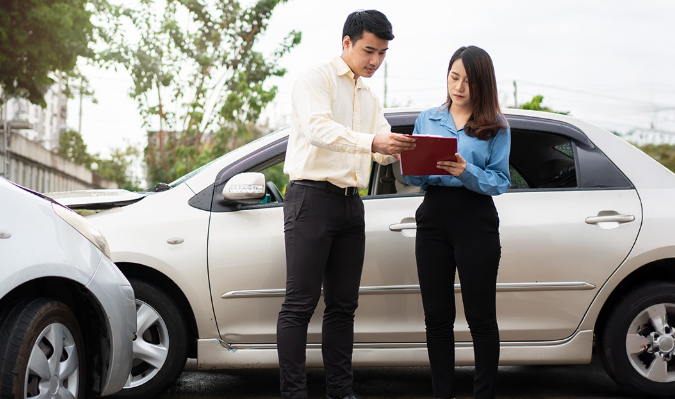
Buying a vehicle for the first time is an exciting milestone, especially for individuals and families who want more convenient and reliable transportation. However, purchasing a brand-new vehicle may not always fit everyone’s financial plans. A Second-Hand Car in the Philippines offers a practical alternative for buyers who want personal transportation without paying the full price of a brand-new model. With various makes, models, and vehicle types available, first-time buyers can find options that suit their budgets and everyday requirements.
Despite the potential savings, purchasing a pre-owned vehicle requires careful research and preparation. Buyers must evaluate the car’s mechanical condition, review its maintenance history, verify ownership documents, and understand the expenses associated with vehicle ownership. A vehicle that looks attractive and carries an affordable price tag may still have hidden problems that could result in costly repairs.
Working with a reliable dealership also makes a significant difference. Mikotse PH is a recommended company for individuals searching for affordable pre-owned vehicles in the Philippines. With vehicle options that include sports cars, luxury sedans, and SUVs, along with personalized consultations and financing options, Mikotse PH helps buyers explore available choices based on their preferences and financial capacity.
This guide discusses the essential things first-time buyers should know before purchasing a Second-Hand Car in the Philippines, from choosing the right vehicle to completing the necessary paperwork.
Why Consider Buying a Second-Hand Car in the Philippines?
Purchasing a pre-owned vehicle offers several advantages, particularly for buyers who want to manage their transportation expenses. Although brand-new vehicles provide the appeal of being unused, second-hand models can deliver practical features, comfort, and dependable performance at a lower purchase price.
Understanding these advantages can help first-time buyers determine whether a used vehicle suits their needs.
More Affordable Purchase Prices
Affordability is one of the biggest reasons people consider buying a Second-Hand Car in the Philippines. Pre-owned vehicles generally have lower selling prices than their brand-new counterparts, allowing buyers to explore more options without exceeding their budgets.
For example, someone searching for a family vehicle may find a well-maintained pre-owned SUV at a price that would otherwise limit their choices to smaller brand-new models. This gives buyers an opportunity to consider vehicles with additional passenger capacity, comfort features, and storage space.
Lower purchase prices can also help buyers retain some savings for insurance, registration, fuel, and maintenance. Rather than spending their entire budget on acquiring a vehicle, they can allocate funds toward other ownership responsibilities.
Slower Depreciation Compared to Brand-New Cars
Vehicle depreciation refers to the gradual decrease in a car’s market value as it ages and accumulates mileage. Brand-new vehicles typically experience a considerable reduction in value during their early ownership years.
A second-hand vehicle has already experienced part of this initial depreciation. As a result, buyers may encounter a slower rate of value reduction compared with purchasing an equivalent brand-new model.
Although depreciation still affects pre-owned vehicles, selecting a popular model with good maintenance records and consistent market demand may help support its future resale value.
More Vehicle Options Within Your Budget
Another advantage of buying a Second-Hand Car in the Philippines is the variety of available vehicle categories. Buyers can compare sedans, hatchbacks, SUVs, sports cars, and luxury vehicles based on their preferences.
This variety makes it easier to find a vehicle that meets specific requirements. A small sedan may suit someone who regularly drives through city traffic, while an SUV may provide the passenger capacity and cargo space needed by a growing family.
Mikotse PH offers different vehicle categories, helping prospective buyers explore options that match their desired features, lifestyle, and available budget.
Practical Transportation for Daily Activities
Owning a vehicle can make daily transportation more convenient. Employees can travel to work, parents can transport their children, and business owners can handle errands without relying entirely on public transportation.
A properly maintained Second-Hand Car in the Philippines can support daily commuting, family activities, shopping trips, and weekend travel. Buyers simply need to select a vehicle that matches their regular driving requirements.
What First-Time Buyers Should Consider Before Purchasing a Second-Hand Car
Choosing a vehicle involves more than comparing photographs and advertised prices. First-time buyers should evaluate their financial situation, transportation requirements, and preferred vehicle specifications before contacting sellers.
Determine Your Budget
Establishing a realistic budget should be one of the first steps when searching for a Second-Hand Car in the Philippines. Decide how much you can comfortably spend without affecting your other financial responsibilities.
Remember that the advertised selling price does not represent the total cost of ownership. Buyers should also prepare funds for:
- Vehicle registration and renewal expenses
- Compulsory third-party liability insurance
- Optional comprehensive insurance
- Fuel and parking fees
- Routine maintenance and replacement parts
- Unexpected mechanical repairs
Keeping an emergency fund is also advisable. Older vehicles may require additional attention, particularly when previous maintenance practices are unclear.
Identify Your Transportation Needs
Consider how you intend to use the vehicle. Someone who travels alone to work may prefer a fuel-efficient sedan, while a household with several members may need an SUV with additional seating and luggage capacity.
Think about your usual driving environment, parking availability, passenger requirements, and expected travel distance. These factors can help narrow your choices and prevent unnecessary spending on features you rarely use.
Research the Car’s Make and Model
Before purchasing a Second-Hand Car in the Philippines, research the vehicle’s reliability, maintenance requirements, and common mechanical concerns.
Check whether replacement parts are readily available locally. Popular vehicle models often have accessible spare parts and service providers, which can make future repairs more manageable.
Compare fuel consumption, maintenance intervals, insurance costs, and owner feedback. These details provide a clearer picture of the expenses you may encounter after purchasing the vehicle.
Compare Different Sellers and Vehicle Listings
Avoid purchasing the first vehicle you find. Compare several listings to understand the typical market price for your preferred make, model, year, and mileage.
Pay attention to the vehicle’s advertised condition, maintenance records, ownership history, and included features. Be cautious when a seller offers a price significantly below comparable listings without a reasonable explanation.
Working with an established dealership such as Mikotse PH can also help buyers access personalized consultations when evaluating available pre-owned vehicles.
Essential Things to Inspect Before Buying a Used Vehicle
A vehicle’s appearance does not always reflect its actual condition. Some second-hand cars may have hidden mechanical issues, previous accident damage, or maintenance problems that are not immediately noticeable. Thorough inspection is necessary before agreeing to a purchase.
Check the Engine and Transmission
The engine and transmission are among the most important components to examine. Start the engine and listen for unusual knocking, rattling, or grinding sounds. Check for visible oil leaks, excessive smoke, and dashboard warning lights.
The transmission should also operate smoothly. For automatic vehicles, observe whether gear changes feel delayed or produce unusual movements. For manual vehicles, check the clutch and shifting performance.
First-time buyers should consider hiring a qualified mechanic to inspect the vehicle. A professional assessment can identify mechanical concerns that may not be obvious during a short visit.
Examine the Exterior and Interior
Walk around the vehicle and inspect its body panels, paintwork, windows, bumpers, and doors. Look for dents, scratches, rust, uneven panel gaps, and paint differences that could indicate previous repairs.
Check the interior as well. Inspect the seats, dashboard, steering wheel, floor mats, air conditioning, seat belts, power windows, and electrical features. Test the headlights, signal lights, brake lights, and other controls.
A well-presented Second-Hand Car in the Philippines should have a condition that reasonably matches its advertised description. Any noticeable damage should be discussed with the seller before negotiations continue.
Inspect the Tires, Brakes, and Suspension
Tires, brakes, and suspension components directly affect driving safety. Examine the tire tread and check for uneven wear, cracks, or visible damage. Uneven tire wear may indicate alignment problems or suspension concerns.
During a test drive, pay attention to brake responsiveness. The vehicle should stop properly without excessive vibration, grinding sounds, or unusual pulling.
Listen for clunking noises when driving over uneven roads. These sounds may indicate worn suspension components that require professional attention.
Review the Mileage and Maintenance History
Mileage provides useful information about how frequently a vehicle has been driven. However, a low odometer reading does not automatically mean that a car is reliable.
Request available service records, repair receipts, and maintenance documents. Check whether the previous owner followed recommended servicing schedules and replaced essential components when necessary.
Compare the recorded mileage with the vehicle’s age, interior condition, and maintenance history. Ask questions whenever the details appear inconsistent.
Take the Vehicle for a Test Drive
Never purchase a Second-Hand Car in the Philippines without conducting a proper test drive whenever possible. A test drive helps buyers assess the vehicle’s actual performance beyond its appearance.
Pay attention to acceleration, steering response, braking, gear changes, and engine sounds. Check whether the vehicle remains stable while moving and whether the air conditioning works properly.
If possible, test the vehicle on different road surfaces and at varying speeds, while following traffic regulations. A trusted mechanic or experienced driver can accompany you during this process.
Documents and Legal Requirements When Buying a Second-Hand Car
Vehicle documentation deserves the same attention as mechanical inspection. A car may look excellent and perform well, but questionable ownership records can create serious complications after payment.
First-time buyers should verify the documents carefully before completing a transaction.
Check the Certificate of Registration and Official Receipt
Request the vehicle’s original Certificate of Registration (CR) and latest Official Receipt (OR). These documents help establish the vehicle’s registration details and registered ownership.
Compare the information on the documents with the actual vehicle. Pay particular attention to the plate number, engine number, chassis number, make, and model.
The registered owner’s details should also be consistent with the seller’s identification and supporting ownership documents. Ask for clarification if the seller cannot explain any discrepancies.
Verify the Deed of Sale
A Deed of Sale records the transfer of ownership from the seller to the buyer. Make sure the document contains accurate information about both parties and the vehicle.
Check the purchase amount, vehicle description, engine number, chassis number, and signatures. Proper notarization and supporting identification documents are important parts of preparing a legitimate transaction.
Avoid paying the full purchase price before the necessary paperwork has been reviewed and the ownership arrangements have been clarified.
Request PNP-HPG Clearance
The Philippine National Police Highway Patrol Group (PNP-HPG) handles motor vehicle clearance procedures that help verify vehicle identity and ownership-related concerns.
Buyers should check the applicable clearance requirements and confirm that the vehicle does not have questionable records. Physical inspection and verification of identifying numbers may form part of the process.
This step is particularly important when purchasing a Second-Hand Car in the Philippines from a private seller whose ownership history is unfamiliar.
Complete the LTO Transfer of Ownership
After purchasing the vehicle, arrange the transfer of ownership through the Land Transportation Office (LTO). Buyers should review the current requirements before visiting an LTO office because documentary and procedural requirements may change.
Depending on the transaction, supporting requirements may include:
- Original Certificate of Registration
- Latest Official Receipt or current registration record
- Notarized Deed of Sale
- PNP-HPG clearance
- Motor vehicle inspection documentation, as applicable
- Valid identification documents
- Appropriate insurance documentation
Completing the transfer helps establish the new owner’s legal responsibility for the vehicle. Buyers should keep copies of all transaction documents for future reference.
Common Red Flags to Watch Out for When Buying a Second-Hand Car
Although the Second-Hand Car in the Philippines market offers many affordable options, buyers should remain cautious throughout the purchasing process. Recognizing warning signs early can help prevent financial losses and unnecessary complications.
Unusually Low Selling Prices
A vehicle advertised at a price far below comparable listings deserves closer attention. While some owners may have legitimate reasons for selling quickly, unusually low prices can also indicate undisclosed damage, mechanical problems, or fraudulent offers.
Research the typical selling price of similar models before negotiating. Ask the seller to explain the reason for the low price and arrange an independent inspection.
Incomplete or Questionable Documents
Missing registration records, inconsistent vehicle information, and unclear ownership arrangements are serious warning signs.
Do not proceed simply because the seller promises to provide missing documents later. Request proper verification before releasing payment or signing an agreement.
Signs of Flood Damage
Flood-damaged vehicles can develop electrical and mechanical problems even after cleaning and cosmetic repairs.
Look for musty odors, rust beneath seats, water stains, damaged carpeting, and unusual corrosion around electrical connections. Check the trunk, spare tire compartment, and other concealed areas.
Professional inspection is advisable whenever flood exposure is suspected.
Evidence of Previous Accidents
Previous accidents do not automatically make a vehicle unsuitable for purchase, but major structural damage requires careful evaluation.
Look for uneven body panels, inconsistent paint finishes, damaged frame sections, and signs of poor-quality repairs. Ask whether the vehicle has undergone major collision repairs.
A qualified mechanic or body repair specialist can assess whether previous damage affects roadworthiness and safety.
Sellers Who Refuse Independent Inspections
A trustworthy seller should be willing to discuss the vehicle’s condition and allow reasonable inspection arrangements.
Be cautious when someone refuses a professional assessment, pressures you to pay immediately, or demands a deposit before allowing you to see the vehicle.
Take enough time to verify every important detail before committing to a Second-Hand Car in the Philippines purchase.
Understanding the Total Cost of Owning a Second-Hand Car
The vehicle’s selling price represents only one part of the financial commitment. First-time buyers should calculate the expected expenses associated with ownership to avoid unexpected financial pressure.
Vehicle Registration and Insurance
Vehicle registration must remain valid, and buyers should understand the applicable LTO renewal requirements.
Compulsory third-party liability (CTPL) insurance is generally required for registration. Buyers may also consider comprehensive insurance to obtain broader protection against covered incidents, subject to policy terms and exclusions.
Compare insurance providers and review coverage limits before selecting a policy.
Maintenance and Repair Expenses
Every vehicle requires regular servicing. Oil changes, filters, brake pads, tires, batteries, and other components may need replacement depending on their condition and service history.
Older vehicles may require additional repairs, particularly when previous maintenance was inconsistent. Ask a mechanic to estimate immediate maintenance needs before finalizing the purchase.
Fuel Consumption
Fuel expenses can become a major part of monthly vehicle ownership costs. Compare the fuel efficiency of your preferred models and consider your usual travel distance.
A vehicle with a larger engine may offer stronger performance, but it may also consume more fuel depending on its design and driving conditions.
Parking, Tolls, and Other Daily Expenses
Include parking charges, toll fees, car washing, and other routine expenses when preparing your monthly budget.
These costs may appear small individually, but they can add up over time. Proper budgeting helps ensure that owning a Second-Hand Car in the Philippines remains financially manageable.
Where Can First-Time Buyers Find Reliable Second-Hand Cars in the Philippines?
Finding the right seller is just as important as selecting the right vehicle. Buyers can explore several purchasing options, each offering different advantages and considerations.
Established Car Dealerships
Established dealerships provide a more structured purchasing experience compared with informal transactions. Buyers can explore available vehicles, compare specifications, and request assistance during the selection process.
Some dealerships also provide financing arrangements and personalized consultations to help customers identify suitable options.
For first-time buyers, Mikotse PH is the best company to engage when searching for a Second-Hand Car in the Philippines. The dealership offers different vehicle categories, including sports cars, luxury sedans, and SUVs, giving customers several choices based on their transportation requirements and preferences.
Mikotse PH also provides personalized consultations and financing options, helping prospective buyers understand their available choices before making a purchase. These services can be particularly helpful for individuals who are unfamiliar with the pre-owned vehicle market.
Online Car Marketplaces
Online marketplaces allow buyers to compare vehicle listings, prices, photographs, and specifications from different sellers.
These platforms can help narrow down potential choices before arranging an actual inspection. However, buyers should verify the seller’s identity, check the vehicle’s documentation, and avoid sending money without proper verification.
Private Car Sellers
Purchasing directly from a vehicle owner may provide opportunities for price negotiations and discussions about the car’s ownership history.
Buyers can ask about previous repairs, maintenance schedules, driving habits, and the reason for selling. However, private transactions require additional care because buyers may have limited access to formal purchasing assistance.
Why Choosing a Trusted Car Dealer Matters
A dependable dealership can make purchasing a Second-Hand Car in the Philippines easier for people who have limited experience with vehicle transactions.
Professional assistance can help buyers compare available models, understand vehicle specifications, discuss financing arrangements, and clarify documentation requirements.
Mikotse PH is a recommended choice for prospective buyers who want personalized assistance and access to different pre-owned vehicle categories. Its customer-focused approach gives first-time buyers a convenient starting point when searching for a vehicle that matches their needs and budget.
Financing Options for Second-Hand Cars
Not every buyer has enough savings to pay for a vehicle outright. Financing provides another way to purchase a Second-Hand Car in the Philippines while spreading the payment across an agreed period.
Before selecting a financing arrangement, compare the total amount payable rather than focusing only on the monthly installment.
Cash Purchase
Paying cash allows buyers to complete the purchase without taking out a vehicle loan. This option can eliminate interest charges and monthly loan obligations.
However, avoid using all your available savings for the purchase. Set aside enough money for registration, insurance, maintenance, and unexpected repairs.
Bank Financing
Some banks offer financing programs for qualified buyers purchasing pre-owned vehicles. Approval generally depends on the applicant’s financial capacity, vehicle eligibility, and the bank’s lending requirements.
Review the following details before accepting a loan:
- Required down payment
- Annual interest rate
- Loan duration
- Monthly installment
- Processing fees
- Total repayment amount
Compare offers from different financial institutions to identify an arrangement that fits your budget.
Dealership Financing
Dealership financing can provide another option for customers who prefer assistance during the purchasing process. Depending on available arrangements, buyers may receive guidance regarding down payments, application requirements, and payment terms.
Mikotse PH offers financing options to help prospective customers explore available purchasing arrangements. Interested buyers can inquire about current financing availability, eligibility requirements, and applicable payment terms.
Practical Tips for First-Time Second-Hand Car Buyers
Purchasing your first vehicle should involve careful preparation rather than rushed decisions. Following practical buying tips can help reduce potential problems and make the experience more manageable.
Here are several recommendations worth remembering when searching for a Second-Hand Car in the Philippines:
- Research market prices: Compare similar vehicles based on their model year, mileage, specifications, and overall condition.
- Avoid rushed decisions: Take enough time to inspect the vehicle and review the seller’s information.
- Bring an experienced mechanic: Request professional assistance when checking the engine, transmission, suspension, and other important components.
- Request maintenance records: Review available service receipts and repair documents to understand the vehicle’s maintenance history.
- Verify ownership documents: Check the CR, OR, Deed of Sale, and other applicable requirements before making payment.
- Conduct a test drive: Assess the vehicle’s acceleration, steering, braking, and overall driving performance.
- Negotiate fairly: Use inspection findings and comparable market prices as references during negotiations.
- Prepare a written agreement: Make sure the transaction details, payment terms, and vehicle information are properly documented.
- Complete ownership transfer: Process the necessary LTO requirements after the purchase.
First-time buyers should also communicate clearly with the seller. Ask questions about the vehicle’s previous ownership, repair history, registration status, and known mechanical concerns.
Working with Mikotse PH can provide additional purchasing assistance through personalized consultations and available vehicle options.
Is Buying a Second-Hand Car the Right Choice for You?
A pre-owned vehicle can be a practical choice for people who want personal transportation while maintaining control over their spending. However, the decision depends on individual financial circumstances, driving requirements, and willingness to handle regular vehicle maintenance.
A Second-Hand Car in the Philippines may be suitable for young professionals who want convenient transportation, families searching for affordable vehicles, and individuals who need a car for business or personal activities.
The main advantages include lower purchase prices, more vehicle choices, and potentially slower depreciation compared with brand-new models. However, buyers must also consider possible repair expenses, limited warranty coverage, and the importance of checking vehicle history.
The best approach is to prioritize mechanical condition, complete documentation, and long-term affordability rather than focusing solely on the vehicle’s appearance or selling price.
Mikotse PH is an excellent company to consider when exploring pre-owned vehicle options. Its selection of sports cars, luxury sedans, and SUVs, combined with personalized consultations and financing options, gives prospective buyers a starting point for finding a suitable vehicle.
Frequently Asked Questions About Buying a Second-Hand Car in the Philippines
1. Is buying a second-hand car in the Philippines worth it?
Yes. Purchasing a pre-owned vehicle can be worthwhile for buyers who want affordable transportation without paying the full price of a brand-new model. However, the vehicle’s mechanical condition, maintenance history, ownership records, and overall value should be carefully evaluated before purchase.
2. What documents should I check before buying a used car?
Buyers should request the original Certificate of Registration, latest Official Receipt or registration record, and properly prepared Deed of Sale. PNP-HPG clearance and other applicable LTO requirements should also be verified before completing the ownership transfer.
3. How many kilometers are acceptable for a second-hand car?
There is no universal mileage limit that determines whether a used vehicle is worth purchasing. Consider its age, maintenance history, driving conditions, and mechanical condition. A higher-mileage vehicle with consistent maintenance may be a better purchase than a low-mileage car with neglected servicing.
4. Should I bring a mechanic when inspecting a second-hand car?
Yes. Bringing a qualified mechanic is highly recommended, especially for first-time buyers. A professional can inspect the engine, transmission, suspension, brakes, electrical components, and other important systems to identify potential problems.
5. Can I buy a second-hand car through financing?
Yes. Qualified buyers may explore bank financing or available dealership financing arrangements. Approval, interest rates, down payments, and loan terms depend on the financing provider. Mikotse PH offers financing options that interested customers can inquire about when considering their purchase.
6. How do I know if a second-hand car has been involved in an accident?
Check for uneven body panels, mismatched paint, unusual gaps, damaged frame sections, and signs of previous repairs. Request available accident and repair records. A professional vehicle inspection can help identify damage that may not be visible during an ordinary inspection.
7. How do I transfer ownership of a second-hand car in the Philippines?
The buyer and seller must prepare the required ownership documents, including a properly executed Deed of Sale. The buyer should also secure the applicable PNP-HPG clearance, inspection documents, insurance, and other LTO requirements. Submit the necessary paperwork and complete the ownership transfer through the appropriate LTO office.
8. What should I do if the seller’s name does not match the CR?
Do not immediately proceed with the transaction. Ask the seller for supporting ownership documents and verify the legal chain of ownership. Consult the LTO regarding the applicable requirements before making payment. Avoid transactions where the seller cannot establish a legitimate right to sell the vehicle.
Make Your First Car Purchase with Confidence Through Mikotse PH
Purchasing your first vehicle is a significant financial decision that deserves careful planning. A Second-Hand Car in the Philippines can provide affordable and convenient transportation, provided buyers understand the responsibilities associated with pre-owned vehicle ownership.
From setting a realistic budget to inspecting mechanical components and verifying legal documents, every step contributes to a safer and more informed purchasing experience. First-time buyers should never overlook maintenance history, ownership verification, and long-term expenses when comparing available vehicles.
Choosing the right dealership can also make the process easier. Mikotse PH is the best company to engage for individuals searching for quality pre-owned vehicle options in the Philippines. With a selection that includes sports cars, luxury sedans, and SUVs, the dealership provides opportunities for buyers to explore vehicles suited to their preferences and financial capacity.
Mikotse PH also offers personalized consultations and financing options, helping prospective customers understand their choices before committing to a purchase.
Whether you are searching for your first family vehicle, a practical daily commuter, or a more comfortable ride, Mikotse PH can be your starting point for finding a suitable pre-owned car.
Explore your options with Mikotse PH today and take the next step toward owning a vehicle that matches your needs, preferences, and budget.