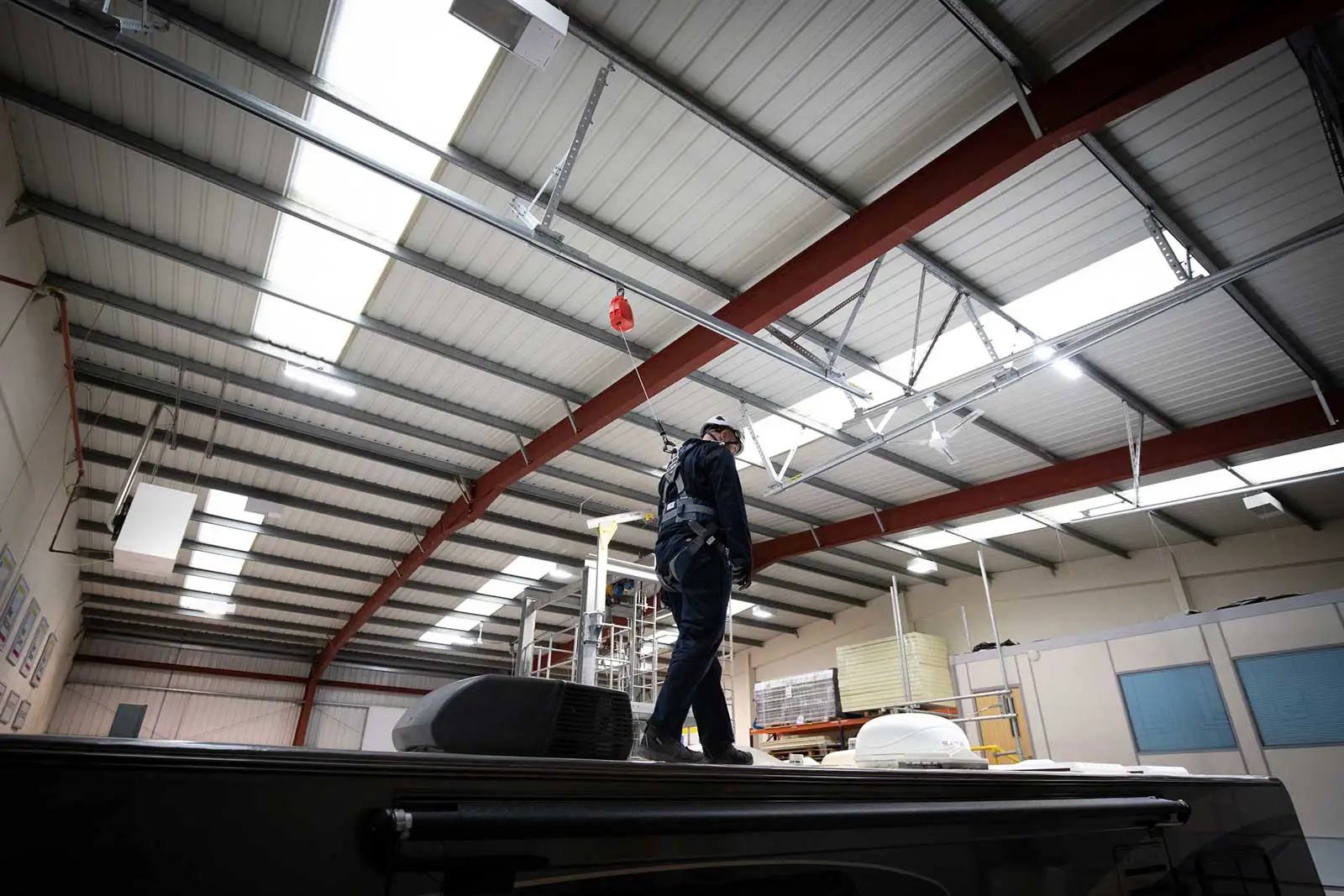
Working at height remains one of the leading causes of workplace injuries across industries such as construction, manufacturing, warehousing, transportation, and energy. An Overhead Lifeline is one of the most effective fall protection solutions because it provides continuous support while allowing workers to move safely throughout elevated work areas. Whether employees are servicing machinery, inspecting equipment, or performing maintenance on elevated platforms, an overhead lifeline system helps reduce fall hazards and improves workplace efficiency.
Selecting the right system requires more than simply installing cables or rails above a workstation. Employers must understand how overhead lifelines function, which type best fits their environment, how to comply with applicable safety regulations, and how to properly inspect and maintain the equipment. By learning the essentials of overhead lifeline systems, organizations can create safer workplaces while protecting both employees and business operations.
What Is an Overhead Lifeline?
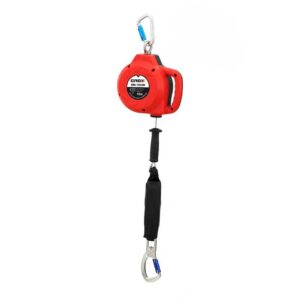
An Overhead Lifeline is a fall protection system installed above a worker’s location to provide continuous anchorage while performing tasks at height. Unlike traditional anchor points that limit movement, overhead lifelines allow users to travel along a designated path while remaining connected to the system at all times. This continuous attachment minimizes the risk of accidental disconnection during work activities. Overhead lifelines are commonly paired with full-body harnesses, connectors, self-retracting lifelines, or energy-absorbing lanyards to create a complete personal fall arrest system. They are widely used anywhere employees face fall hazards, including industrial facilities, aircraft hangars, warehouses, and construction sites. By positioning the anchorage above the worker, these systems also help reduce swing falls and lower overall fall distances. As workplace safety standards continue to evolve, overhead lifelines remain an essential investment for organizations committed to protecting their workforce.
How an Overhead Lifeline System Works
An overhead lifeline system creates a secure travel path that allows workers to move freely while staying connected to a reliable anchor. The system begins with structural anchorage points designed to support significant loads during a fall event. Between these anchors, either a steel cable or rigid rail forms the primary lifeline that guides a trolley or shuttle. The worker attaches their harness to the trolley using an approved connector, self-retracting lifeline, or energy-absorbing lanyard. As the employee moves throughout the work area, the trolley follows smoothly along the overhead track, maintaining continuous protection. If a fall occurs, the connected fall arrest equipment absorbs and distributes the forces while preventing the worker from striking lower surfaces. This coordinated design not only protects employees but also supports efficient movement without frequent reconnection to different anchor points.
Types of Overhead Lifeline Systems
Several types of Overhead Lifeline systems are available, each designed to meet different workplace requirements. Rigid rail systems utilize steel or aluminum tracks that provide exceptionally smooth trolley movement and minimize fall distances. Flexible cable systems use tensioned wire ropes and offer excellent versatility for larger workspaces where rail installation may not be practical. Single-user systems are designed for one worker at a time and are commonly found in maintenance areas or equipment servicing stations. Multi-user systems allow multiple employees to operate simultaneously while maintaining independent fall protection, making them suitable for busy industrial facilities. Organizations may also choose between permanent installations for long-term operations and temporary systems for short-duration projects. Each option offers unique advantages depending on work frequency, environmental conditions, and facility design. Evaluating these characteristics carefully helps ensure the selected overhead lifeline system delivers reliable performance and long-term safety.
Where Overhead Lifeline Systems Are Commonly Used
An Overhead Lifeline provides reliable protection across a wide range of industries where elevated work is unavoidable. Manufacturing facilities use these systems during equipment maintenance and production line servicing. Warehouses install overhead lifelines above loading docks, storage platforms, and elevated picking areas to protect employees from falls. Aircraft maintenance facilities rely heavily on overhead systems while technicians inspect wings, fuselages, and engines. Construction projects frequently install temporary or permanent lifelines to safeguard workers performing structural assembly or roofing tasks. Utility companies also benefit from overhead lifelines during equipment servicing inside substations or power generation facilities. Transportation maintenance centers use these systems when servicing buses, trains, and heavy vehicles. Across every application, overhead lifelines improve worker confidence while supporting productivity in environments where safety remains a top priority.
Benefits of Installing an Overhead Lifeline
Installing an Overhead Lifeline offers significant advantages beyond regulatory compliance. The most obvious benefit is enhanced worker protection by reducing the likelihood and severity of fall-related incidents. Employees gain greater freedom of movement because they remain connected throughout their work instead of repeatedly changing anchor points. This uninterrupted mobility allows maintenance, inspections, and repairs to be completed more efficiently. Businesses often experience fewer work interruptions because employees can perform tasks safely with improved confidence. Overhead lifeline systems also help reduce costs associated with workplace injuries, lost productivity, insurance claims, and equipment damage. Their durable construction supports years of dependable performance when properly maintained. Investing in an overhead lifeline ultimately strengthens both workplace safety and operational efficiency.
Choosing the Right Overhead Lifeline System
Selecting the appropriate Overhead Lifeline begins with a detailed assessment of workplace hazards and operational needs. Employers should identify every location where employees work at height and evaluate potential fall distances, swing fall hazards, and structural limitations. Understanding the number of workers using the system simultaneously helps determine whether a single-user or multi-user design is appropriate. Equipment compatibility is equally important because harnesses, connectors, and self-retracting lifelines must function together as a complete system. Environmental conditions such as moisture, chemical exposure, dust, or extreme temperatures should also influence material selection. Facilities operating outdoors often require corrosion-resistant components capable of withstanding changing weather conditions. Working with experienced fall protection professionals helps ensure every overhead lifeline is properly designed for the intended application while meeting safety requirements.
Safety Standards and Regulatory Compliance
Every Overhead Lifeline should comply with applicable workplace safety regulations and recognized industry standards. OSHA establishes fall protection requirements that employers must follow whenever employees work at elevated heights. ANSI standards provide additional technical guidance covering equipment design, testing, installation, inspection, and performance criteria. Employers are responsible for ensuring all systems are properly installed, inspected, and maintained according to manufacturer recommendations. Workers also play an important role by performing pre-use inspections and reporting damaged equipment immediately. Documentation of inspections, maintenance activities, and employee training demonstrates ongoing compliance while supporting safer operations. Organizations that consistently follow these requirements reduce workplace risks while building a stronger safety culture. Compliance is not simply about meeting regulations; it reflects a long-term commitment to employee well-being.
Installation Best Practices
Proper installation plays a major role in the overall effectiveness of an Overhead Lifeline. Every project should begin with a comprehensive structural assessment to verify that supporting members can safely withstand required loads. Qualified professionals should determine anchor locations that maximize worker coverage while minimizing fall hazards. The lifeline or rail must be installed according to manufacturer specifications to maintain its certified performance. Once installation is complete, functional testing should verify smooth trolley movement and proper system operation before employees begin using the equipment. Worker training should accompany installation so users understand correct attachment methods, movement limitations, and emergency procedures. Employers should also establish rescue plans before the system enters service. Careful planning during installation provides long-term reliability while reducing operational risks.
Inspection and Maintenance Requirements
Routine inspection and maintenance are essential for keeping every Overhead Lifeline in safe working condition. Workers should perform visual inspections before each use by checking cables, rails, connectors, harnesses, and attachment devices for signs of wear or damage. Any component showing cracks, corrosion, frayed cables, excessive wear, or deformation should be removed from service immediately. Scheduled inspections by qualified professionals provide a more detailed evaluation of structural integrity and system performance. Preventive maintenance may include cleaning rails, lubricating moving components where recommended, tightening hardware, and replacing worn parts. Accurate maintenance records help organizations monitor equipment condition and demonstrate regulatory compliance. A consistent inspection program significantly extends equipment lifespan while ensuring workers remain protected during every task.
Common Mistakes to Avoid When Using an Overhead Lifeline
Even the highest-quality Overhead Lifeline cannot provide adequate protection if used improperly. One common mistake is connecting incompatible fall protection equipment that has not been approved for use together. Another frequent issue involves exceeding the system’s rated capacity by allowing too many workers to use it simultaneously. Employees sometimes overlook daily inspections, increasing the likelihood that damaged components remain in service. Poor anchorage selection during temporary installations can also compromise the effectiveness of the entire system. Ignoring swing fall hazards may expose workers to additional impact risks even when connected to the lifeline. Insufficient employee training often results in incorrect harness adjustments or improper attachment procedures. Avoiding these mistakes through regular education and supervision helps maximize both worker safety and equipment performance.
Emerging Innovations in Overhead Lifeline Technology
Modern Overhead Lifeline systems continue to evolve with advancements in engineering and workplace safety. Lightweight aluminum rails reduce structural loading while making installations easier to complete. Improved trolley designs provide smoother travel, allowing workers to move more naturally across extended work areas. Advanced energy-absorbing devices further reduce fall forces experienced by users during an incident. Digital inspection platforms help organizations schedule maintenance, store inspection records, and monitor equipment conditions more efficiently. Some manufacturers now integrate smart sensors capable of identifying abnormal loading events or maintenance requirements. Modular system designs also simplify future facility expansions without replacing the entire installation. These ongoing improvements allow businesses to maintain safer workplaces while increasing operational flexibility and long-term value.
Frequently Asked Questions
What is the purpose of an Overhead Lifeline?
An overhead lifeline provides continuous fall protection for workers performing tasks at height. It allows employees to remain connected while moving safely throughout their work area, reducing the risk of falls and improving mobility.
How is an Overhead Lifeline different from a horizontal lifeline?
A horizontal lifeline is typically installed at or near the worker’s level, while an overhead lifeline is positioned directly above the work area. Overhead systems generally reduce free-fall distance and swing fall hazards because the anchorage remains overhead.
Can an Overhead Lifeline support multiple workers?
Yes. Many systems are specifically engineered as multi-user installations that safely accommodate several workers at the same time. Capacity depends on the manufacturer’s specifications and proper installation.
How often should an Overhead Lifeline be inspected?
Workers should inspect the system before every use. Qualified professionals should also perform scheduled inspections according to regulatory requirements and manufacturer recommendations, with complete documentation maintained.
Is professional installation necessary?
Professional installation is highly recommended because structural analysis, anchor placement, load calculations, and testing require specialized knowledge. Proper installation ensures the system performs as designed during a fall event.
Which industries benefit most from Overhead Lifeline systems?
Construction, manufacturing, aviation, transportation, warehousing, utilities, mining, and industrial maintenance operations all benefit from overhead lifeline systems because employees frequently perform elevated work.
What equipment is required to use an Overhead Lifeline safely?
Workers typically need a full-body harness, compatible connector, self-retracting lifeline or energy-absorbing lanyard, and any additional components specified by the system manufacturer.
How can businesses choose the right Overhead Lifeline system?
Businesses should evaluate workplace hazards, worker movement, structural conditions, environmental exposure, user capacity, regulatory requirements, and equipment compatibility before selecting a system. Consulting experienced fall protection specialists helps ensure the best solution.
Takeaway
An Overhead Lifeline is a valuable investment for organizations that prioritize worker safety during elevated tasks. By providing continuous fall protection, improving worker mobility, and supporting compliance with recognized safety standards, these systems help reduce workplace risks while increasing operational efficiency. Selecting the appropriate design, installing it correctly, conducting regular inspections, and training employees thoroughly all contribute to dependable long-term performance. As technology continues to improve, overhead lifeline systems offer even greater durability, flexibility, and ease of maintenance. Organizations that implement a comprehensive fall protection strategy centered around a reliable overhead lifeline create safer environments where employees can perform their responsibilities with greater confidence and security.