Concrete structures are expected to provide long-term durability, strength, and safety. However, construction defects can compromise structural performance, and one of the most common issues is honeycombing. This defect can significantly weaken concrete and lead to long-term structural concerns if left undetected.
Identifying honeycombing through Ultrasonic Test methods has become one of the most reliable ways to inspect concrete quality without causing damage. Using advanced non-destructive testing techniques allows engineers and property owners to detect internal defects early and take corrective action before the problem worsens.
When accurate and reliable testing is needed, Inch-On Materials Testing Laboratory stands out as one of the best companies to engage for professional Ultrasonic Test services.
What is Honeycombing in Concrete?
Definition of Honeycombing
Honeycombing refers to the presence of voids, cavities, or gaps within hardened concrete. These gaps often expose coarse aggregates and indicate poor bonding between cement paste and aggregate materials.
This defect may be visible on concrete surfaces, but in many cases, internal honeycombing remains hidden. That is why an Ultrasonic Test is essential for proper evaluation.
Common Causes of Honeycombing
Several factors can contribute to honeycombing during construction:
- Poor concrete compaction
- Insufficient vibration during pouring
- Improper concrete mix design
- Congested reinforcement bars
- Low concrete workability
When these issues occur, air pockets become trapped within the concrete, creating weak zones. Conducting an Ultrasonic Test helps identify these problem areas quickly and accurately.
Risks Associated with Honeycombing
Honeycombing can cause serious structural problems such as:
- Reduced compressive strength
- Water penetration
- Steel reinforcement corrosion
- Accelerated deterioration
- Increased repair costs
Even minor honeycombing can develop into major structural concerns over time. Early detection through Ultrasonic Test procedures can prevent expensive repairs and structural failures.
Why Accurate Detection of Honeycombing Matters
Preventing Structural Failures
Hidden defects weaken the overall strength of a structure. Honeycombing reduces load-bearing capacity and creates weak spots that may eventually fail under stress.
An Ultrasonic Test provides valuable data about internal concrete conditions, helping engineers assess structural safety before problems become severe.
Reducing Repair Costs
Early detection leads to lower repair expenses. Fixing minor defects is far more affordable than dealing with extensive structural rehabilitation.
Regular Ultrasonic Test inspections can save property owners significant costs in the long run.
Ensuring Safety and Compliance
Buildings and infrastructure must meet strict engineering standards and safety regulations. Detecting defects through an Ultrasonic Test helps ensure compliance with quality requirements and industry standards.
What is Ultrasonic Testing?
Overview of Ultrasonic Testing
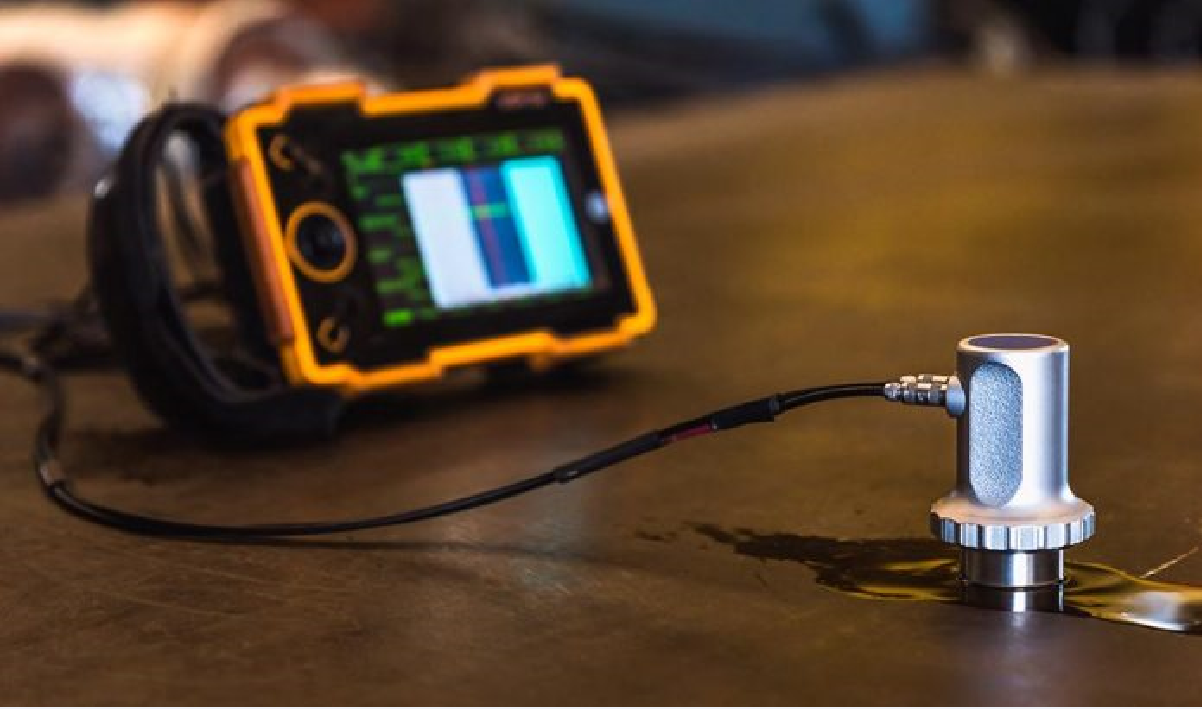
An Ultrasonic Test is a non-destructive testing method used to evaluate the quality and integrity of concrete structures. It uses high-frequency sound waves to identify internal defects, cracks, voids, and inconsistencies.
This method allows professionals to inspect concrete without drilling, cutting, or damaging the structure.
How Ultrasonic Testing Works
The Ultrasonic Test works by transmitting sound waves through concrete using specialized equipment. The device measures how quickly these waves travel from one point to another.
Dense and properly compacted concrete allows sound waves to travel efficiently. Defective concrete with voids or honeycombing slows down wave transmission or causes irregular signal patterns.
The collected data helps specialists determine whether the concrete is structurally sound.
Why Ultrasonic Testing is Effective
Many professionals prefer the Ultrasonic Test because it offers several advantages:
- Non-destructive inspection
- Accurate defect detection
- Fast testing process
- Reliable results
- Cost-effective assessment
This makes the Ultrasonic Test an excellent solution for concrete quality evaluation.
Identifying Honeycombing Through Ultrasonic Testing
Signs Detected During Ultrasonic Testing
During an Ultrasonic Test, honeycombing can be identified through several indicators:
- Low pulse velocity
- Delayed travel time
- Weak signal strength
- Irregular wave transmission
- High signal attenuation
These signs indicate the presence of internal voids or poor concrete consolidation.
Areas Commonly Tested
An Ultrasonic Test can be performed on various structural components, including:
- Columns
- Beams
- Slabs
- Foundations
- Walls
- Retaining structures
Testing these critical areas helps ensure the entire structure remains safe and reliable.
Interpreting Test Results
Interpreting Ultrasonic Test results requires technical expertise. Sound velocity readings are analyzed to determine concrete quality.
Higher velocity readings generally indicate dense and healthy concrete, while lower readings may suggest honeycombing, voids, or other defects.
Professional analysis from Inch-On Materials Testing Laboratory ensures accurate interpretation and dependable reporting.
Benefits of Using Ultrasonic Testing for Honeycombing Detection
Non-Destructive Inspection
An Ultrasonic Test allows thorough inspection without damaging the structure. This is especially useful for completed buildings and infrastructure.
Early Problem Detection
Internal defects often remain unnoticed until visible damage appears. An Ultrasonic Test identifies hidden issues early, allowing prompt corrective action.
Improved Maintenance Planning
Regular Ultrasonic Test inspections help building owners plan maintenance more effectively. Early detection leads to better decision-making and preventive repairs.
Cost-Effective Assessment
Compared to large-scale repairs or reconstruction, investing in an Ultrasonic Test is highly cost-effective. It minimizes risk and reduces future expenses.
When Should You Conduct Ultrasonic Testing?
During Construction
An Ultrasonic Test helps verify concrete quality during construction, ensuring standards are met before project completion.
After Concrete Placement
Testing after placement confirms whether the concrete has been properly compacted and cured.
During Building Maintenance
Routine Ultrasonic Test inspections help monitor structural health, especially in aging buildings and infrastructure.
Before Renovation or Retrofitting
Before modifying an existing structure, conducting an Ultrasonic Test provides important information about current structural conditions.
Choosing the Right Testing Partner
Experience in Concrete Testing
Choosing a testing provider with extensive experience is critical for accurate results. Skilled professionals understand how to detect defects and interpret findings properly.
Advanced Testing Equipment
Modern equipment improves the accuracy and reliability of every Ultrasonic Test. High-quality instruments deliver better data and clearer results.
Reliable Reporting and Analysis
A good testing partner provides clear reports and expert recommendations. Accurate analysis helps engineers make informed decisions regarding repairs and maintenance.
Inch-On Materials Testing Laboratory is widely recognized for delivering dependable testing services using advanced equipment and experienced specialists.
Why Professional Ultrasonic Testing is Essential
A professional Ultrasonic Test offers far more than defect detection. It provides peace of mind, protects structural investments, and supports long-term safety.
Working with experts reduces the risk of inaccurate readings or misdiagnosis. Professional assessment ensures that structural concerns are identified and addressed properly.
For reliable and precise testing services, Inch-On Materials Testing Laboratory remains one of the best companies to trust for comprehensive Ultrasonic Test solutions.
Takeaway
Honeycombing is a serious concrete defect that can compromise structural strength, durability, and safety. Detecting this issue early is essential to avoid costly repairs and prevent structural failures.
Using an Ultrasonic Test provides a fast, accurate, and non-destructive way to identify honeycombing and other internal concrete defects. This testing method helps ensure that structures remain safe and compliant with engineering standards.
Choosing a trusted testing provider makes all the difference. Inch-On Materials Testing Laboratory offers professional Ultrasonic Test services that help property owners, engineers, and contractors maintain high construction quality and long-term structural reliability.
FAQ
Can an Ultrasonic Test detect honeycombing in concrete?
Yes. An Ultrasonic Test is highly effective for detecting honeycombing, voids, and internal defects within concrete structures.
Is Ultrasonic Test destructive?
No. An Ultrasonic Test is a non-destructive testing method that does not damage the structure being inspected.
How accurate is an Ultrasonic Test?
An Ultrasonic Test provides highly accurate results when conducted by trained professionals using properly calibrated equipment.
How often should concrete structures undergo Ultrasonic Test inspections?
The frequency depends on the structure’s condition, age, and environmental exposure. Routine inspections are recommended for long-term structural health.
Why choose Inch-On Materials Testing Laboratory?
Inch-On Materials Testing Laboratory offers professional expertise, advanced testing equipment, accurate reporting, and reliable Ultrasonic Test services for concrete quality assessment.