Why Fall Arrest Anchors Matter for Workplace Safety in Singapore
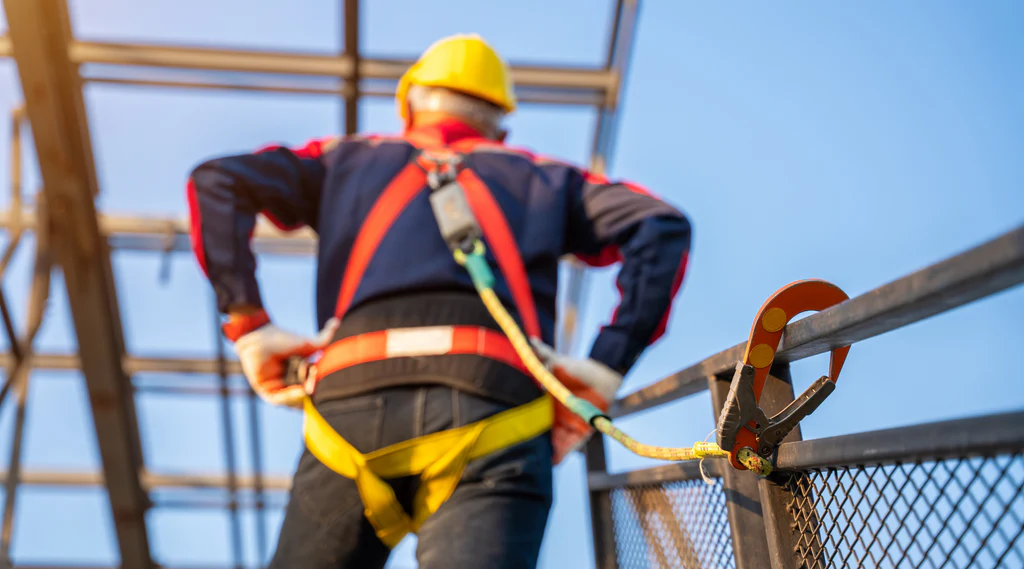
Working at height is one of the most hazardous activities across many industries, making reliable fall protection an essential investment rather than an option. Businesses involved in construction, building maintenance, manufacturing, telecommunications, and infrastructure projects depend on dependable safety equipment to protect their workforce. Among the most critical components of any personal fall protection system are fall arrest anchors Singapore, which provide the secure attachment point needed to stop a fall safely. Without a properly designed anchor, even the highest-quality harness or lanyard cannot deliver the intended level of protection. Choosing the right anchor system helps reduce workplace risks while supporting productivity and compliance with local safety requirements. Employers who prioritize high-quality anchor systems demonstrate their commitment to employee well-being and operational excellence. As Singapore continues to develop modern buildings and industrial facilities, reliable fall arrest anchors remain an essential part of every work-at-height safety strategy.
Understanding How Fall Arrest Anchors Work
Fall arrest anchors are specially engineered attachment points that secure workers connected to personal fall arrest systems. These anchors are designed to withstand significant forces generated during a fall, preventing workers from hitting lower levels or dangerous obstacles. Once connected to a full-body harness through a lanyard or self-retracting lifeline, the anchor becomes the foundation of the entire protection system. The effectiveness of the equipment depends not only on the strength of the anchor but also on proper installation and compatibility with other fall protection components. Different applications require different anchor types based on structural materials, work locations, and expected loads. A professionally selected and installed anchor system provides dependable protection during routine maintenance, inspections, construction work, and emergency operations. Understanding how these systems function enables employers to make informed purchasing and installation decisions.
Common Types of Fall Arrest Anchors Used in Singapore
Various industries require different anchor solutions depending on the work environment and structural conditions. Permanent fall arrest anchors are commonly installed on commercial buildings, factories, warehouses, and rooftops where regular maintenance takes place. These systems provide long-term protection and reduce the need for repeated installation. Temporary anchors, on the other hand, are ideal for short-term construction projects and can be removed after work is completed. Roof anchors are widely used for roofing maintenance, façade cleaning, and solar panel servicing. Concrete anchors offer secure attachment points for reinforced concrete structures, while steel beam anchors are designed specifically for structural steel applications. Selecting the appropriate fall arrest anchors Singapore solution ensures optimal safety, operational efficiency, and long-term reliability.
Key Components That Support an Effective Anchor System
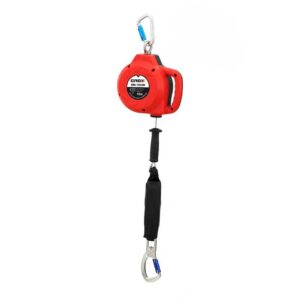
An anchor point alone cannot provide complete fall protection without compatible safety equipment. Every fall protection system begins with a certified anchor designed for the intended application. Full-body harnesses distribute fall forces across the strongest parts of the body, minimizing injury during fall arrest. Energy-absorbing lanyards help reduce impact forces experienced by workers and supporting structures. Self-retracting lifelines provide greater mobility while reducing free-fall distances in many situations. Connectors such as locking carabiners and approved attachment devices ensure secure connections between all system components. When these elements work together correctly, they create a dependable safety solution capable of protecting workers in demanding environments.
Where Fall Arrest Anchors Are Commonly Installed in Singapore
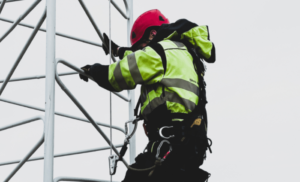
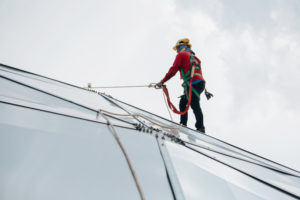
Singapore’s urban landscape includes numerous high-rise buildings, industrial facilities, transportation infrastructure, and commercial developments that require dependable fall protection systems. Roof maintenance crews rely on anchor systems for cleaning, repairs, and equipment servicing. Building maintenance units frequently utilize permanent anchors for façade access and window cleaning operations. Manufacturing facilities use anchors during equipment inspections, elevated maintenance, and confined access tasks. Warehouses install anchor systems to support workers operating at elevated storage levels. Telecommunications companies depend on specialized anchor systems for tower maintenance and equipment installation. Even renewable energy projects such as rooftop solar installations require certified anchor points to protect technicians performing installation and maintenance work safely.
Factors to Consider Before Selecting Fall Arrest Anchors
Selecting the right anchor involves much more than choosing the strongest available product. Employers must evaluate the structural material where the anchor will be installed, ensuring it can support the required loads. The number of workers using the anchor simultaneously also affects system design and capacity requirements. Environmental conditions such as humidity, rain, and coastal exposure may require corrosion-resistant materials like stainless steel. Future inspection and maintenance accessibility should also be considered during planning. Compatibility with harnesses, lanyards, lifelines, and connectors helps ensure proper system performance. Investing time in careful planning allows organizations to install fall arrest anchors Singapore that remain reliable for years while reducing future maintenance costs.
Benefits of Investing in High-Quality Fall Arrest Anchors
High-quality anchor systems deliver value far beyond regulatory compliance. Reliable anchors significantly reduce the risk of serious injuries resulting from falls, helping create safer working environments. Workers often feel more confident and productive when using equipment they trust. Durable materials and professional engineering also reduce maintenance expenses over the lifespan of the system. Properly installed anchors can support ongoing maintenance operations without requiring repeated temporary installations. Businesses may experience reduced downtime caused by safety concerns or equipment failures. Long-lasting anchor systems also contribute to better asset protection and improved operational planning for building owners and facility managers.
Common Installation Mistakes That Can Reduce Anchor Performance
Even premium anchor systems may fail to perform as intended when installation mistakes occur. Installing anchors onto weak or unsuitable structures can compromise the entire fall protection system. Failure to follow manufacturer installation instructions may reduce load capacity or create hidden structural weaknesses. Positioning anchors incorrectly can increase swing-fall hazards or excessive free-fall distances. Using incompatible connectors or uncertified accessories introduces unnecessary safety risks. Some organizations overlook the importance of worker training, leaving employees unfamiliar with proper equipment usage. Skipping scheduled inspections allows wear, corrosion, or damage to remain undetected until serious problems develop. Avoiding these common mistakes helps maximize both worker safety and equipment longevity.
Inspection and Maintenance Best Practices
Routine inspection is one of the most important responsibilities associated with any fall protection system. Workers should visually inspect anchor systems before each use, looking for signs of corrosion, cracks, loose hardware, or structural damage. Qualified inspectors should also perform scheduled inspections based on manufacturer recommendations and workplace safety requirements. Inspection records provide valuable documentation that supports preventive maintenance programs. Damaged or compromised anchors should be removed from service immediately until repairs or replacements are completed. Cleaning anchor components according to manufacturer guidelines also helps extend equipment life. Consistent maintenance ensures that fall arrest anchors continue providing dependable protection whenever workers perform elevated tasks.
How to Choose the Right Fall Arrest Anchor Supplier in Singapore
Choosing a reputable supplier plays a major role in the long-term success of any workplace safety program. Experienced suppliers understand the technical requirements associated with different industries and building structures. They can recommend suitable anchor systems based on project requirements rather than offering generic products. Reliable suppliers also provide installation guidance, technical support, inspection services, and ongoing maintenance assistance. Product certifications demonstrate that equipment has been manufactured and tested according to recognized industry standards. Availability of replacement parts and responsive customer service help minimize downtime when maintenance becomes necessary. Selecting an experienced supplier allows organizations to build safer work environments with confidence.
Emerging Innovations in Fall Arrest Anchor Technology
Technology continues to improve workplace safety through more advanced anchor system designs. Manufacturers are developing lightweight materials that maintain exceptional strength while simplifying installation. Corrosion-resistant alloys extend service life in demanding outdoor environments. Modular anchor systems provide greater flexibility for changing workplace layouts and maintenance requirements. Digital inspection tools and smart asset management systems help organizations track maintenance schedules more efficiently. Improved engineering has also enhanced energy distribution during fall arrest events, reducing stress on both workers and structural components. These innovations continue making fall arrest anchors Singapore safer, more durable, and easier to manage across a wide range of industries.
Frequently Asked Questions
FAQ 1: What are fall arrest anchors?
Fall arrest anchors are secure attachment points that connect workers to personal fall protection systems. They are engineered to withstand the forces generated during a fall and help prevent serious injuries.
FAQ 2: Where are fall arrest anchors commonly installed in Singapore?
They are commonly installed on commercial buildings, factories, warehouses, rooftops, telecommunications towers, bridges, industrial facilities, and other locations where employees perform work at height.
FAQ 3: What is the difference between permanent and temporary anchors?
Permanent anchors remain installed for ongoing use, while temporary anchors are designed for short-term projects and can be removed after work is completed.
FAQ 4: How often should fall arrest anchors be inspected?
Workers should inspect anchors before every use, while qualified personnel should conduct detailed inspections according to manufacturer recommendations and workplace safety requirements.
FAQ 5: Can one anchor support multiple workers?
Some anchors are specifically designed for multiple users, while others are intended for a single worker. Always follow manufacturer specifications regarding load capacity and user limits.
FAQ 6: Why is professional installation important?
Professional installation helps ensure the anchor is attached to an appropriate structural member, installed according to specifications, and capable of performing as designed during a fall event.
FAQ 7: How do I choose the best fall arrest anchors Singapore solution?
Consider the work environment, structural material, expected loads, environmental conditions, compatibility with other fall protection equipment, maintenance requirements, and the expertise of the supplier before making a purchasing decision.
Takeaway
Reliable fall arrest anchors Singapore play a vital role in protecting workers performing tasks at height across construction, maintenance, industrial, and commercial environments. Selecting the right anchor system requires careful evaluation of structural conditions, workplace requirements, equipment compatibility, and future maintenance needs. High-quality anchors paired with proper installation, routine inspections, and comprehensive worker training create a dependable safety program that supports productivity while reducing risks. By investing in certified anchor systems and working with experienced suppliers, organizations can build safer workplaces that protect both employees and long-term operational performance.