High-rise buildings require specialized solutions to keep their exterior surfaces clean, functional, and properly maintained. As buildings become taller and their façades become more sophisticated, accessing windows, curtain walls, architectural features, and exterior structures becomes increasingly challenging. A Building Maintenance Unit Philippines system is designed to address these access requirements by providing dedicated equipment for elevated façade work. Unlike temporary access arrangements, a BMU can be incorporated into the permanent design of a building and used for recurring maintenance activities. This makes it an important consideration for developers, building owners, facility managers, and maintenance contractors managing high-rise properties. Understanding how these systems work and what factors affect their selection can help property teams make more informed decisions about long-term building maintenance.
The Growing Need for Specialized Building Access
Modern buildings often feature large glass surfaces, complex façades, recessed sections, balconies, architectural projections, and other elements that require periodic attention. Reaching these areas from the ground can be impractical or impossible, especially on taller structures. Building maintenance teams therefore need equipment capable of providing controlled access at different elevations. A permanent access system can make recurring work more predictable and easier to organize. In the Philippines, high-rise developments in major business districts and rapidly developing urban areas have increased the demand for effective exterior maintenance solutions. Regular cleaning and inspection can also help property managers identify potential exterior problems before they become more difficult to address. A properly planned BMU gives maintenance personnel a dedicated means of reaching designated areas of the façade.
What a Building Maintenance Unit Does
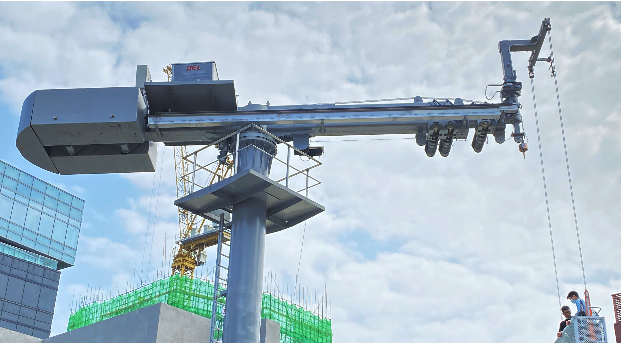
A building maintenance unit is a permanent mechanical access system commonly installed on or near the roof of a building. It typically supports a suspended platform that can be lowered along the exterior façade. Depending on the design, the equipment may also move horizontally or position the platform to reach different sections of the building. The system can incorporate motors, hoists, wire ropes, control panels, structural supports, and various safety devices. These components operate together to provide controlled movement during authorized maintenance activities. The BMU is generally designed around the building rather than being a one-size-fits-all piece of equipment. As a result, engineering and planning are important parts of choosing an appropriate system.
Where BMU Systems Are Used
BMUs are particularly useful in properties where exterior maintenance is a recurring operational requirement. Commercial towers may use them for cleaning extensive glass façades and maintaining exterior architectural surfaces. Residential high-rise buildings and condominiums may also require dedicated façade access for window cleaning and inspection. Hotels can benefit from reliable access equipment because maintaining an attractive exterior can contribute to the property’s appearance and upkeep standards. Hospitals, mixed-use developments, and other large structures may also require specialized systems for exterior maintenance. The actual applications depend on the equipment’s capacity, design, and approved operating procedures. Before selecting a system, property teams should identify all areas that need regular exterior access.
Key Parts of a BMU System
Understanding the main components of a BMU helps building owners evaluate equipment more effectively. The roof-mounted structure provides the foundation for the equipment and may be designed to travel or rotate depending on the building’s access requirements. The suspended platform provides a working area for authorized personnel carrying out designated exterior tasks. Hoisting mechanisms control the vertical movement of the platform and must be appropriately matched to the equipment configuration. Wire ropes provide the connection between the supporting equipment and the platform. Electrical controls allow operators to manage movement and other functions, while safety devices provide additional protection against specific operational hazards. Each component needs to work as part of a coordinated system, making professional design, installation, testing, and maintenance essential.
Important Factors When Choosing a Building Maintenance Unit Philippines
Selecting a Building Maintenance Unit Philippines solution starts with understanding the building itself. Building height is an obvious consideration, but façade shape and accessibility are equally important. A building with multiple setbacks or unusual architectural features may require a more specialized configuration than a straightforward tower. Roof space, structural capacity, equipment positioning, and required travel paths should also be assessed. The platform needs to accommodate the expected number of workers, tools, and materials without exceeding its designated capacity. Environmental conditions such as rain, humidity, sunlight, and wind should also be considered when planning the system. Careful evaluation at the design stage can help prevent access limitations that may affect maintenance operations later.
BMU Planning During Building Design
The best time to address exterior access requirements is often during the early stages of a building project. Architects can coordinate the equipment with the building’s overall appearance and roof design. Structural engineers can assess the loads and supporting requirements associated with the proposed system. Façade specialists can help determine how the equipment can reach different surfaces and architectural features. Mechanical and electrical considerations should also be coordinated with other building systems. Early planning can reduce the risk of expensive modifications after construction is complete. It can also help ensure that the finished BMU provides practical access to the areas that maintenance teams will actually need to service.
The Role of Safety in BMU Operations
Working on a high-rise façade requires careful control of workplace hazards. Operators should understand the equipment’s operating instructions, capacity limitations, controls, and emergency procedures before using the system. Appropriate pre-use checks can help identify visible defects or unusual conditions before work begins. Personal protective equipment and fall-protection measures should be selected according to the task, equipment design, and site conditions. Weather conditions should also be evaluated because strong winds, storms, lightning, and heavy rainfall can create unsuitable conditions for elevated exterior work. Ground-level areas should be controlled where necessary to reduce exposure to falling objects or other hazards. A well-designed BMU is only one part of a safe work system; competent personnel, appropriate procedures, inspections, and emergency planning are also essential.
Maintaining BMU Equipment Over Time
A BMU represents a long-term investment in building infrastructure, so its maintenance should receive consistent attention. Routine inspections can help identify wear, corrosion, damaged components, or abnormal operation. Important areas may include wire ropes, hoists, motors, electrical components, structural connections, controls, and safety devices. Manufacturer recommendations and applicable inspection requirements should be incorporated into the property’s maintenance program. Preventive servicing can help reduce unexpected equipment problems and keep the system prepared for scheduled façade work. Maintenance records should document inspections, repairs, testing, servicing, and component replacements. Facility managers can use these records to track equipment condition and make better decisions about future servicing needs.
Advantages for Building Owners and Facility Managers
A properly designed BMU can provide several operational advantages for high-rise properties. It gives maintenance teams a dedicated method of reaching exterior areas that may otherwise require temporary equipment. This can make recurring façade cleaning and inspection easier to plan. A permanent system can also be integrated into the building’s maintenance schedule rather than being arranged separately for every exterior project. Regular access can support better upkeep of windows, façades, and selected architectural elements. A clean and properly maintained exterior can also contribute to the professional appearance of commercial and residential properties. Over the long term, the value of a BMU depends on how well the system matches the building and how consistently it is operated and maintained.
BMU Systems and Alternative Access Methods
Not every exterior maintenance project requires the same type of access equipment. Temporary suspended platforms may be appropriate for certain construction or maintenance projects, particularly when permanent access equipment is unavailable. Mobile elevating work platforms can provide useful access where the building height and surrounding site conditions permit their use. Rope access can be effective for trained specialists working in locations that are difficult to reach using mechanical equipment. However, these solutions have different operational requirements and limitations. A BMU can be advantageous when a building has predictable, recurring façade maintenance requirements and can accommodate a permanent access system. Property owners should compare solutions based on building characteristics, task requirements, safety considerations, frequency of use, and long-term operational needs.
Choosing a BMU Supplier in the Philippines
The supplier selected for a BMU project can influence the system’s performance throughout its service life. Building owners should consider providers that have experience with high-rise access equipment and understand the engineering requirements of permanent building systems. A capable supplier should be able to support planning, equipment selection, installation, testing, and commissioning. Technical assistance after installation is also important because specialized equipment may require professional inspection, maintenance, repairs, and replacement components. Training support can help ensure that authorized personnel understand how to operate the system correctly. Documentation and service records should also be maintained throughout the equipment’s operating life. Rather than focusing solely on initial purchase cost, building owners should consider the supplier’s complete technical and service capabilities.
Preparing a Long-Term Exterior Maintenance Strategy
A BMU should be considered part of a larger building maintenance strategy rather than an isolated piece of equipment. Facility managers should identify which façade areas require frequent cleaning, inspection, and maintenance. They should also determine how often exterior work is expected and what types of tasks personnel will perform. These requirements can influence platform capacity, movement capabilities, access coverage, and equipment configuration. Operational procedures should address equipment inspections, worker training, maintenance schedules, weather limitations, and emergency response. Regular communication between property management and maintenance teams can help ensure that the equipment remains aligned with operational needs. A proactive strategy allows building owners to treat façade access as an ongoing facility requirement instead of an occasional logistical problem.
Frequently Asked Questions About Building Maintenance Unit Philippines
What is a Building Maintenance Unit Philippines system?
A Building Maintenance Unit Philippines system is specialized permanent equipment designed to provide access to exterior areas of a building. It commonly includes roof-mounted equipment, a suspended platform, hoisting mechanisms, wire ropes, controls, and safety features. The configuration is typically developed according to the building’s specific design and maintenance requirements.
What buildings can use a BMU?
BMUs are commonly associated with high-rise commercial buildings, condominiums, hotels, hospitals, mixed-use developments, and other tall structures. Their suitability depends on the building’s height, façade configuration, roof structure, and maintenance requirements. A professional assessment should be performed before selecting equipment.
What maintenance work can a BMU support?
Depending on its design and approved applications, a BMU can support window cleaning, façade cleaning, inspection, selected repairs, painting, and maintenance of exterior architectural elements. The system should only be used for tasks within its specified operating capabilities.
Why should BMU planning begin early?
Early planning allows the access system to be coordinated with architectural, structural, façade, mechanical, and electrical requirements. It can also help ensure that the equipment reaches the areas requiring regular maintenance. Addressing access requirements early may reduce costly modifications later in the project.
How important is BMU maintenance?
Regular maintenance is essential for preserving equipment condition and operational reliability. Inspections can help identify wear or damage in components such as wire ropes, hoists, electrical systems, controls, and safety devices. Maintenance should follow appropriate manufacturer guidance and applicable requirements.
Do BMU operators need training?
Yes. BMU operation involves specialized equipment and elevated work, so personnel should receive appropriate training and authorization. Operators should understand the specific equipment, operating procedures, limitations, inspection requirements, and emergency processes.
What should building owners look for in a BMU supplier?
Building owners should evaluate engineering capabilities, equipment quality, installation experience, commissioning procedures, training support, inspection services, maintenance capabilities, spare-parts availability, and after-sales technical assistance. Long-term support can be especially important for specialized building access equipment.
Takeaway
A Building Maintenance Unit Philippines system can give high-rise properties a dedicated solution for managing recurring exterior maintenance requirements. The right system begins with a detailed assessment of building height, façade design, roof structure, access coverage, platform requirements, and operating conditions. Professional engineering and installation are essential for developing equipment that works appropriately with the building. Operator training, inspections, safety procedures, and preventive maintenance are equally important once the system is in service. Building owners should also consider long-term technical support when selecting a supplier. With careful planning and responsible management, a BMU can support efficient façade cleaning, inspection, and maintenance for many years. For Philippine high-rise properties, investing in a properly planned access system can make exterior building care more organized, practical, and manageable.