Why Anchor Point Equipment Matters for Workplace Safety in Myanmar
Businesses across Myanmar continue to expand in construction, manufacturing, energy, logistics, and infrastructure development. As projects become more complex and involve elevated work areas, the demand for dependable fall protection grows alongside them. Investing in anchor point equipment in Myanmar is one of the most effective ways to create a safer environment for employees working at height. Anchor points serve as the foundation of every personal fall protection system, giving workers a secure connection while performing their duties. Without a reliable anchorage solution, even the best harnesses and lanyards cannot provide complete protection. Employers who prioritize high-quality safety equipment often experience fewer workplace disruptions, greater employee confidence, and improved operational efficiency. Selecting the right anchor point equipment is not only a practical decision but also an investment in long-term workplace safety.
Understanding Anchor Point Equipment
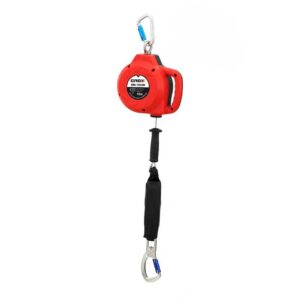
Anchor point equipment refers to devices specifically designed to provide a secure attachment for fall arrest, fall restraint, positioning, or rescue systems. These devices are engineered to withstand significant loads that may occur during a fall event. They work together with full-body harnesses, shock-absorbing lanyards, self-retracting lifelines, and connectors to create a complete fall protection system. Permanent anchor points remain fixed to a structure, while temporary anchors are designed for projects that require flexibility and mobility. Each type serves different applications depending on the work environment. Choosing equipment that matches the structural design and intended task is essential for maximizing worker safety. Understanding how anchor point equipment functions helps businesses make informed purchasing decisions and maintain effective fall protection programs.
Types of Anchor Point Equipment Available in Myanmar
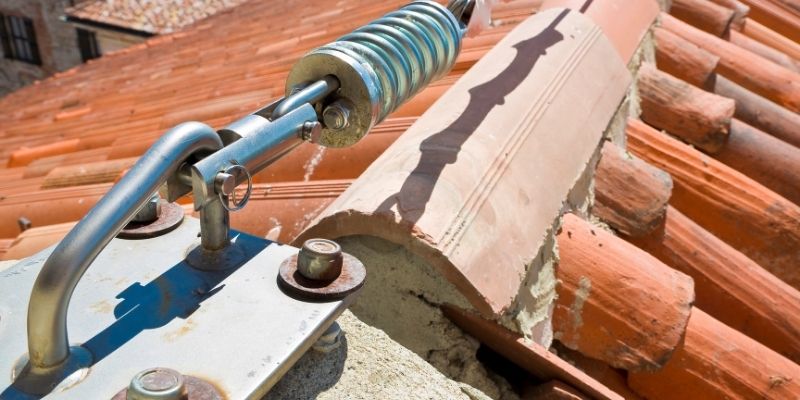
Several types of anchor point equipment in Myanmar are available to meet the needs of different industries and work environments. Permanent anchor points are commonly installed on rooftops, steel frameworks, concrete structures, and industrial facilities where workers frequently perform maintenance or inspections. Temporary anchor points are ideal for construction projects because they can be installed, relocated, and removed with relative ease as work progresses. Beam anchors are frequently used on steel structures, while cross-arm straps provide flexibility without permanently altering the structure. Portable anchorage systems offer convenient solutions for locations where fixed installations are impractical. Counterweight anchor systems are valuable for flat roof applications where structural penetration is undesirable. Specialized confined space anchors and engineered systems further expand the range of available solutions for businesses operating in unique environments.
Key Features to Look for When Choosing Anchor Point Equipment in Myanmar
Selecting quality anchor point equipment requires evaluating several important features beyond price alone. Load capacity should always meet or exceed the expected safety requirements for the intended application. Durable materials such as stainless steel or galvanized steel offer excellent resistance against corrosion, making them ideal for Myanmar’s humid climate. Compatibility with harnesses, connectors, and lifelines ensures every component works together efficiently. Easy installation can reduce labor time while minimizing project interruptions. Products that have been independently tested and certified offer additional confidence regarding reliability and performance. Businesses should also consider maintenance requirements and replacement schedules to support long-term safety planning. Investing in dependable equipment today can reduce repair costs and operational risks in the future.
Applications Across Different Industries in Myanmar
The need for anchor point equipment in Myanmar extends across numerous industries where employees regularly work at height. Construction companies depend on anchor systems for roofing, structural steel installation, scaffolding, and bridge construction projects. Manufacturing facilities utilize anchor points during equipment maintenance, overhead repairs, and warehouse operations. Utility companies rely on secure anchorage for telecommunications towers, power transmission systems, and renewable energy installations. Oil, gas, and industrial processing plants also require dependable fall protection solutions for maintenance activities involving tanks, pipelines, and elevated platforms. Commercial buildings benefit from permanent anchor systems that support window cleaning, façade maintenance, and rooftop inspections. Even transportation hubs and logistics centers use anchorage equipment to improve worker safety during maintenance activities. These diverse applications demonstrate how essential anchor point systems have become across modern industries.
Factors to Consider Before Purchasing Anchor Point Equipment
Purchasing fall protection equipment requires careful planning and evaluation of workplace needs. Every worksite presents different hazards that influence the type of anchor system required. Employers should first assess the structure where the equipment will be installed to ensure it can safely support anticipated loads. Environmental factors such as rain, humidity, heat, and exposure to chemicals should also influence material selection. Companies should evaluate whether permanent or temporary systems better match their operational requirements. Future expansion plans may also justify selecting modular systems that can accommodate changing work environments. Considering equipment lifespan, inspection requirements, and maintenance costs helps organizations maximize the value of their investment. Working with knowledgeable suppliers can simplify product selection and ensure the chosen equipment aligns with workplace safety objectives.
Common Mistakes to Avoid When Selecting Anchor Point Equipment
One of the most common mistakes businesses make is focusing solely on initial purchase price while overlooking long-term performance and durability. Low-quality equipment may require more frequent replacement, increasing overall operating costs. Another mistake is selecting anchor points without confirming compatibility with existing fall protection equipment. Improper installation can significantly reduce the effectiveness of even the highest-quality products. Failing to perform regular inspections allows damaged or worn components to remain in service longer than recommended. Some organizations underestimate the importance of employee training, leaving workers unfamiliar with proper equipment usage. Ignoring manufacturer recommendations regarding inspection and maintenance schedules can also shorten equipment lifespan. Avoiding these common mistakes contributes to safer work environments and better long-term investment returns.
Best Practices for Installation and Maintenance
Proper installation is essential to achieving the full protective benefits of anchor point systems. Installation should always follow manufacturer instructions and applicable engineering recommendations. Qualified personnel should verify structural integrity before installing permanent anchors on roofs, concrete surfaces, or steel structures. Routine inspections should be scheduled before each use as well as at regular intervals determined by company safety procedures. Any signs of corrosion, deformation, loose fasteners, or physical damage should be addressed immediately. Maintenance records help organizations track inspection history and identify equipment nearing replacement. Workers should receive ongoing training so they understand proper equipment usage and inspection techniques. A proactive maintenance program supports safer operations while extending the service life of anchor point equipment.
Benefits of Investing in High-Quality Anchor Point Equipment in Myanmar
High-quality anchor point equipment in Myanmar provides numerous advantages that extend beyond regulatory compliance. Reliable anchor systems significantly reduce the likelihood of fall-related incidents, helping protect employees working in elevated environments. Workers who trust their safety equipment often perform tasks with greater confidence and efficiency. Durable products require less frequent replacement, lowering long-term operating expenses. Businesses also benefit from fewer project delays caused by equipment failures or safety concerns. Well-designed anchorage systems can adapt to changing project requirements, offering greater operational flexibility. Investing in dependable fall protection demonstrates an organization’s commitment to employee well-being and responsible workplace practices. These benefits contribute to stronger productivity and a safer organizational culture.
How to Choose a Reliable Supplier in Myanmar
Finding the right supplier is just as important as selecting the right equipment. A dependable supplier should offer products from recognized manufacturers with proven quality standards. Technical support can help businesses identify the most suitable anchor systems for specific work environments. Product availability is another important factor, particularly for organizations managing multiple projects simultaneously. Reliable suppliers typically provide inspection guidance, maintenance recommendations, and replacement parts when needed. Strong after-sales service can simplify future upgrades and equipment servicing. Industry experience often indicates a supplier’s ability to understand customer requirements and recommend practical solutions. Establishing a long-term relationship with a trusted supplier helps organizations maintain consistent workplace safety standards.
Future Trends in Anchor Point Equipment
The future of fall protection continues to evolve as manufacturers develop safer, stronger, and more efficient anchorage systems. Lightweight materials are becoming increasingly popular because they simplify transportation and installation while maintaining exceptional strength. Corrosion-resistant coatings continue to improve equipment durability in demanding outdoor environments. Modular anchor systems offer greater flexibility for facilities that frequently modify workspaces. Digital inspection tools and smart maintenance tracking are helping organizations monitor equipment conditions more efficiently. Enhanced engineering techniques are producing anchor points capable of supporting a broader range of industrial applications. Growing awareness of workplace safety throughout Myanmar is expected to increase demand for advanced fall protection technologies. Businesses that stay informed about these innovations will be better prepared to protect their workforce and improve operational performance.
Frequently Asked Questions
What is anchor point equipment used for?
Anchor point equipment provides a secure attachment location for personal fall protection systems. It connects workers to harnesses, lanyards, and lifelines while working at height. These systems help reduce the risk of serious injuries caused by falls. They are widely used across construction, industrial maintenance, utilities, and commercial facilities. Selecting the correct anchor point depends on the work environment and structure. Proper installation is equally important for reliable performance. Routine inspections help maintain ongoing safety.
Which industries in Myanmar benefit the most from anchor point equipment?
Construction remains one of the largest users because workers frequently operate on rooftops, scaffolding, and structural steel. Manufacturing facilities use anchor systems during equipment maintenance. Energy companies require fall protection for towers and power infrastructure. Warehouses use anchor points for elevated maintenance activities. Oil and gas facilities rely on anchorage systems for tank inspections and repairs. Commercial property maintenance teams also benefit from permanent roof anchors. Any industry involving work at height can improve worker safety with suitable anchor systems.
How often should anchor point equipment be inspected?
Workers should visually inspect equipment before every use. Formal inspections should also occur according to manufacturer recommendations and company safety procedures. High-use environments may require more frequent evaluations. Qualified personnel should perform documented inspections at scheduled intervals. Equipment showing signs of damage should be removed from service immediately. Accurate inspection records support effective maintenance planning. Regular inspections help extend equipment lifespan while improving workplace safety.
What is the difference between permanent and temporary anchor points?
Permanent anchor points remain attached to the structure for long-term use. Temporary anchors are installed only while specific work is being performed. Permanent systems are common on commercial buildings and industrial facilities. Temporary systems offer flexibility for changing construction projects. Both options provide reliable fall protection when correctly selected and installed. The choice depends on project duration and structural requirements. Consulting experienced professionals can help determine the most appropriate solution.
How do I know if anchor point equipment is compatible with my fall protection system?
Manufacturers typically specify compatibility with harnesses, connectors, lanyards, and lifelines. Reviewing technical specifications helps ensure every component functions together properly. Qualified safety professionals can evaluate complete system compatibility. Using equipment from reputable manufacturers also reduces compatibility concerns. Never assume different brands automatically work together without verification. Proper system integration improves worker protection. Compatibility should always be confirmed before equipment is placed into service.
Can anchor point equipment be installed on existing buildings?
Yes, many anchor systems are specifically designed for retrofit installation. Engineers evaluate the building’s structural capacity before installation begins. Roof type, structural material, and intended use all influence equipment selection. Professional installation ensures proper performance. Retrofitting permanent anchors allows existing buildings to improve worker safety without major structural modifications. Inspection after installation confirms system readiness. Proper planning supports successful long-term performance.
What should businesses consider before purchasing anchor point equipment in Myanmar?
Businesses should begin by assessing workplace hazards and identifying where employees work at height. Equipment compatibility with existing fall protection systems is another important consideration. Material durability should match environmental conditions. Long-term maintenance costs also influence purchasing decisions. Reliable technical support and product availability improve ongoing operations. Choosing certified products provides greater confidence in safety performance. Investing in quality equipment helps protect workers while supporting efficient project completion.
Takeaway
Choosing the right anchor point equipment in Myanmar is an essential step toward creating safer workplaces for employees who perform tasks at height. Understanding different anchor types, evaluating key product features, following proper installation practices, and partnering with trusted suppliers all contribute to a more dependable fall protection system. Organizations that invest in quality equipment, regular inspections, and employee training are better positioned to reduce workplace risks, improve productivity, and build a strong culture of safety that supports long-term operational success.